
Clancy Trial Exposes Systemic Failures in Postpartum Psychosis Care
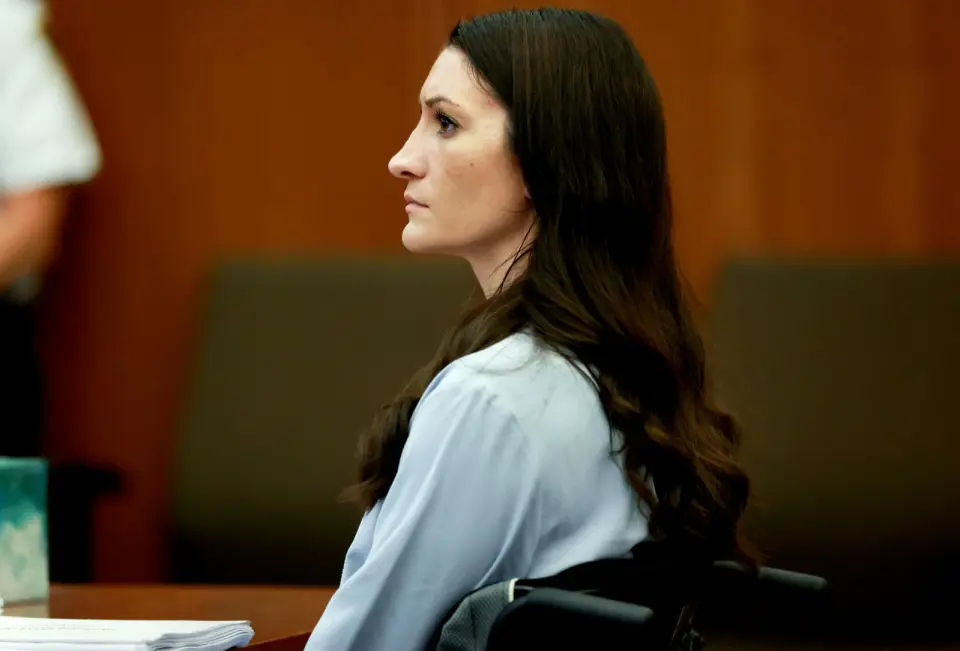
The trial of Lindsay Clancy, who is accused of killing her three children in January 2023, has intensified scrutiny on the diagnosis and treatment of postpartum psychosis. While the defense argues Clancy was incapacitated by this rare condition, prosecutors contend she acted with intent. Testimony reveals significant gaps in communication between healthcare providers and a lack of standardized diagnostic criteria, highlighting a broader crisis in maternal mental health support.
Key points
- Clancy is on trial in Plymouth, Massachusetts, for the deaths of her children, Cora, Dawson, and Callan, on January 24, 2023.
- Defense attorney Kevin Reddington argues Clancy suffered from postpartum psychosis and bipolar disorder, rendering her not criminally responsible.
- Prosecutors maintain Clancy deliberately planned the killings, citing evidence of her seeking help and being prescribed multiple medications.
- Testimony from nurse practitioner Rebecca Jollotta highlighted Clancy's distress and attempts to change medications due to side effects.
- Experts note postpartum psychosis is not listed in the DSM, leading to frequent misdiagnosis and delayed treatment.
- The condition affects 1-2 in 1,000 births, yet awareness and specialized care remain insufficient.
Background
This trial follows earlier coverage of Clancy’s complex medication history and the broader issue of maternal mental health gaps. It also aligns with recent legal developments in Massachusetts, such as the ordered retrial of Latarsha Sanders, which highlighted the importance of mental health records in criminal cases. Previous reports have emphasized the rapid onset and severe nature of postpartum psychosis, often leading to tragic outcomes when care is inadequate.
How outlets are covering it
WBUR emphasizes the systemic failure to recognize postpartum psychosis, citing experts like Dr. Susan Hatters Friedman and Dr. Veerle Bergink who note the condition is 'massively missed' due to its absence in the DSM. ABC News focuses on the specific testimony of nurse practitioner Rebecca Jollotta, highlighting Clancy's expressed fears and the lack of communication between her providers. NBC Boston provides a live update on the trial's progress, noting the prosecution's focus on Clancy's medication history and the defense's argument of non-criminal responsibility. The Patriot Ledger offers visual evidence of the trial's intensity, including Clancy's emotional reactions and the presentation of physical evidence. While all sources agree on the severity of the case, they differ in emphasis: WBUR and ABC News focus on the medical and systemic failures, while NBC Boston and the Patriot Ledger provide more procedural and visual details of the trial.
Why it matters
The Clancy trial serves as a stark reminder of the critical need for improved recognition, diagnosis, and treatment of postpartum psychosis. It underscores the dangers of fragmented healthcare systems and the lack of standardized protocols for maternal mental health. The case has sparked national conversation about the need for better training for healthcare providers and more accessible support systems for mothers experiencing mental health crises. It also highlights the legal and ethical complexities of holding individuals criminally responsible when they are suffering from severe, often misdiagnosed, mental health conditions.
What to watch
The trial is expected to continue with further testimony from healthcare providers and experts. The jury will need to weigh the evidence of Clancy's mental state against the prosecution's argument of intent. The outcome of the trial could have significant implications for how postpartum psychosis is diagnosed and treated in the future, potentially leading to changes in medical guidelines and increased funding for maternal mental health programs. The case may also influence public policy regarding the integration of mental health care into postpartum services.
- Clancy trial highlights postpartum psychosis and barriers to care for mothers WBUR
- Doctors from state medical examiner’s office testify about injuries to Lindsay Clancy’s children The Boston Globe
- 'I feel like I'm going to die': Nurse practitioner testifies about Lindsay Clancy messages ABC News - Breaking News, Latest News and Videos
- Lindsay Clancy trial recap: Prosecution theory discussed, emotional autopsy testimony NBC Boston
- Clancy murder trial Day 12 of testimony: Photos from court The Patriot Ledger
Want the full story? Read the original reporting
Read on WBUR