
San Juan River breaches 1911 record in Pagosa Springs as Southwest faces historic deluge
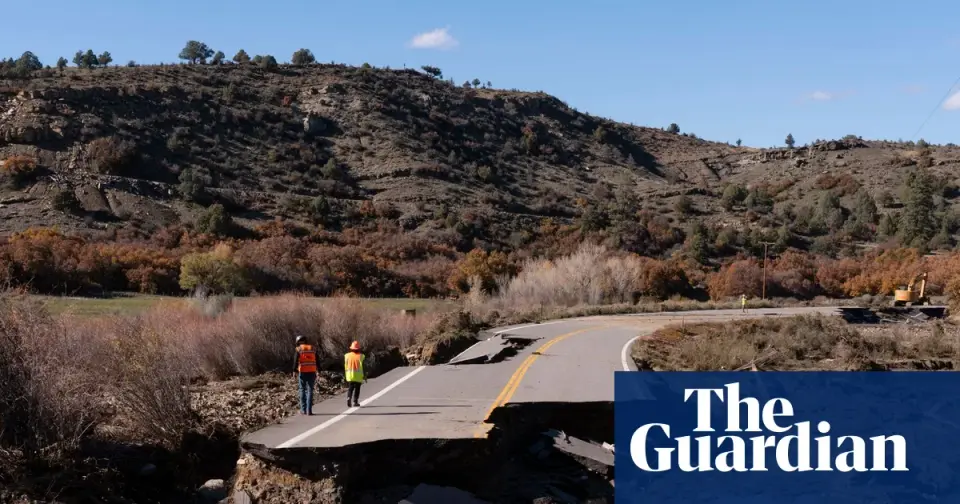
Record-breaking rainfall has triggered catastrophic flooding across the US Southwest, with the San Juan River in Pagosa Springs, Colorado, cresting at 22 feet to surpass the 1911 record. Mandatory evacuations and road closures have affected parts of Colorado, New Mexico, and Arizona, where officials describe receiving months of rain in days. The Colorado Secretary of State has adjusted voting protocols for affected residents, while infrastructure damage and power outages persist across the region.
Key points
- The San Juan River in Pagosa Springs reached a historic 22-foot crest, exceeding the 17.8-foot level of the 1911 flood that destroyed much of the town.
- Mandatory evacuations were ordered in Pagosa Springs, La Plata County, and parts of New Mexico and Arizona, including the total evacuation of Gisela, Arizona.
- Heavy rains caused flash flooding, swift-water rescues, and the closure of major highways, including US Highway 160 and Wolf Creek Pass.
- The Colorado Secretary of State established alternative voting plans for Pagosa Springs residents, allowing mail ballots to be returned to any state drop box by Election Day.
- Power outages affected hundreds of customers in Durango and surrounding areas, while cellular service was disrupted in Archuleta County.
Background
This event follows a period of severe weather in the Four Corners region, where historic flooding in late October 2026 left New Mexico and Colorado dealing with sewage contamination and infrastructure damage. The current storm system, fueled by Pacific storm systems, has intensified the crisis, with meteorologists noting that unusually warm temperatures are contributing to liquid precipitation at high elevations, increasing runoff. The region had recently begun recovery efforts from the previous week's flooding when this new system arrived.
How outlets are covering it
The Guardian emphasizes the historic nature of the flood in Pagosa Springs, highlighting the comparison to the 1911 disaster and the potential for catastrophic damage. AP News focuses on the broader regional impact, including the adjustment of Election Day voting plans and the receding of some rivers while others continue to rise. The Durango Herald provides granular details on local evacuations, road closures, and power outages in La Plata and Archuleta counties, noting that the ground saturation from previous rains has exacerbated the current flooding. All sources agree on the severity of the rainfall, with Arizona meteorologists describing the event as equivalent to months of rain in a few days.
Why it matters
The flooding has disrupted critical infrastructure, including roads, power, and communication services, affecting thousands of residents and businesses. The adjustment of voting protocols highlights the intersection of natural disasters with civic duties, ensuring that residents can still participate in elections despite the crisis. The event underscores the increasing frequency and intensity of extreme weather events in arid regions, posing long-term challenges for recovery and resilience.
What to watch
Authorities expect the rain to taper off by Monday, with some rivers beginning to recede. However, flood warnings remain in effect for parts of Arizona, Utah, and New Mexico. Cleanup efforts will focus on repairing damaged roads, restoring power, and assessing property damage. The Colorado Secretary of State will monitor the return of mail ballots from affected areas, while local governments will continue to support evacuees and manage infrastructure repairs.
- Colorado town braces for historic flood as heavy rains batter south-west The Guardian
- Floodwaters swamp the Southwest, forcing evacuations and altering some Election Day voting AP News
- Heavy rainfall prompts evacuations, road closures across Southwest Colorado Durango Herald
- 'Catastrophic' rain hits Southwest states, thanks to El Niño USA Today
- Pineapple express brought flooding, landslides to Southwest The Weather Channel
Want the full story? Read the original reporting
Read on The Guardian