Tag

Heart Health

All articles tagged with #heart health

Avocado–Mango Duo Linked to Better Artery Health in 8 Weeks
health20 hours ago

Avocado–Mango Duo Linked to Better Artery Health in 8 Weeks

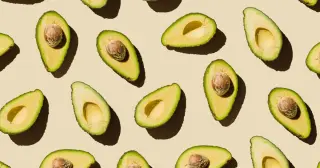
A Illinois study of 82 prediabetic adults found that adding one cup avocado and one cup mango to the diet for eight weeks improved vascular function, increasing flow-mediated dilation by 6.7% and lowering diastolic blood pressure in men, while controls saw declines. The benefits are attributed to fiber, vitamin C and unsaturated fats in the fruits. No changes in weight or total calories were observed. Limitations include a small sample size and short duration; results support fruit-based strategies for heart health but require more research.

Wine Every Day: Experts Say It’s Not a Health Hack
health1 day ago

Wine Every Day: Experts Say It’s Not a Health Hack

Health experts say drinking wine daily isn’t a health strategy: while wine contains polyphenols, there’s no proven heart benefit and all alcohol carries cancer risk; the CDC defines moderate drinking as up to two drinks a day for men and one for women (5-ounce servings), but no safe amount has been established and even small intakes can raise breast cancer risk in women. If you enjoy wine, limit consumption and consider getting polyphenols from whole grapes instead, since less is generally better for health.

Consistent Bedtimes Could Shield Your Heart, New Study Suggests
health2 days ago

Consistent Bedtimes Could Shield Your Heart, New Study Suggests

A Finnish study of 3,321 adults finds that irregular bedtimes significantly raise the risk of major cardiovascular events, especially in those sleeping under eight hours, likely due to circadian disruption. The researchers urge maintaining a consistent wake and bedtime, limit evening caffeine/alcohol, and screen exposure to support heart health.

Tiny sleep, small exercise shifts yield big heart-health benefits
heart-health15 days ago

Tiny sleep, small exercise shifts yield big heart-health benefits

Analyzing 53,000 UK Biobank participants over 8 years, researchers found that adding 11 minutes of sleep, 5 minutes of daily activity, and a small veggie boost lowers major cardiovascular-event risk by about 10%; those with optimal habits (8–9 hours sleep, ~42 minutes daily moderate-to-vigorous activity, and a better diet) had 57% lower risk. The study is observational, so it can’t prove causation, but suggests small, sustainable lifestyle tweaks can meaningfully improve heart health.

One Apple a Day: What a Dietitian Says About Its Health Perks
nutrition15 days ago

One Apple a Day: What a Dietitian Says About Its Health Perks

An apple a day can be a healthy habit thanks to fiber, vitamin C, and antioxidants that support heart, immune, and gut health. A medium apple (~96 calories, 23 g carbs, 4 g fiber) counts as about 1 cup of fruit toward daily targets (CDC recommends 1.5–2 cups). Wash thoroughly to reduce pesticide exposure, and those with IBS or sensitive stomachs may experience mild discomfort from fiber or natural sugars if overdone. Variety matters, so enjoy apples daily but don’t rely on them as the sole fruit.

Eating an Avocado Every Day: A Dietitian's Balanced Verdict
health17 days ago

Eating an Avocado Every Day: A Dietitian's Balanced Verdict

Daily avocado can be a healthy addition for many adults, delivering heart-healthy fats, fiber, potassium, and other nutrients. A serving is about 1/3 of a medium avocado, with a whole fruit around 240 calories, so portion size matters within your overall calorie budget. The key message is that diet quality and variety matter more than any single “superfood”—avocados should be enjoyed as part of a balanced, varied plate rather than as the sole fruit or fix for health.

Heart protection from GLP-1 drugs fades quickly after stopping, study finds
health17 days ago

Heart protection from GLP-1 drugs fades quickly after stopping, study finds

A Washington University study of more than 333,000 U.S. veterans with type 2 diabetes found that continuous GLP-1 therapy reduced cardiovascular risk by about 18% after three years; stopping the medication for six months raised risk by 4%, after one year by 14%, and after two years by 22%, with restarting yielding only partial protection, highlighting the importance of long‑term use and accompanying lifestyle changes.

Marathons and the Heart: Doctors Outline Benefits, Risks, and Safe Training
health18 days ago

Marathons and the Heart: Doctors Outline Benefits, Risks, and Safe Training

Running is generally heart‑healthy and linked to longevity, but high‑volume endurance can transiently elevate cardiac biomarkers and, rarely, trigger emergencies—especially in people with undiagnosed heart conditions. Safety hinges on medical screening, symptom awareness, and individualized plans: watch for chest pain or fainting, consider baseline tests and anemia checks for women. A balanced training approach (roughly four cardio days and two strength days) with proper recovery and Mediterranean-style nutrition supports heart health. While atrial fibrillation and other rare issues can occur, the overall message is that marathons are not inherently dangerous when risk is understood and training is smart.

Tiny daily tweaks could curb heart attack risk, study finds
health18 days ago

Tiny daily tweaks could curb heart attack risk, study finds

A UK Biobank study of more than 53,000 middle‑aged adults found that small daily changes—about 11 extra minutes of sleep, 4.5 minutes of brisk walking and roughly 50g more vegetables—could reduce major cardiovascular events by around 10% over eight years. When combined with eight to nine hours of sleep and about 42 minutes of moderate‑to‑vigorous activity daily, the risk of heart attacks and strokes drops by up to 57%.

Small daily tweaks dramatically cut heart attack risk, study finds
health18 days ago

Small daily tweaks dramatically cut heart attack risk, study finds

A UK study of more than 53,000 middle-aged adults shows that tiny lifestyle changes - adding 4.5 minutes of brisk walking, 11 extra minutes of sleep per night, and an extra quarter cup of vegetables - can substantially lower cardiovascular events; when combined, these changes reduce the risk of heart attack and stroke by about 57% over eight years, with eight to nine hours of sleep, at least 42 minutes daily of moderate-to-vigorous activity, and a healthy diet forming the optimal mix.

Halting GLP-1 Meds Erases Cardiovascular Gains
heart-health20 days ago

Halting GLP-1 Meds Erases Cardiovascular Gains

A BMJ Medicine study of 333,687 veterans shows that stopping GLP-1 therapies (like Ozempic and Wegovy) reverses their cardiovascular benefits quickly: even a 6‑month lapse raises the risk of heart attack and stroke, and longer interruptions erode protection further. Continuous GLP-1 use was linked to fewer major cardiovascular events, while stopping can also lead to weight regain and withdrawal symptoms; tapering off with medical guidance and maintaining a healthy lifestyle is advised, underscoring that GLP-1 benefits are long‑term risk‑reduction rather than a quick fix.

New AHA Guidelines Push Early Heart-Health Habits for 20s and 30s
health23 days ago

New AHA Guidelines Push Early Heart-Health Habits for 20s and 30s

The American Heart Association now says adults aged 20–40 should start heart-disease prevention now: monitor blood pressure, cholesterol, and blood sugar; consider a one-time lipoprotein(a) test; eat a diet rich in fruits and vegetables with limited saturated fats; aim for 2.5 hours of moderate exercise per week plus strength training, and some higher-risk individuals may need medication earlier to prevent heart disease and stroke.