
New World Screwworm Returns to US Southwest, Triggering Quarantines and New Tracking Tools
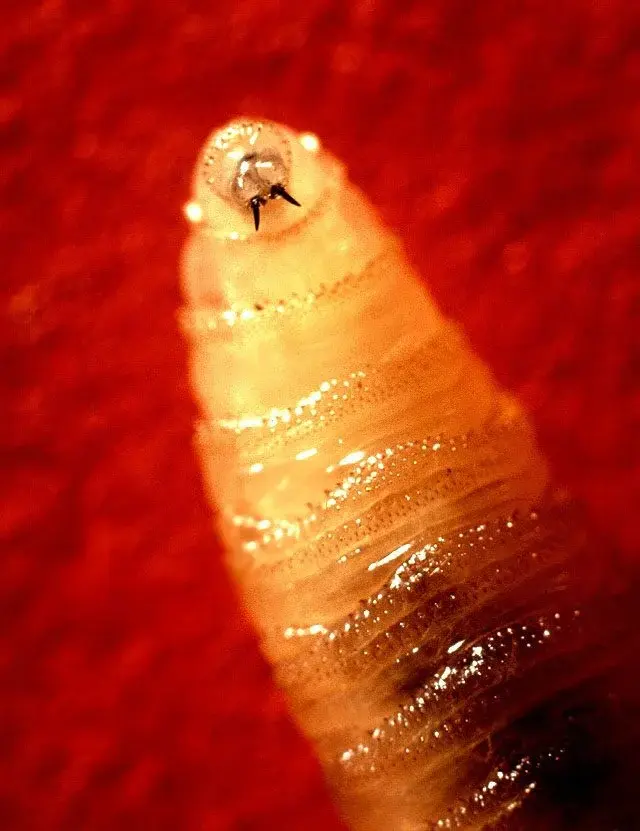
The New World screwworm, a parasitic fly that feeds on living tissue, has re-established itself in the United States after decades of absence. Confirmed cases in Texas and New Mexico have prompted strict animal movement restrictions and the development of new surveillance dashboards to monitor the spread.
Key points
- The New World screwworm (Cochliomyia hominivorax) has been confirmed in Texas and New Mexico, marking its return to the US after eradication in the 1950s.
- A case in a horse in Grant County, New Mexico, led to a 12.4-mile quarantine zone around Mimbres, restricting the movement of warm-blooded animals.
- Researchers at UCSD and the County of San Diego Health and Human Services Agency created a dashboard to track risk by combining confirmed detections, environmental data, and media reports.
- The USDA is leading a new eradication campaign using sterile insect releases, pesticides, and quarantines, while seeking approval for a genetically modified all-male strain.
- Signs of infestation include non-healing wounds, visible larvae, swelling, and foul odors; any suspected cases must be reported to local authorities or veterinarians.
Background
The New World screwworm was previously eradicated from the US in the 1950s using a sterile insect technique that involved releasing radiation-sterilized male flies to prevent reproduction. This campaign, which cost an estimated $50-100 million annually in livestock damage before its success, relied on surveillance networks and movement restrictions. The current resurgence is distinct from recent Vibrio vulnificus infections in the Gulf Coast, which are bacterial and linked to warm coastal waters, whereas the screwworm is a parasitic fly affecting warm-blooded animals across broader regions.
How outlets are covering it
Discover Wildlife emphasizes the biological threat to humans and the innovative use of media reports in the new tracking dashboard to speed up detection. The Silver City Daily Press focuses on the immediate regulatory impact, detailing the specific quarantine zones in New Mexico and the restrictions on animal movement. While the Yahoo source was inaccessible due to technical errors, the available sources agree on the confirmed presence of the parasite in the US and the urgency of the response, though they differ in focus: one on technological solutions for surveillance, the other on local enforcement and public health protocols.
Why it matters
The return of the screwworm poses a significant risk to livestock, pets, and wildlife, potentially causing severe economic damage and health issues. The new tracking tools and eradication efforts are critical to preventing the parasite from spreading further into the US, where it could re-establish a permanent presence and threaten public health and agricultural stability.
What to watch
The USDA and EPA are testing a genetically modified all-male strain of the screwworm for potential release. Public health officials in California and other states are expected to expand surveillance and monitoring efforts, with the goal of making the risk-tracking dashboard accessible to the general public in the future.
- “They burrow their way into open wounds and bodily openings, such as the ears, laying hundreds of eggs." Human flesh-eating parasite returns to the US BBC Wildlife Magazine
- A flesh-eating parasite once eradicated in the US is back yahoo.com
- Mimbres quarantined after screwworm case Silver City Daily Press
- Screwworm infests US horse before port reopens to Mexican livestock Reuters
- Screwworm Reappears in New Mexico Ahead of Port Reopening bloomberg.com
Want the full story? Read the original reporting
Read on BBC Wildlife Magazine