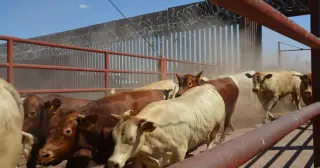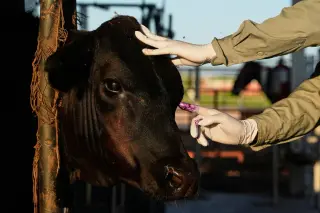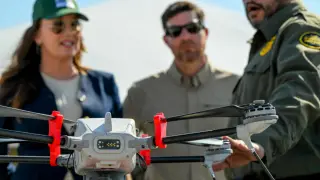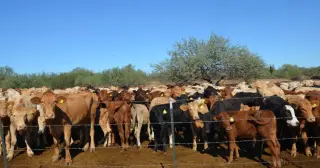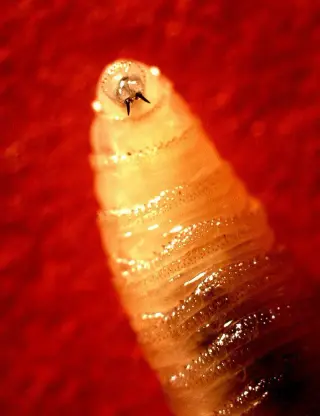
The United States plans to combat a flesh-eating screwworm outbreak in the southern states using flies and detection dogs, marking its first appearance in the country since 1966 (as of June 6, 2026).
The New World screwworm has reappeared in the United States and targets living tissue in livestock, but public health officials say it does not threaten food safety—meat is still considered safe thanks to veterinary care and strict inspection; the bigger impact is economic, with potential billions in damage to the southwestern US and potential higher beef prices, since infestations affect livestock health and supply rather than the safety or quality of meat already in the food chain.
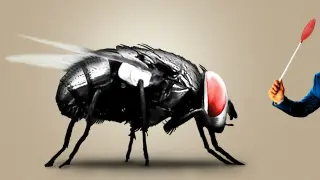
The piece recounts how the U.S. defeated screwworms in 1966 via the Sterile Insect Technique—mass-releasing sterile flies developed by Edward Knipling and Raymond Bushland—after decades of outbreaks and early missteps, including Florida and Southwest eradication efforts and cross-border cooperation with Mexico; it warns that today’s re-emergence demands large-scale, preventative action and renewed funding for monitoring to avoid repeating past economic and agricultural losses.
Texas faces a potential surge in shelter euthanizations as the New World screwworm prompts quarantines across 13 counties; agencies, shelters, and rescue groups are coordinating inspections and treatment to slow the spread, while rural shelters fear overcrowding could force thousands of animals to be euthanized if movement is blocked and public reporting is encouraged to protect animals and public health.
US screwworm cases rise to 12 across Texas and New Mexico as the parasite spreads beyond initial zones, affecting cattle, goats, sheep and a dog; USDA is releasing millions of sterile flies and deploying the Screwworm Adult Suppression System (Swass) to curb spread, while Pennsylvania imposes import quarantines; officials say the food supply remains safe but the beef industry could be impacted if containment fails.
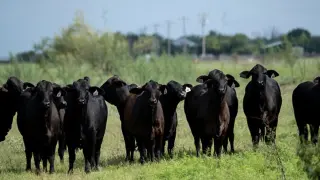
Texas’ beef industry faces a multi-front squeeze: the screwworm outbreak raises containment costs and risk to herds, while drought, wildfires and inflation push up inputs and logistics costs; together with tariffs and a consolidating meat-packing sector, ranchers, processors and barbecue joints are seeing higher costs and shrinking margins even as beef prices remain elevated.
The USDA is preparing a $1 billion-plus program to eradicate screwworms in the United States after the first U.S. case surfaced in Texas, with 12 confirmed cases mostly among cattle. Beef prices are already high amid a drought-depleted herd, and the outbreak could worsen prices. Politically, Trump officials fault the Biden administration and immigration policy for the spread, while Democrats tie funding cuts to the response; if more detections occur, the pest could become a broader political risk for Trump and the GOP.
Federal officials confirmed two additional New World screwworm cases in Texas, bringing the state's total to eight and the nationwide count to nine, as authorities monitor the outbreak and its impact on livestock and agriculture.
The CDC activated an emergency plan for potential human exposure to New World screwworm as four calves in Texas and a dog in New Mexico test positive, with the USDA leading the animal response. Critics say funding cuts weaken surveillance and preparedness across federal health agencies, while officials defend ongoing efforts and a growing consensus that early detection and rapid response are far cheaper than large outbreaks. Experts warn that future threats may stem from climate change and increased travel, underscoring the need for robust surveillance and readiness.
A revived New World screwworm has been found in the US (Texas and New Mexico) after decades of eradication, with researchers tracing its comeback to illegal Central American cattle trafficking; the outbreak threatens billions in beef losses, has involved a dog case in New Mexico, and has spurred discussions on control methods including sterile fly releases and the controversial SWASS tool, underscoring the need for cross-border action to halt the pest at its source.
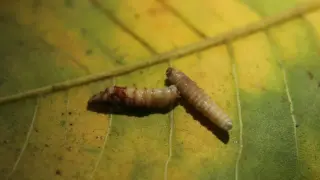
Seven New World screwworm cases have been confirmed in the region, including a Texas dog, prompting containment efforts and warnings for pet owners. The parasite can infest any warm-blooded animal through open wounds or natural openings, causing pain and tissue damage; early vet treatment—larvae removal followed by larvicides/insecticides—yields the best outcomes. Daily wound checks, fly control, and quick veterinary contact are key to protecting pets, especially near the border or during travel; while not highly contagious between pets, households with multiple animals should monitor all wounds and report sightings of wildlife or stray animals.
U.S. Sen. Roger Marshall blamed President Biden for a screwworm outbreak in U.S. livestock, arguing immigration contributed to the parasite’s spread and praising Trump’s efforts to combat it; the piece notes ongoing USDA/APHIS monitoring and sterile-fly releases, plus a May ban on live cattle shipments from Mexico that affects about 1 million head annually.
The USDA confirms three additional New World screwworm cases, including one in New Mexico, signaling the parasite’s spread beyond Texas. Authorities have quarantines around affected areas and are ramping up sterile‑male fly releases as part of a long‑term program to halt the outbreak, while researchers seek faster sterile‑fly production and a potential Texas fly factory. Beef prices remain steady for now, but the parasite threatens the U.S. cattle industry if containment fails.
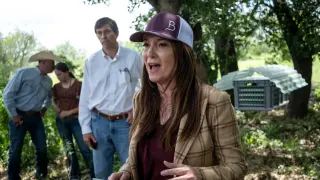
A screwworm outbreak in southwest Texas hits ranchers in the vacant 23rd District after Rep. Tony Gonzales resigns; with Gov. Greg Abbott yet to schedule a special election, Republican Brandon Herrera and Democrat Katy Padilla Stout are pressuring federal and state officials for rapid coordination and information while advocating faster progress on a sterile fly program to protect the cattle industry.
The U.S. Department of Agriculture publicly rebuked Texas Agriculture Commissioner Sid Miller after he suggested ranchers might avoid reporting New World screwworm infestations due to quarantine restrictions, as Texas logged five confirmed cases in less than a week and New Mexico reported a case. Federal officials emphasize that rapid reporting enables containment through quarantines, surveillance, sterile fly releases, and other tools; Miller advocates deploying SWASS in addition to sterile flies. Governor Abbott and Rollins stressed a coordinated response, and a new senior advisor for screwworm preparedness was named.