
RFK Jr. Pivots to AI and Data Aggregation, Igniting Backlash Over MAHA's Corporate Ties
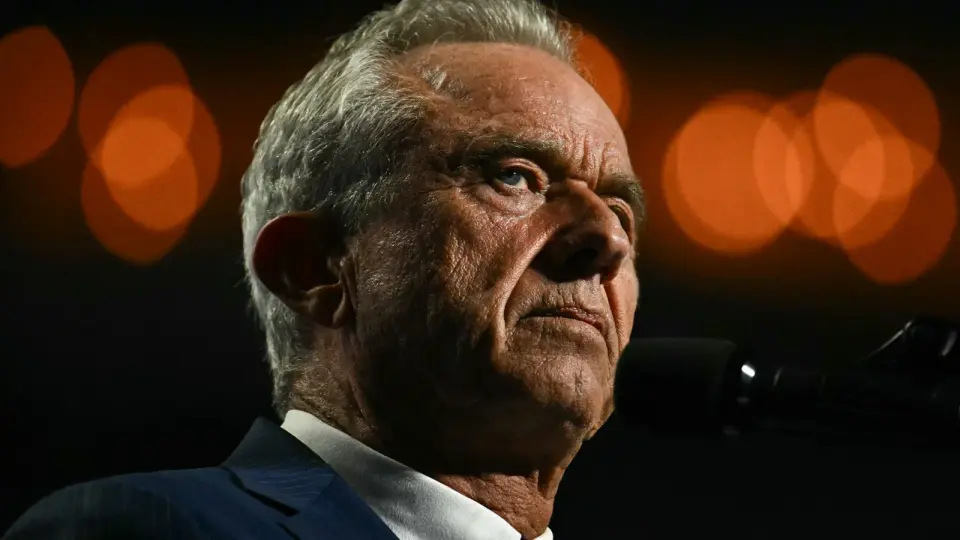
HHS Secretary Robert F. Kennedy Jr. has shifted the Make America Healthy Again (MAHA) agenda toward artificial intelligence and massive health data aggregation. Kennedy argues AI will liberate Americans from 'medical tyranny' by bypassing expert consensus, while also pushing to unlock federal and state health records for research into chronic diseases and vaccine safety. This pivot has drawn sharp criticism from MAHA allies who view the new corporate sponsorships as a betrayal of the movement's anti-industry stance.
Key points
- Kennedy claimed AI is 'better informed than any doctor' and will refute public health guidance on masks, social distancing, and vaccines, though Ars Technica testing of major chatbots showed they still support standard medical consensus.
- The administration is seeking to aggregate Medicaid, Medicare, and state health information exchange data to study links between vaccines, autism, and chronic disease, citing the need to break 'gatekeeper' restrictions on research access.
- MAHA events at the Waldorf Astoria were sponsored by OpenAI, Anthropic, and major insurers, with packages costing up to $300,000, prompting backlash from figures like Robert Malone who accuse the movement of building the 'revolving door' it previously opposed.
- Kennedy and MAHA Institute president Mark Gorton emphasized the Nebraska state-federal data partnership as a model for sharing patient records, despite privacy concerns and legal hurdles in other states regarding data governance.
Background
This shift follows earlier debates about AI's reliability, such as Quanta’s 2026 discussion on machine cognition, which warned against overreliance on AI benchmarks. Kennedy’s current strategy contrasts with his previous focus on lifestyle and drugmaker mistrust, instead leveraging AI to validate contrarian health views.
How outlets are covering it
Ars Technica highlights the contradiction between Kennedy’s claims and actual AI outputs, noting that chatbots affirmed the efficacy of masks and vaccines. The Guardian focuses on the expansive data collection vision and the controversial ties between MAHA and anti-vaccine activists like Mark Gorton. STAT emphasizes the technical and legal barriers to data sharing, noting that while Nebraska has partnered with the government, other states like Arizona refuse to share data without individual consent. Politico frames Kennedy’s AI praise as a positive spin on technology, contrasting it with public fears about AI risks.
Why it matters
The push to centralize health data and use AI for medical advice could fundamentally alter how Americans access medical information and how public health research is conducted. The controversy over corporate sponsorships threatens to fracture the MAHA coalition, potentially undermining its political influence while raising significant ethical questions about data privacy and the role of AI in healthcare decisions.
What to watch
The administration plans to expand data sharing models beyond Nebraska and continue using AI to process health records. However, resistance from state health information exchanges and privacy advocates may slow the rollout of these data-sharing initiatives. The backlash from MAHA allies could also force Kennedy to clarify the movement's stance on corporate partnerships.
- RFK Jr. thinks AI will free us from the "tyranny" of medical facts, expertise Ars Technica
- A.I. Is ‘Better Informed’ Than Doctors, Kennedy Tells Industry-Backed MAHA Summit The New York Times
- RFK Jr outlines expansive vision for collecting US health data at Maha event The Guardian
- A cure for ‘medical tyranny’: RFK Jr. puts a positive spin on AI Politico
- Why MAHA wants to make health data much more accessible STAT
Want the full story? Read the original reporting
Read on Ars Technica