
RFK Jr. Visits CDC One Year After Shooting, Balancing Praise with Skepticism
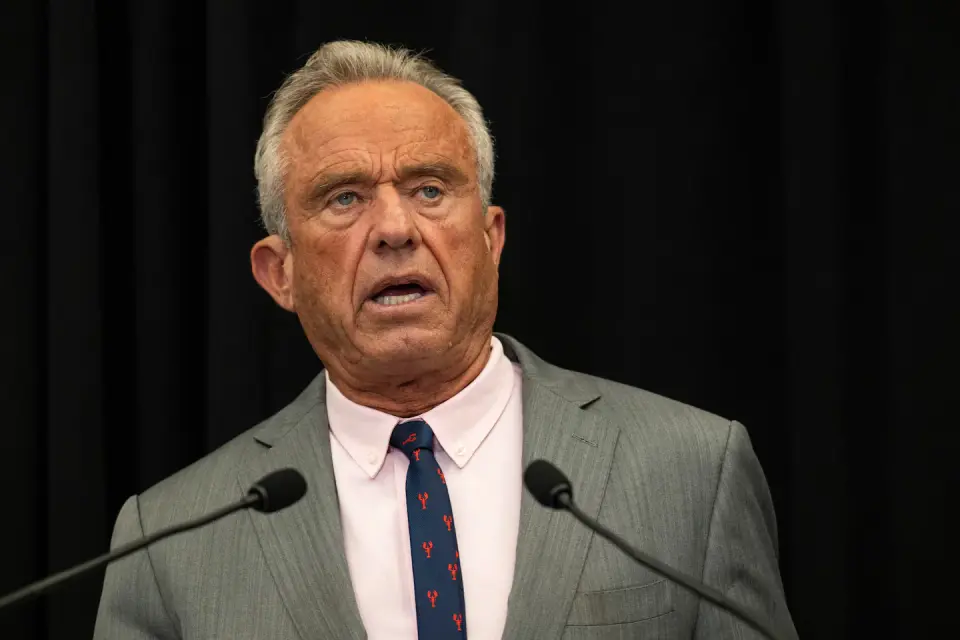
Health Secretary Robert F. Kennedy Jr. visited the Centers for Disease Control and Prevention in Atlanta on Friday, marking the one-year anniversary of a shooting that killed a police officer and traumatized staff. While Kennedy praised CDC scientists, he simultaneously urged greater skepticism toward scientific authorities. The visit occurred amid ongoing tensions, as some scientists noted his recent praise felt difficult to hear following his previous criticisms of the agency and the federal health department cuts that eliminated hundreds of positions last year.
Key points
- Kennedy visited the CDC in Atlanta on the eve of the first anniversary of a shooting that killed a police officer and terrorized the workforce.
- The health secretary praised the work of CDC scientists but also urged greater skepticism of scientific authorities.
- Some scientists present found Kennedy’s expressions of appreciation difficult to hear, citing his previous criticisms of the CDC and recent federal health department cuts that removed hundreds of positions.
- The visit highlights the complex relationship between the administration and public health agencies, particularly regarding data access and scientific trust.
Background
This visit follows a series of policy shifts under Kennedy’s leadership, including reshaping FDA advisory panels to favor peptide access despite safety concerns and facing criticism for slow responses to public health crises like the cyclospora outbreak. Earlier coverage noted that funding and staffing cuts at the FDA and CDC under the Trump era and RFK Jr. have hampered public-health responses, creating a backdrop of tension between the administration and scientific institutions.
Why it matters
The visit underscores the ongoing friction between the administration and public health agencies, particularly regarding the role of scientific authority and data access. Kennedy’s mixed message of praise and skepticism signals a potential shift in how the government engages with scientific institutions, which could impact public trust and the effectiveness of health policies. The anniversary of the shooting also serves as a reminder of the human cost of political tensions on public health infrastructure.
What to watch
The administration may continue to push for greater skepticism of scientific authorities while attempting to maintain relationships with public health agencies. Future visits or policy announcements could further clarify the administration’s stance on data access and scientific collaboration. The impact of recent cuts on CDC operations and public health responses will likely remain a focal point of debate.
- RFK Jr. questions scientists, access to data at CDC campus one year after shooting The Washington Post
- DeKalb officer killed in CDC shooting honored 1 year later FOX 5 Atlanta
- HHS Secretary Kennedy attends CDC event for anniversary of Atlanta shooting AJC.com
- RFK Jr. visits CDC to mark 1 year since shooting at the agency WSB-TV
- RFK Jr. Criticizes US Covid Response at CDC Shooting Memorial Bloomberg.com
Want the full story? Read the original reporting
Read on The Washington Post