
RFK Jr. pushes for AI-driven health data integration to investigate vaccine safety
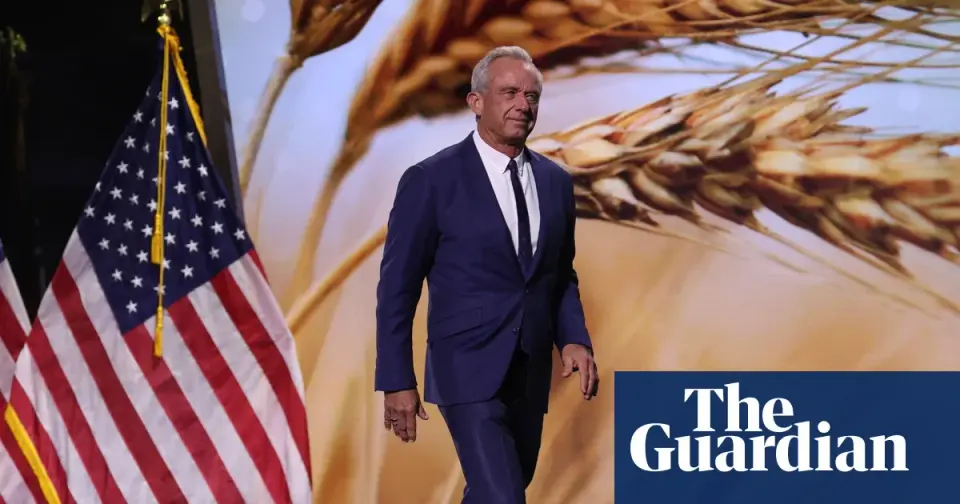
Health Secretary Robert F. Kennedy Jr. has proposed a major overhaul of US health data systems, advocating for the integration of medical records, insurance claims, and lifestyle data to be analyzed by artificial intelligence. Speaking at a Make America Healthy (MAHA) Institute event, Kennedy argued that current data silos prevent researchers from identifying links between environmental exposures, diet, and chronic diseases, including autism. He emphasized that AI could accelerate research from years to seconds, though he acknowledged that privacy concerns and existing data governance laws, such as those in Arizona, currently restrict access to such comprehensive datasets.
Key points
- Kennedy proposed aggregating data from the FDA, CDC, and CMS, including Medicaid and Medicare records, to create a unified health database accessible to external researchers.
- The administration is using AI to analyze data for potential links between vaccines, aluminum adjuvants, and health outcomes like autism, a move Kennedy described as necessary to combat 'medical tyranny.'
- Kennedy criticized the CDC's Vaccine Safety Datalink (VSD) as an 'unworkable system' that previously blocked independent researchers, such as the Geier brothers, from accessing data in the early 2000s.
- The MAHA Institute, led by Mark Gorton, has received $4m in funding from Kennedy through various foundations, raising questions about the independence of the research agenda.
- While Kennedy touted AI's potential, he noted that state-level data remains fragmented, with some states like Arizona requiring individual consent for research use, complicating the federal government's data-sharing goals.
Background
This push for data integration follows a period of internal conflict within the MAHA movement regarding its corporate sponsors and grassroots goals. It also comes after recent disputes over measles death counts in Pennsylvania, where Kennedy and the CDC challenged state-level reporting, highlighting the administration's broader effort to control and reinterpret public health data.
How outlets are covering it
The Guardian and STAT highlight the tension between Kennedy's desire for open data and the privacy concerns raised by experts like Jonathan Ketcham and Andrew Kress, who note that data governance and legal barriers, not just technical ones, prevent such integration. Politico emphasizes Kennedy's framing of AI as a tool to liberate Americans from 'medical tyranny' and expert gatekeeping, while KOMO focuses on his prediction that AI will fundamentally transform medicine. The outlets agree on the scale of the data Kennedy wants to access but differ in their emphasis on the privacy implications versus the political rhetoric surrounding AI.
Why it matters
The proposed integration of health data could lead to significant changes in how vaccine safety and chronic disease research are conducted in the US. If successful, it could provide new evidence on the links between vaccines and autism, a topic that has been highly controversial. However, it also raises serious concerns about patient privacy and the potential for politicized research, as the administration seeks to bypass traditional data governance structures.
What to watch
The administration is expected to continue its efforts to standardize health data and expand AI use in research. The success of the Nebraska model, which shares data with the federal government, may influence other states to follow suit, though legal and privacy hurdles remain significant. The coming months will likely see more debates over the balance between data accessibility and patient privacy.
- RFK Jr outlines expansive vision for collecting US health data at Maha event The Guardian
- A.I. Is ‘Better Informed’ Than Doctors, Kennedy Tells Industry-Backed MAHA Summit The New York Times
- Why MAHA wants to make health data much more accessible STAT
- A cure for ‘medical tyranny’: RFK Jr. puts a positive spin on AI Politico
- RFK on MAHA health and future of HHS at Summit KOMO
Want the full story? Read the original reporting
Read on The Guardian