
Medical Experts Warn President's Recent Weight Gain Poses Serious Health Risks
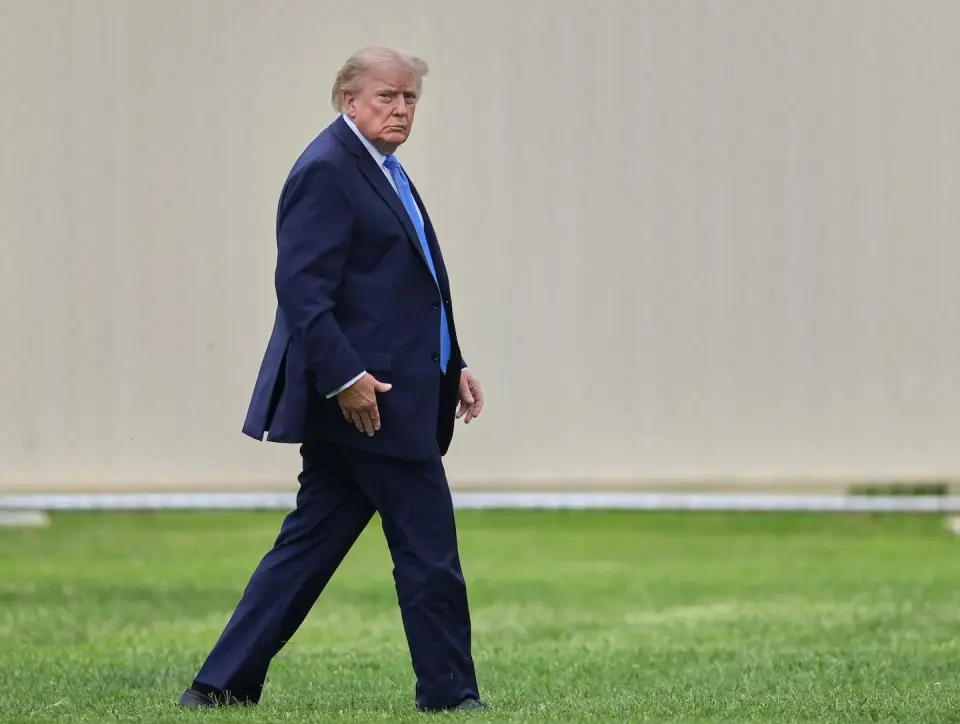
Medical experts have raised concerns about President Donald Trump's recent weight gain, noting that he has added approximately 23 pounds since his last campaign. This increase, which brings his weight to around 238 pounds, has prompted warnings about potential health risks, including cardiovascular issues. While the White House maintains that the president remains energetic and cognitively fit, doctors emphasize the importance of diet and exercise for long-term health.
Key points
- President Trump has gained approximately 23 pounds since his last campaign, reaching a weight of 238 pounds.
- Medical experts have expressed concern that this weight gain poses significant health risks, including cardiovascular problems.
- The White House has defended the president's health, highlighting his energy and cognitive fitness.
- Doctors have recommended diet and exercise as essential for managing weight and reducing health risks.
- The weight gain has been noted in recent photos and statements from the president and his aides.
Background
This development follows earlier reports on the importance of managing modifiable risk factors for heart disease, such as blood pressure and weight. Previous coverage highlighted the role of lifestyle changes, including diet and exercise, in reducing cardiovascular risks. Additionally, discussions around weight loss therapies and their impact on muscle mass have underscored the importance of maintaining lean mass during weight management.
Why it matters
The health of the president is a matter of public interest, as it can impact his ability to perform his duties. Concerns about weight gain and potential health risks highlight the broader importance of preventive health measures and the role of lifestyle choices in managing chronic conditions. This case also underscores the need for transparency and accountability regarding the health of public figures.
What to watch
Medical experts may continue to monitor the president's health and provide recommendations for diet and exercise. The White House may respond to these concerns by emphasizing the president's fitness and energy levels. Public discourse may focus on the importance of preventive health measures and the role of lifestyle choices in managing health risks.
Want the full story? Read the original reporting
Read on The Washington Post