
US Prepares Broad Sanctions to Freeze ICC Operations
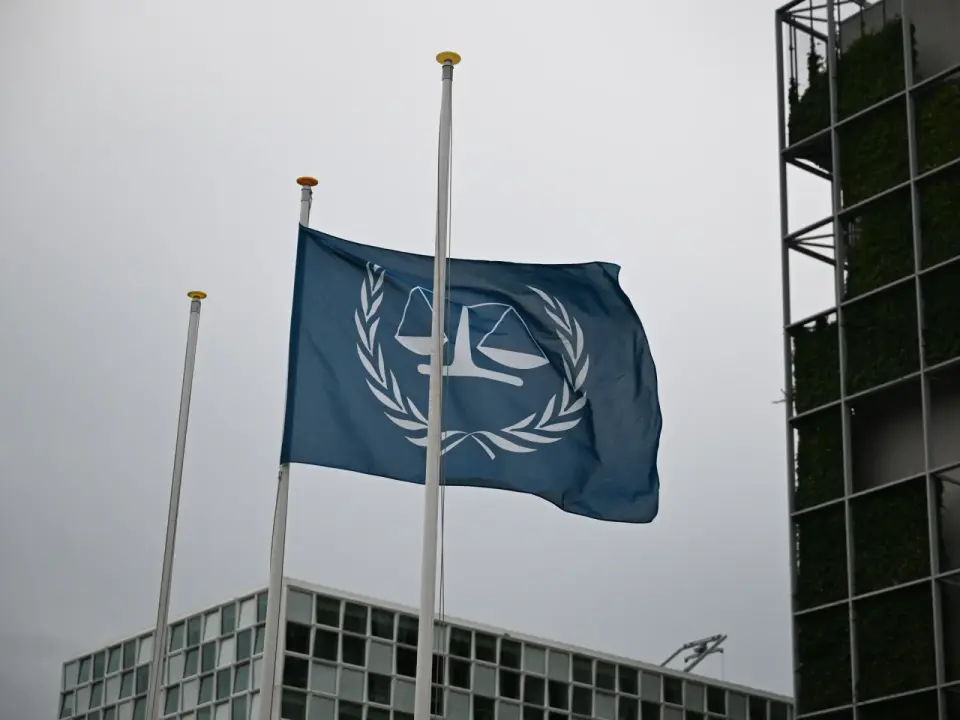
The Trump administration is preparing comprehensive sanctions against the International Criminal Court (ICC) that would restrict US entities from providing funds, goods, or services to the tribunal. These measures, potentially announced during the UN General Assembly, represent a significant escalation beyond previous targeted sanctions on individual judges and prosecutors. The move aims to disrupt the court's financial stability and operational capabilities, including IT services and investigator hiring, while Washington continues to argue the ICC exceeds its authority by investigating non-member states.
Key points
- The US plans to prohibit most transactions with the ICC after a six-to-seven-month grace period, requiring US Treasury licenses for any remaining interactions.
- The sanctions target the institution itself rather than specific individuals, potentially disrupting payments, insurance, IT services, and the hiring of investigators.
- The decision may be finalized during the current UN General Assembly session in New York or shortly thereafter.
- This follows earlier targeted sanctions on ICC President Tomoko Akane and senior trial lawyer Abdoulaye Seye, which took effect in September.
- The US has not joined the ICC and argues the court lacks jurisdiction over non-member states, citing investigations into Israel and Afghanistan as evidence of overreach.
Background
This development follows a series of escalating actions by the Trump administration against the ICC since early 2026. In February 2025, President Trump signed an executive order sanctioning more than a dozen ICC judges and prosecutors. In August 2026, the administration added ICC President Tomoko Akane and senior trial lawyer Abdoulaye Seye to the sanctions list. Secretary of State Marco Rubio previously urged other nations to withdraw from the court, a move recently followed by Chad, Venezuela, Burkina Faso, Mali, and Niger. The tensions were further exacerbated by the ICC issuing arrest warrants in November 2024 for Israeli leaders over alleged war crimes in Gaza, which the US and Israel reject due to their non-membership in the court.
Why it matters
The potential imposition of broad sanctions against the ICC could severely undermine the court's ability to function, including its capacity to conduct investigations and pay staff. This move signals a shift from targeting individuals to attempting to cripple the institution's financial and operational infrastructure. It also reflects a broader trend of US opposition to international legal mechanisms it views as biased or overreaching, potentially influencing other nations to reconsider their participation in the court.
What to watch
The Trump administration is expected to announce the sanctions soon, possibly during the UN General Assembly. If implemented, the measures will take effect after a six-to-seven-month grace period. Four US-based rights groups have already sued the administration, arguing that existing sanctions obstruct their legal and human rights work. The ICC has warned that such measures could interfere with routine operations, including the purchase of IT services and insurance.
- Trump administration readies sweeping sanctions against ICC, reports say Al Jazeera
- Exclusive | Trump Ramps Up Bid to Dismantle International Criminal Court WSJ
- Trump administration prepares sanctions against International Criminal Court, sources say Reuters
- US prepares sanctions against the ICC: sources South China Morning Post
- Live updates • Report: Trump admin preparing sweeping sanctions on International Criminal Court haaretz.com
Want the full story? Read the original reporting
Read on Al Jazeera