
Maduro invokes sovereign immunity to block 2027 U.S. drug trial
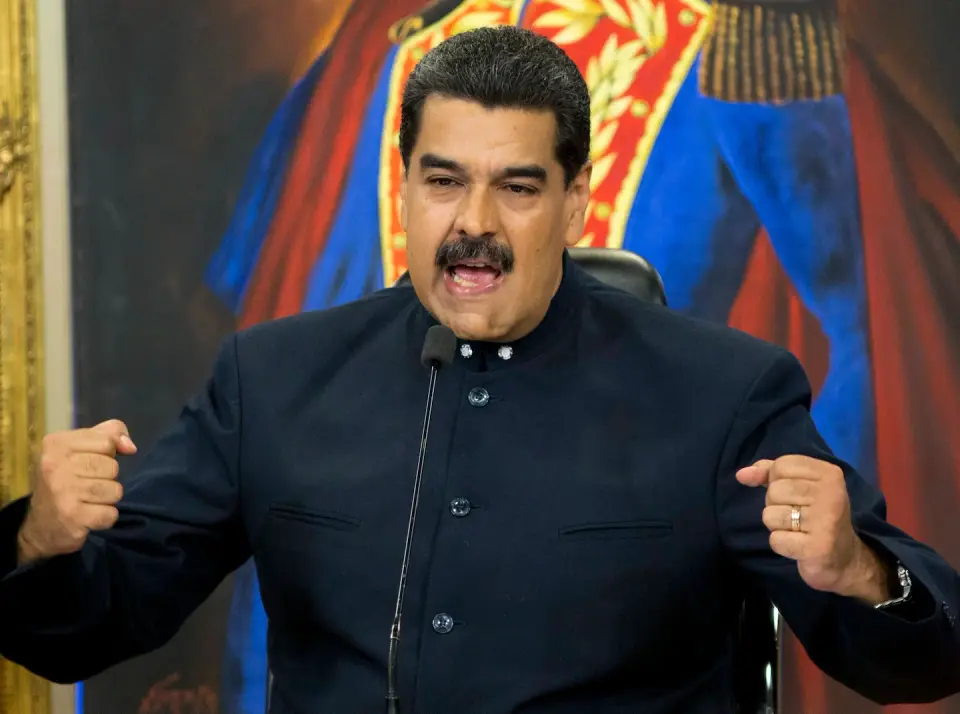
Former Venezuelan President Nicolás Maduro and his wife, Cilia Flores, have filed a motion to dismiss federal drug trafficking charges, arguing they possess sovereign immunity as the head of state and first lady of a recognized foreign government. The defense contends that U.S. courts lack jurisdiction over a sitting head of state and that the alleged actions were official state duties. While prosecutors maintain the charges are valid, legal experts note that the U.S. government has not recognized Maduro as legitimate since 2019, creating a significant legal hurdle for the defense. The case, which stems from a January 2026 military capture in Caracas, is scheduled for trial in June 2027 if the dismissal motion fails.
Key points
- Maduro’s legal team, led by Barry Pollack, argues that no U.S. court has ever tried a foreign head of state recognized by their own country, citing a longstanding international law principle of absolute immunity.
- The defense claims the indictment violates due process because it fails to establish that the alleged crimes were aimed at the U.S. or occurred within its jurisdiction, as required by the narco-terrorism statute.
- U.S. prosecutors argue that the 2019 decision to stop recognizing Maduro as president negates his claim to immunity, a stance supported by the precedent of the 1990 Manuel Noriega case.
- Maduro and Flores were seized in a January 2026 military operation in Caracas and have been held in a Brooklyn jail; they face potential life sentences if convicted of cocaine importation and conspiracy.
- Judge Alvin K. Hellerstein has set a November 17 hearing for oral arguments on the dismissal motion, with prosecutors required to file a response by October 2.
Background
This legal challenge follows the January 2026 U.S. military operation that captured Maduro and Flores in Caracas. The couple has been detained in New York since then, with their trial previously scheduled for June 1, 2027. The case has drawn comparisons to the 1990 prosecution of Panamanian leader Manuel Noriega, where a federal judge rejected immunity claims because Noriega did not hold the official title of president. The current dispute highlights the tension between U.S. foreign policy recognition and international law principles regarding sovereign immunity.
How outlets are covering it
The Washington Post emphasizes the unprecedented nature of prosecuting a foreign head of state and notes that the defense’s bid faces long odds. Fox News highlights the specific legal arguments regarding the narco-terrorism statute’s jurisdictional limits and the U.S. government’s 2019 decision to deem Maduro illegitimate. CBS News focuses on the personal defiance of Maduro, who has posted messages from prison, and the parallel immunity claims made by his wife, Cilia Flores. Al Jazeera provides a broader international law context, noting that while the U.S. recognizes Maduro’s successor, Delcy Rodriguez, it simultaneously denies Maduro’s legitimacy, a contradiction the defense argues undermines the prosecution's credibility. All sources agree that the outcome will test the limits of U.S. jurisdiction over foreign leaders.
Why it matters
The outcome of this case will set a critical precedent for the application of international law in U.S. criminal courts. If the immunity claim succeeds, it could limit the U.S. government's ability to prosecute foreign leaders for actions taken in their official capacity. If it fails, it may establish a new legal standard for prosecuting heads of state, potentially affecting future diplomatic relations and the enforcement of international drug trafficking laws. The case also underscores the complex interplay between U.S. foreign policy decisions and domestic legal proceedings.
What to watch
Prosecutors in the Southern District of New York must file a response to the motion to dismiss by October 2. Judge Alvin K. Hellerstein is scheduled to hold a hearing on November 17 to hear oral arguments. If the motion is denied, the trial for Maduro and Flores will proceed as scheduled for June 1, 2027. The U.S. government’s response will likely address the 2019 non-recognition of Maduro and the jurisdictional scope of the narco-terrorism statute.
- Maduro seeks to fend off narco-terrorism trial, arguing he has immunity The Washington Post
- Maduro claims immunity, asks judge to dismiss drug-trafficking charges against him and his wife Fox News
- Maduro, wife seek dismissal of drug trafficking indictment on immunity grounds CBS News
- Venezuela’s Maduro asserts immunity in US court, urges dismissal of charges Al Jazeera
- Maduro asks U.S. judge to dismiss drug case, claiming immunity as head of state Miami Herald
Want the full story? Read the original reporting
Read on The Washington Post