
Carney's EU 'Associate' Pitch: A Political Signal Over Legal Status
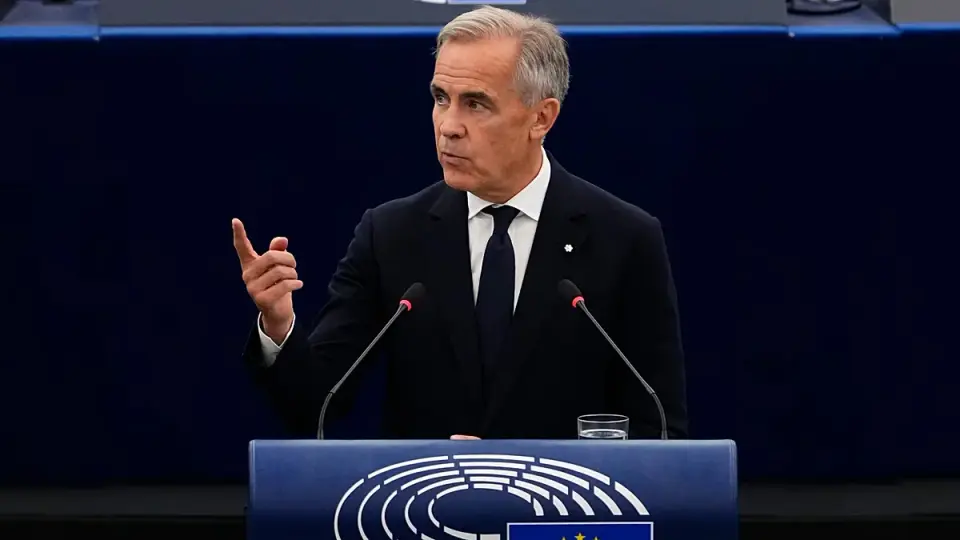
Canadian Prime Minister Mark Carney has proposed a new 'associate membership' status for Canada within the European Union, a move designed to counter US pressure and diversify trade. While the specific legal terminology remains debated, the political signal is clear: a closer strategic alliance between Ottawa and Brussels.
Key points
- Carney delivered a six-page address to the European Parliament, framing the EU-Canada relationship as a necessary alliance against external threats from the US, China, and Russia.
- The proposal centers on 'associate membership' rather than full accession, aiming to deepen trade, cultural, and political ties without full integration.
- European Parliament President Roberta Metsola suggested this model could serve as a precedent for other nations like Australia and New Zealand.
- Critics note that the CETA trade deal remains unratified in some EU states and is unpopular in agricultural sectors, highlighting potential hurdles for deeper integration.
- The move contrasts with the EU's previous approach, which sought to de-escalate tensions with the US, whereas Carney has positioned himself as a defender of sovereignty against US tariffs.
Background
In September 2026, Canada began exploring closer ties with the EU, including joining the EU’s SAFE defense procurement program. Carney had previously signaled that Ottawa sought a bespoke partnership rather than full membership, citing intensifying US-Canada trade tensions. This latest development follows a series of diplomatic moves aimed at diversifying strategic partnerships away from traditional transatlantic dependencies.
How outlets are covering it
Euronews emphasizes the rhetorical power of Carney’s address, noting his use of Goethe to frame freedom as a daily conquest, and contrasts his bold stance with the perceived caution of EU Commission President Ursula von der Leyen. AP News focuses on the practical outcome, highlighting Carney’s praise for the alliance plans in the context of US tariffs. While Euronews questions the clarity of the 'associate' status, AP frames it as a strategic response to economic pressure. Both outlets agree that the move signals a shift in European and Canadian foreign policy, though Euronews is more critical of the EU's internal hesitation regarding joint financing and debt.
Why it matters
This proposal could reshape the geopolitical landscape by creating a new bloc of 'middle powers' that resists US and Chinese dominance. It may also set a precedent for other nations seeking closer ties with the EU without full membership, potentially altering the bloc's external relations and trade dynamics.
What to watch
The EU and Canada must now negotiate the specific terms of this 'associate' status. The success of the initiative will depend on overcoming existing trade barriers, particularly in agriculture, and determining whether the political signal translates into concrete economic and security agreements. The US reaction, including potential tariffs, will also be a key factor in the outcome.
- Newsletter: Carney is right on EU associate membership — the name is irrelevant, the politics aren’t Euronews.com
- Carney’s Euro trip inflames Trump tensions The Hill
- Canada, EU face limits to relationship after symbolic EU overture to Carney Reuters
- Politics The Economist
- Carney says Canada is strong as US borrowing costs rise and Europe ties deepen AP News
Want the full story? Read the original reporting
Read on Euronews.com