
Trump Announces Major Cut to US-South Korea Joint Drills Amid North Korea Tensions
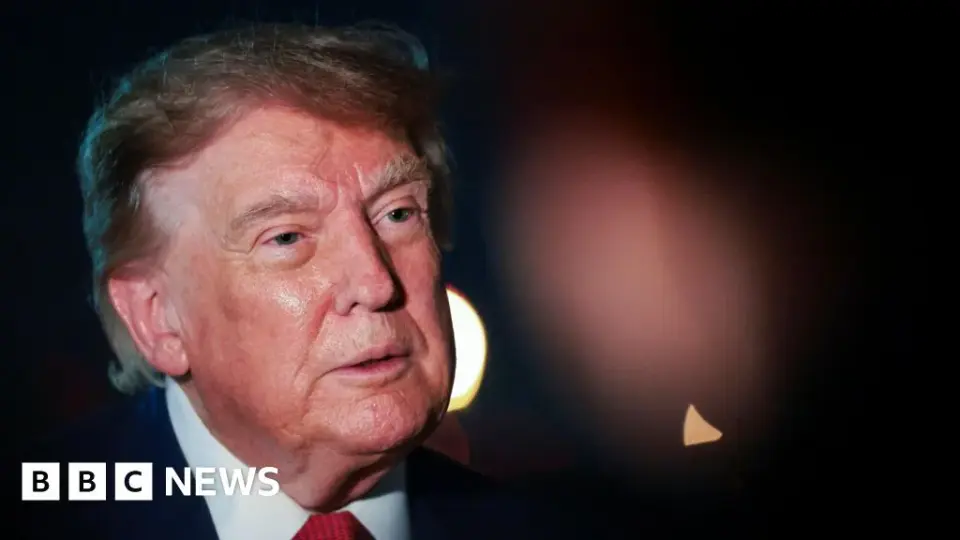
President Donald Trump announced a substantial reduction in joint military exercises with South Korea, citing his relationship with North Korean leader Kim Jong Un and the high cost of the drills. The decision comes despite recent North Korean ballistic missile tests and upcoming annual exercises.
Key points
- Trump stated the US will 'substantially reduce' joint military operations with South Korea, claiming the exercises are costly and send a hostile signal.
- The President cited his 'very good relationship' with Kim Jong Un as a primary reason for the scaling back of operations.
- Trump noted that South Korea recently declined to join the US in the 'denuclearisation' of Iran, which he described as 'somewhat unrelated' but relevant to the decision.
- The announcement follows North Korea's recent ballistic missile tests, which are banned by the United Nations.
- The US and South Korea were scheduled to begin their annual military exercises on Monday, making the cancellation too late to fully implement, according to Trump.
- US and South Korean military leaders had recently announced the 'Ulchi Freedom Shield' exercise, an 11-day event involving approximately 18,000 South Korean soldiers.
Background
Recent developments in North Korea's foreign relations, including its deepening partnership with Russia through the deployment of missile units to support the war in Ukraine, have heightened regional tensions. This backdrop of escalating military cooperation between Pyongyang and Moscow contrasts with the current US decision to reduce joint drills with Seoul. The broader context of US foreign policy, including its stance on Iran and its interactions with Asian allies, frames this shift in defense strategy.
Why it matters
The reduction in joint military exercises could signal a significant shift in US defense posture in East Asia, potentially affecting deterrence against North Korea and altering the security dynamics in the region. It also highlights the complex interplay between US domestic and foreign policy priorities, including its stance on Iran and its relationships with key allies like South Korea.
What to watch
The immediate next step is the scheduled start of the annual military exercises on Monday, which may proceed despite the announced reduction. The long-term implications will depend on how the US and South Korea adjust their defense cooperation and how North Korea responds to the changed posture. Further diplomatic engagements between the US and North Korea may also influence the future of these military operations.
Want the full story? Read the original reporting
Read on BBC