
Iran launches second drone strike on US base in Bahrain as Trump rejects peace talks
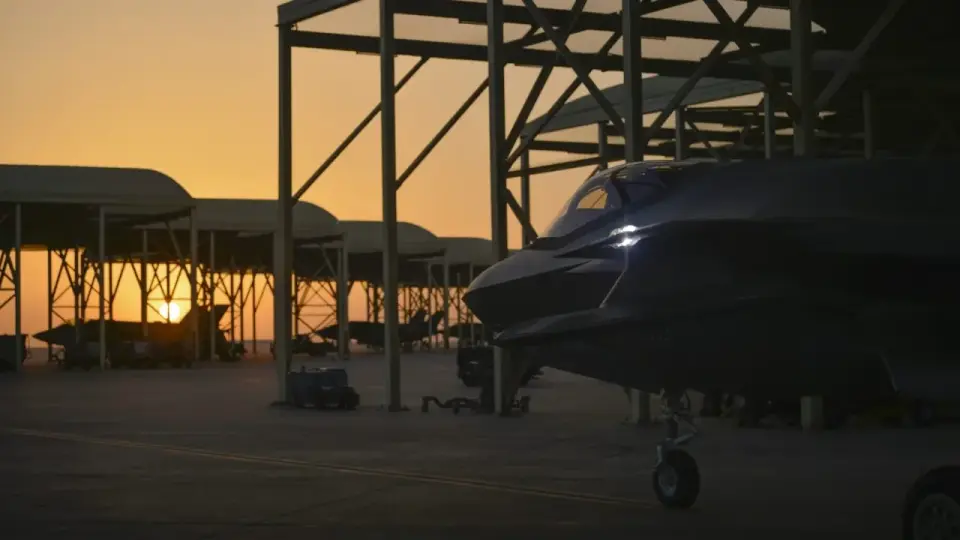
Iran’s Islamic Revolutionary Guard Corps (IRGC) launched six drones at a US airbase in Bahrain on Sunday, marking the second attack in three days. Bahrain’s defense forces intercepted the drones, preventing damage or injuries, though sirens alerted residents. Tehran claims the strikes were retaliation for 'hostile US actions' and a warning to cease aggression. The US military denies any damage to its facilities, stating previous Iranian drones were shot down. This escalation occurs as President Trump dismisses the need for a deal with Iran, opting for an economic blockade instead. Regional neighbors, including Saudi Arabia and Qatar, condemned the attacks. The conflict, now in its ninth month, has stalled diplomatic efforts, with Iran demanding the end of the US naval blockade and the release of frozen assets.
Key points
- IRGC launched six drones at a US airbase in Bahrain on Sunday; Bahrain intercepted them.
- This is the second attack on Bahrain in three days; the US denies damage from a previous Friday strike.
- Iran claims the strikes are retaliation for 'hostile US actions' and a warning to the US.
- President Trump stated 'we don't need a deal with Iran' and directed VP Vance to focus on domestic issues.
- The US maintains a naval blockade of Iranian ports; Iran demands its end and the release of frozen assets.
- Gulf states, including Saudi Arabia, Qatar, Jordan, and Egypt, condemned the Iranian attacks.
Background
The US-Iran conflict began in February 2026, with major hostilities ending in summer after a preliminary agreement collapsed. Since then, tensions have simmered, with Iran targeting shipping in the Strait of Hormuz and the US imposing a naval blockade. A previous Iranian attack on Bahrain occurred in September, which US Navy Secretary Hung Cao described as severe. Diplomatic talks have stalled, with Iran demanding the end of the blockade and the release of frozen assets, while the US administration, led by President Trump, has prioritized economic pressure over negotiation. The UN nuclear watchdog has expressed concern over Iran’s refusal to allow access to an underground uranium facility, though the US claims Iran’s nuclear industrial base is largely destroyed.
How outlets are covering it
The Hill and BBC report that Bahrain intercepted the drones, preventing damage, while the IRGC claims it struck a US base. CNN emphasizes the economic pressure on Iran, noting that Gulf oil exports have recovered to 18.4 million barrels per day, reducing Tehran’s leverage. CBS News highlights the US military’s denial of damage to its radar system and the administration’s stance that 'we don't need a deal with Iran.' Iranian officials, including Foreign Ministry spokesperson Esmaeil Baghaei, argue that Gulf states must not 'reopen old wounds' by supporting US aggression, while US officials, including Treasury Secretary Scott Bessent, describe the IRGC as a 'dangerous, cornered animal' responding to effective sanctions. Analysts note that Iran’s willingness to absorb economic costs may prolong the conflict, as the US believes time will force Tehran to soften its terms.
Why it matters
The renewed strikes on Bahrain signal a potential escalation in the US-Iran conflict, which has persisted for nine months. The attacks threaten regional stability in the Gulf, where major US military facilities are located, and could disrupt oil flows through the Strait of Hormuz. The US strategy of economic pressure, including a naval blockade and sanctions, aims to force Iran to negotiate, but Tehran’s refusal to compromise on nuclear issues and its continued attacks on shipping suggest a prolonged stalemate. The conflict also impacts global oil markets, with the IEA reporting that Gulf exports are recovering but remain 26% below pre-war levels. Diplomatic efforts have stalled, with the US rejecting the need for a deal and Iran demanding the end of the blockade and the release of frozen assets, creating an 'unstable limbo' in the region.
What to watch
The US is expected to maintain its naval blockade and economic sanctions, with President Trump indicating he is unlikely to order fresh military attacks as long as talks continue positively. Iran may continue to target US and Gulf assets, with warnings that it could broaden targets to infrastructure, including subsea cables. Diplomatic efforts may resume if the economic pressure forces Iran to soften its terms, but for now, both sides remain in a standoff. The UN nuclear watchdog may continue to press for access to Iran’s underground uranium facility, though Tehran has refused, citing the ongoing conflict. Regional tensions may escalate further if the US or Israel resumes strikes, as Iran has warned it would respond with greater force.
- Bahrain intercepts Iranian strikes on US airbase The Hill
- Iran raises stakes with new drone attacks as Trump signals a waiting game CNN
- Iran targets US military base in Bahrain with drone attack BBC
- Live Updates: Bahrain says it intercepted Iranian attacks after Tehran claims it targeted U.S. assets CBS News
- Iran says it targets US radar in Bahrain. What do we know? Al Jazeera
Want the full story? Read the original reporting
Read on The Hill