
Supreme Court Weighs Fate of Climate Liability Lawsuits in Boulder vs. Oil Giants
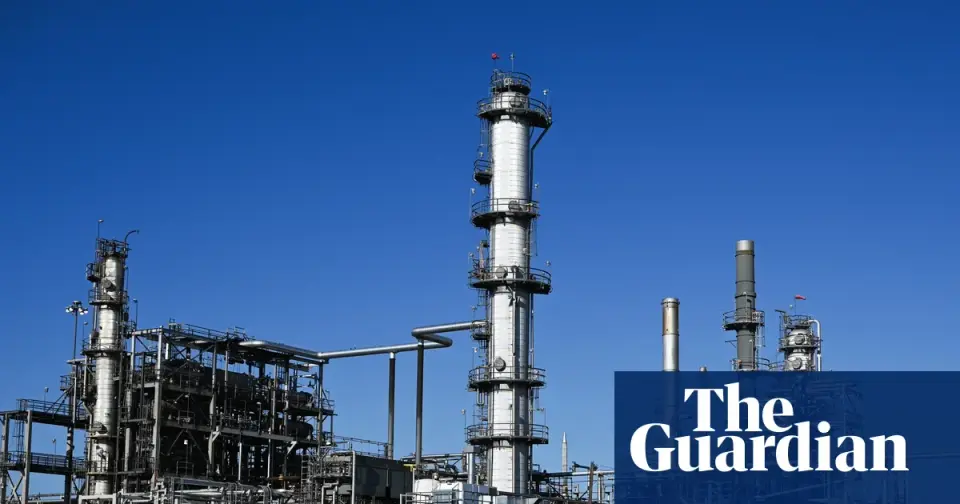
The US Supreme Court heard arguments on October 5 in Suncor Energy v. Boulder County, a pivotal case determining whether federal law preempts state-level climate damages lawsuits against ExxonMobil and Suncor. Boulder seeks billions in compensation for climate-related harms, alleging the companies concealed knowledge of fossil fuel impacts. While the court’s direction remains unclear, experts suggest the justices struggled to find a clear legal basis for the industry’s preemption arguments. A ruling is expected next summer, with potential implications for dozens of similar cases nationwide.
Key points
- Boulder County sued ExxonMobil and Suncor in 2018, alleging they misled the public about climate risks and should pay for resulting damages.
- The oil companies argue federal law, including the Clean Air Act, preempts state climate lawsuits, claiming such cases belong to Congress or federal courts.
- Justice Samuel Alito recused himself due to oil stock holdings, leaving five conservative justices to weigh the case; a 4-4 split would uphold the lower court’s decision without setting a national precedent.
- Experts noted the justices focused on the merits rather than jurisdiction, suggesting they may struggle to write a majority opinion siding with the industry.
- A ruling could impact dozens of similar climate lawsuits across the US, with a potential $37 billion cost to Colorado by 2050 if climate harms continue.
Background
The case stems from a 2018 lawsuit by Boulder County, which alleged ExxonMobil and Suncor concealed knowledge of climate risks. The companies sought to move the case to federal court, but the Colorado Supreme Court allowed it to proceed in state court. The US Supreme Court agreed to hear the case while it was still in preliminary stages, an unusual move. Justice Alito’s recusal, due to holdings in ConocoPhillips and Phillips 66, created a risk of a 4-4 split, which would uphold the lower court’s decision without setting a national precedent.
How outlets are covering it
The Guardian and The New York Times emphasized the potential for the case to set a national precedent, with The New York Times noting that a win for Boulder could clear the way for dozens of similar lawsuits. The Washington Post, in an opinion piece, argued that local emissions rules should not be used to hold companies liable for global emissions, framing the case as a broader issue of federal vs. state authority. The Guardian highlighted the industry’s argument that climate change is a global issue requiring federal legislation, while The New York Times noted the Trump administration’s support for the oil companies. Experts from Earthjustice and Columbia Law School noted that the justices struggled to find a clear legal basis for the industry’s preemption arguments, suggesting a potential win for Boulder.
Why it matters
The outcome of this case could determine whether state and local governments can hold fossil fuel companies liable for climate damages, potentially leading to billions in compensation. A ruling against Boulder could doom similar lawsuits nationwide, while a win could open the door for broader climate litigation. The case also highlights the tension between federal and state authority in addressing climate change, with implications for future environmental policy and regulation.
What to watch
A ruling is expected next summer. If the court sides with Boulder or declines to hear the case, it will proceed in state court. If the court rules in favor of the oil companies, it could preempt dozens of similar climate lawsuits across the US. The case may also influence future federal climate policy, particularly given the Trump administration’s support for the oil companies and its revocation of the 2009 bedrock scientific determination for regulating climate-heating pollution.
- US supreme court to hear big oil’s bid to block climate damage lawsuits The Guardian
- A Supreme Court Battle Over Climate Change Begins The New York Times
- Opinion | Boulder County Wants to Smash ‘Abundance’ WSJ
- Opinion | This Supreme Court case is much bigger than oil and gas The Washington Post
- US Supreme Court hears bid by oil companies to avoid climate lawsuit Reuters
Want the full story? Read the original reporting
Read on The Guardian