
US clocks fall back Nov. 1 as Senate gridlock preserves twice-yearly time changes
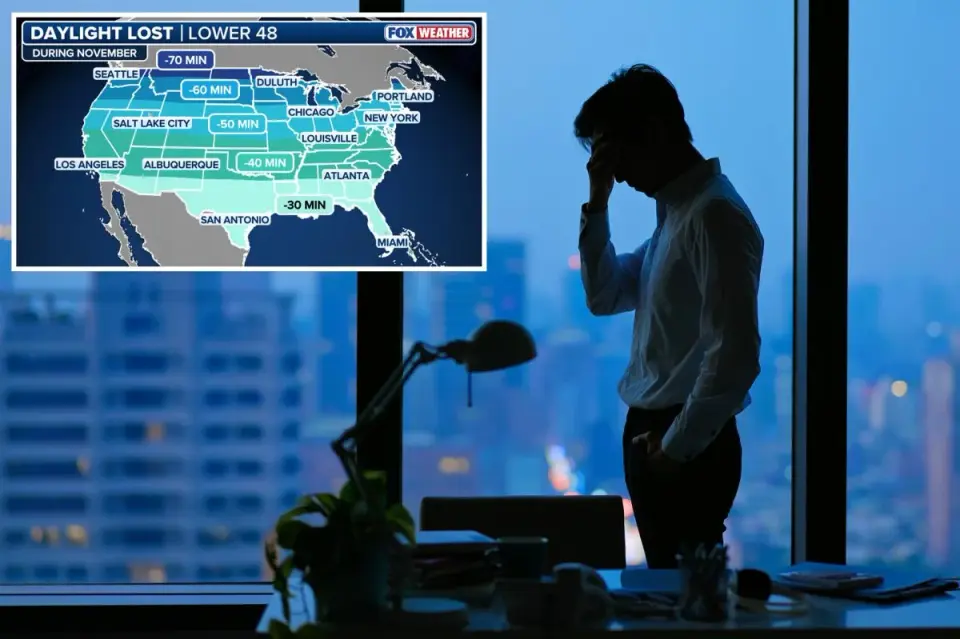
Daylight Saving Time ends at 2 a.m. on Sunday, Nov. 1, 2026, as the Sunshine Protection Act remains stalled in the Senate. Most Americans will gain an extra hour of sleep but face earlier sunsets. The next time change occurs March 14, 2027.
Key points
- Clocks fall back one hour at 2 a.m. on Nov. 1, 2026, returning the US to standard time.
- The Sunshine Protection Act, which would make daylight saving time permanent, passed the House in July but stalled in the Senate.
- Senate Republicans, including Tom Cotton and John Thune, oppose the bill due to safety concerns regarding dark winter mornings.
- Halloween falls on Saturday, Oct. 31, 2026, coinciding with the time change for an extra hour of festivities.
- The next daylight saving time change occurs at 2 a.m. on March 14, 2027.
Background
Previous coverage in October 2026 highlighted escalating tensions between President Trump and Senator Tom Cotton over the Sunshine Protection Act. While the House passed the bill in July, Senate leaders acknowledged no clear path to passage before the midterm elections, leaving the current twice-yearly time change system intact.
How outlets are covering it
USA Today emphasizes the legislative deadlock, noting that despite President Trump's public pressure and a 301-117 House vote, Senate Republicans remain unconvinced due to circadian health and safety concerns. TODAY.com highlights the unique 2026 calendar, where Halloween falls on a Saturday, coinciding with the time change for an extra hour of celebration, a scenario not expected again until 2037. The Detroit Free Press focuses on practical preparations, advising manual adjustments for non-internet-connected devices and noting the impact of shorter days on mental health. The New York Post provides a straightforward overview of the Nov. 1 schedule and the failed legislative attempt to end seasonal changes.
Why it matters
The continued twice-yearly time change disrupts sleep cycles and circadian rhythms for millions of Americans. The failure to pass the Sunshine Protection Act means the public must continue adjusting to seasonal shifts, with potential impacts on safety, health, and daily routines, particularly during the darker winter months.
What to watch
Americans should manually adjust analog clocks and non-internet-connected devices on Nov. 1, 2026. The next time change occurs at 2 a.m. on March 14, 2027, when clocks spring forward one hour. Legislative efforts to end seasonal time changes remain stalled in the Senate.
- Here’s when daylight saving time begins — and the official time clocks go back New York Post
- Is it time to set your clock back this weekend? What to know USA Today
- Shorter days ahead: Daylight fades through November WKBN.com
- Halloween and Daylight Saving Time Align in 2026: What to Know TODAY.com
- Michigan clocks fall back soon for DST. What you need to know Detroit Free Press
Want the full story? Read the original reporting
Read on New York Post