
Mamdani Unveils 'Vision Zero Reimagined' to Tackle Pedestrian Deaths and Reckless Driving
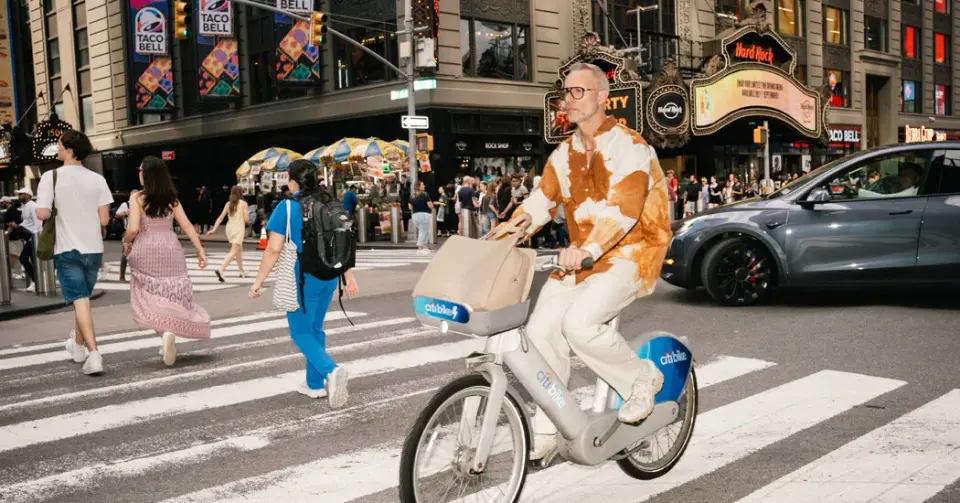
Mayor Zohran Mamdani unveiled 'Vision Zero Reimagined,' a 104-page, decade-long strategy to eliminate traffic deaths in New York City. The plan includes installing speed-capping devices in repeat offenders' vehicles, lowering speed limits near schools, and redesigning intersections. Critics note the proposal lacks specific locations for pedestrian-only zones and relies on state legislation for key enforcement measures.
Key points
- The 104-page plan, titled 'Vision Zero Reimagined,' sets over 100 goals across eight categories to eliminate traffic deaths and serious injuries by the end of the decade.
- Key initiatives include installing speed-capping devices in vehicles of repeat dangerous drivers, a program authorized by Governor Kathy Hochul but requiring City Council approval.
- The city aims to reduce speed limits to 15 mph near hundreds of additional schools and 20 mph in entire neighborhoods under 'Sammy’s Law.'
- The plan commits to 'hardened daylighting' at 1,000 intersections annually, replacing parking spaces with physical barriers like planters to improve visibility, a shift from previous sign-only approaches.
- Proposals include creating pedestrian-only or pedestrian-priority districts, though no specific locations were disclosed, and introducing a 'mobility wallet' for low-income residents to access discounted transit.
- The plan calls for state legislation to allow license plate seizure for reckless drivers and to charge drivers impaired by drugs, alongside redesigning nearly 200 'priority corridors' identified as most dangerous.
Background
This announcement follows a series of fatal hit-and-run crashes in the summer of 2026, which prompted street safety advocates to hold a 'die-in' outside City Hall. The plan updates the original Vision Zero initiative launched by Mayor Bill de Blasio in 2014, which has already reduced traffic fatalities by 16% since its inception. It also contrasts with previous administrations, such as Eric Adams', which initially championed but later reversed certain intersection redesign strategies.
How outlets are covering it
The New York Times emphasizes the plan's ambitious scope, including speed-capping devices and higher tolls for oversize vehicles, while noting it addresses the changing mix of traffic. Gothamist highlights the lack of specifics, noting that many aggressive proposals require state approval and that the plan is light on details for pedestrian-only zones. amNewYork focuses on the shift from sign-only to 'hardened' daylighting and the focus on serial dangerous drivers, while questioning the feasibility of NYPD enforcement and the details of the mobility wallet program. All sources agree on the core goals but differ in their assessment of the plan's immediate implementability and specificity.
Why it matters
The plan represents a significant escalation in New York City's approach to traffic safety, moving beyond infrastructure changes to direct vehicle modifications and stricter enforcement. It addresses a persistent public safety crisis, with traffic deaths remaining a leading cause of death in the city. The reliance on state legislation and City Council approval for key measures like speed-capping devices and drug-impaired driving laws introduces political uncertainty into the timeline for implementation.
What to watch
The city must secure City Council approval for the 'Super Speeders' program and lobby the state legislature in Albany for new laws regarding drug-impaired driving and license plate seizure. The Department of Transportation will begin implementing the 1,000 intersection annual redesign target and expanding 15 mph school zones. The administration will also need to define the specifics of the 'mobility wallet' and pedestrian-only districts, which were left vague in the initial release.
- Mamdani to Unveil Street Safety Plan in Move to Curb Pedestrian Deaths The New York Times
- Mayor's new Vision Zero plan targets speeding, ghost plates and traffic deaths ABC7 New York
- Mamdani calls for crackdown on NYC's worst drivers after series of hit-and-run deaths Gothamist
- UPDATE: Mayor Mamdani Offers Bold 'Vision Zero Reimagined' But Details Are Few (And NYPD Reveals Its Priority: Bikes) Streetsblog New York City
- Mayor Mamdani to roll out ‘Vision Zero Reimagined’ plan to lower speed limits, redesign intersections and more amNewYork
Want the full story? Read the original reporting
Read on The New York Times