
Queen Creek Residents Face Potential Water Bill Surge to Over $500 Monthly
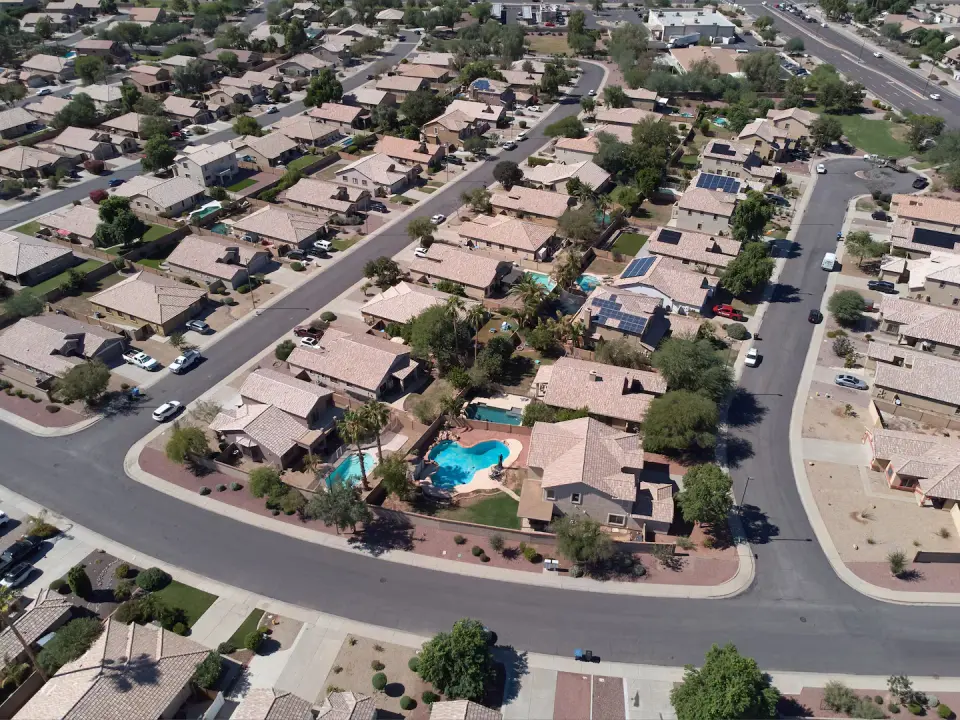
Residents in Queen Creek, Arizona, are facing potential water bill increases that could raise monthly costs from approximately $130 to over $500. This significant hike reflects the broader reality that affordable water is no longer available in the region, forcing households to adjust to higher expenses for basic utilities.
Key points
- Local residents, such as Ron Rios, report current water bills around $130 per month, with projections indicating a rise to more than $500.
- The cost increase is driven by the end of the era of cheap water in Arizona, a trend affecting suburban areas like Queen Creek.
- Households are reacting with frustration to the prospect of paying significantly more for water, particularly for amenities like backyard pools that help mitigate extreme summer heat.
Background
This development follows earlier coverage in October 2026 noting that water scarcity has become the dominant issue in Arizona midterm elections, surpassing traditional partisan topics. Candidates have leveraged severe drought conditions and Colorado River water cuts to critique opponents, while new tools from Arizona State University were introduced to help voters understand local water risks. The current rate hikes in Queen Creek represent a tangible consequence of these broader regional water challenges.
Why it matters
The potential tripling of water costs for residential customers highlights the immediate economic impact of Arizona's water crisis on everyday households. As the state moves away from the era of inexpensive water, residents face substantial financial burdens that could influence local political priorities and household budgeting strategies in the coming years.
What to watch
Residents in Queen Creek and similar Arizona suburbs may see their water bills rise significantly in the near term. Local utility providers are likely to implement new rate structures to reflect the increased cost of water supply and management, potentially leading to further public debate over infrastructure investment and conservation measures.
Want the full story? Read the original reporting
Read on The Washington Post