
SNAP Enrollment Plummets 13% as New Work Rules and State Costs Strain Food Banks
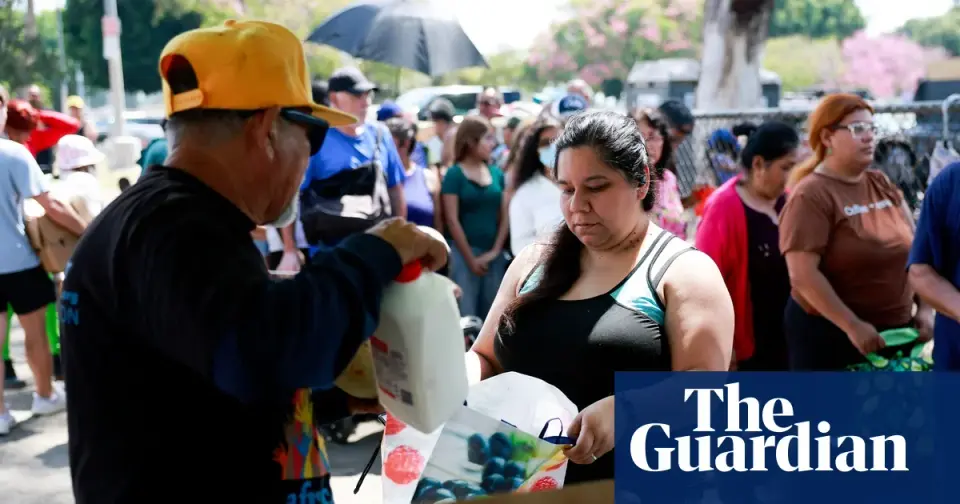
US food stamp enrollment dropped 13% to 36.5 million by June 2026, following the One Big Beautiful Act. The law expanded work requirements to ages 18-64 and shifted 75% of administrative costs to states. While the administration frames this as a success for workforce participation, advocates report rising hunger, overwhelmed food banks, and processing backlogs that leave eligible families without aid.
Key points
- National SNAP enrollment fell from 41.6 million in July 2025 to 36.5 million in June 2026, a 13% decrease.
- The One Big Beautiful Act expanded work requirements to adults aged 18-64 without dependents under 14, requiring 20 hours of work weekly.
- States now cover 75% of SNAP administrative costs, up from 50%, with potential penalties for high error rates.
- Texas saw a 20.8% drop in enrollment, hitting a 17-year low, while Arizona lost 50% of its recipients.
- Food banks report tripling call volumes and empty shelves, indicating increased demand despite lower enrollment numbers.
Background
This decline follows the passage of the One Big Beautiful Act in mid-2025, which restructured federal welfare programs. Previous coverage noted internal administration conflicts over food policies, such as the resignation of MAHA adviser Calley Means in October 2026, highlighting tensions between health initiatives and budgetary cuts. The current SNAP reductions are part of a broader $187 billion projected savings over ten years.
How outlets are covering it
The Trump administration and Agriculture Secretary Brooke Rollins view the 5 million-person drop as a victory for incentivizing work, dismissing concerns as partisan opposition. Conversely, The Texas Tribune and The Copper Courier highlight that enrollment drops do not correlate with job growth, noting that the US added fewer jobs under Trump than in Biden’s final 20 months. Advocates like Feeding Texas and the Food Bank Council of Michigan argue that the cuts create a crisis of access, with states like Texas failing to process 95% of applications on time. The Copper Courier emphasizes that Latino families bear a disproportionate burden, with 48% of disqualified Arizonans being Latino, despite comprising only a third of the population. USDA officials downplay the impact, stating that benefit numbers fluctuate naturally and are not indicative of a single policy’s effect.
Why it matters
The reduction in SNAP funding threatens to destabilize school meal programs, as fewer eligible students may disqualify districts from the Community Eligibility Provision, cutting off free lunches for all students. Additionally, the shift of administrative costs to states risks longer processing times and potential loss of federal funding if error rates remain high, potentially leaving vulnerable populations without essential nutrition during an economic downturn.
What to watch
States face increased financial pressure to reduce payment error rates below 6% by 2027 to avoid additional cost-sharing mandates. Advocacy groups are pushing for legislative intervention to address application backlogs, while midterm elections in November 2026 may see candidates like JoAnna Mendoza in Arizona campaigning on restoring SNAP funding. The administration continues to enforce work requirements, with no immediate signs of policy reversal.
- Trump administration has pushed off 13% of Americans enrolled in food stamps The Guardian
- Texas SNAP participation drops to a 17-year low as the feds tighten eligibility The Texas Tribune
- Congress Must Delay SNAP Cost Shift to Stanch SNAP Participation Losses, Which Far Exceed CBO’s Estimates Center on Budget and Policy Priorities
- 'Hunger Disaster Unrolling Before Our Eyes': Alarm Grows Over Trump Food Aid Evisceration Common Dreams
- Latino families hit worst by SNAP cuts in Arizona Copper Courier
Want the full story? Read the original reporting
Read on The Guardian