
U.S. Ambassador Huckabee Condemns West Bank Settler Violence as 'Terror' During Visit to Turmus Ayya
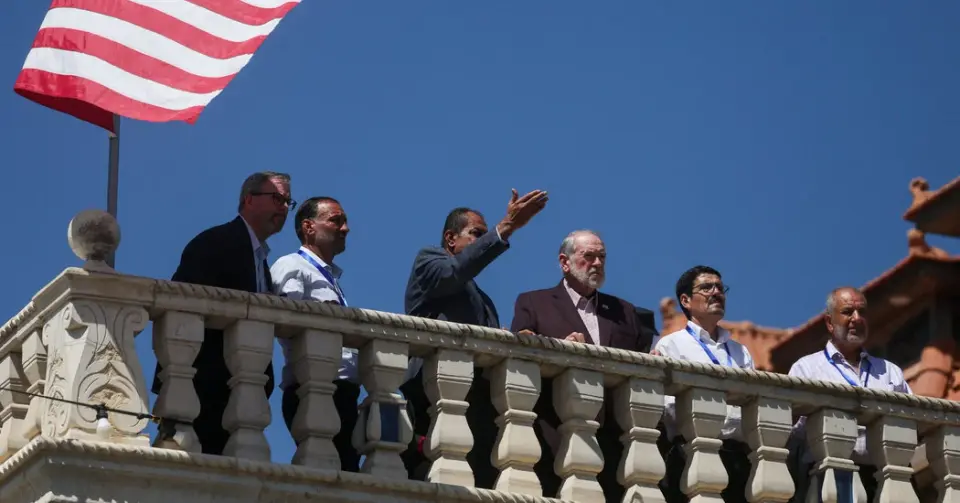
U.S. Ambassador to Israel Mike Huckabee visited the West Bank town of Turmus Ayya on September 5, 2026, to meet with Palestinian American residents. He condemned recent settler attacks as 'acts of terror' and demanded that the Israeli government investigate and adjudicate these crimes. The visit followed a surge in settler violence since 2023, including the recent siege of an American citizen’s home in Qusra. While Huckabee emphasized the need for accountability, analysts noted the visit was largely symbolic and unlikely to change U.S. policy.
Key points
- Ambassador Mike Huckabee held a town hall in Turmus Ayya, meeting with approximately 10 Palestinian American residents and local officials.
- Huckabee labeled settler actions, such as burning cars and vandalizing homes, as 'criminal acts' and 'acts of terror' that require Israeli government investigation.
- Residents described a climate of fear, citing frequent roadblocks, settler attacks on property, and a lack of accountability for violence.
- The visit occurred amid escalating settler violence in the West Bank, which has surged since the start of the Gaza war in October 2023.
- Israeli Prime Minister Benjamin Netanyahu had recently condemned the actions of a 'handful of rioters,' and the foreign ministry called the behavior a 'disgrace.'
Background
This event follows a series of high-profile settler incidents in the West Bank over the past month. In August 2026, Huckabee previously condemned settler outposts in Qusra as 'terrorists' after they besieged Palestinian families. Earlier that month, far-right Knesset member Zvi Sukkot damaged a Palestinian memorial in Madama, sparking cross-party backlash. Additionally, settler violence has intensified since late 2022, coinciding with the rise of Netanyahu’s ultranationalist coalition, which has overseen a significant expansion of settlements in the occupied territories.
How outlets are covering it
The New York Times highlights the diplomatic significance of Huckabee’s rare meeting with Palestinians, framing his condemnation as a response to international backlash over settler attacks. CBS News focuses on the legal and administrative aspect, noting that while the U.S. Embassy cannot investigate crimes, it can pressure the host government to act. Al Jazeera provides a critical perspective, with former Israeli ambassador Alon Pinkas describing the visit as 'largely symbolic' and arguing that the Trump administration lacks the will to pressure Israel effectively. Al Jazeera also emphasizes the residents' view that the violence is systematic rather than isolated, while CBS notes the broader context of settlement expansion and the illegality of these territories under international law.
Why it matters
The incident underscores the deepening tensions between the U.S. and Israel regarding settler violence in the West Bank. While the U.S. administration has expressed verbal condemnation, the lack of concrete policy changes or enforcement mechanisms raises questions about the effectiveness of diplomatic pressure. The surge in settler attacks, which has displaced and intimidated Palestinian communities, continues to challenge the viability of a two-state solution and highlights the ongoing humanitarian crisis in the occupied territories.
What to watch
The Israeli government is expected to respond to the U.S. demand for investigations into specific settler crimes. The Trump administration may face continued pressure from international bodies and human rights organizations to take more concrete action against settler violence. Residents of Turmus Ayya and other West Bank communities will likely continue to document and report attacks, seeking accountability from both Israeli authorities and the U.S. government.
- Huckabee Condemns ‘Terrorist’ Attacks on Palestinians in West Bank Town Hall The New York Times
- U.S. ambassador to Israel says "act of terror" cannot continue after weeks of West Bank unrest cbsnews.com
- US ambassador visits Palestinian town amid rise in West Bank settler violence Reuters
- Israel must protect West Bank’s Palestinians amid settler pogroms: US envoy Al Jazeera
- Huckabee says Israel has ‘responsibility’ to ensure safety of West Bank Palestinians The Times of Israel
Want the full story? Read the original reporting
Read on The New York Times