
Iranian Missile Strike Damages A-10 and F-15s at Jordan Base, Depleting US Interceptor Stockpiles
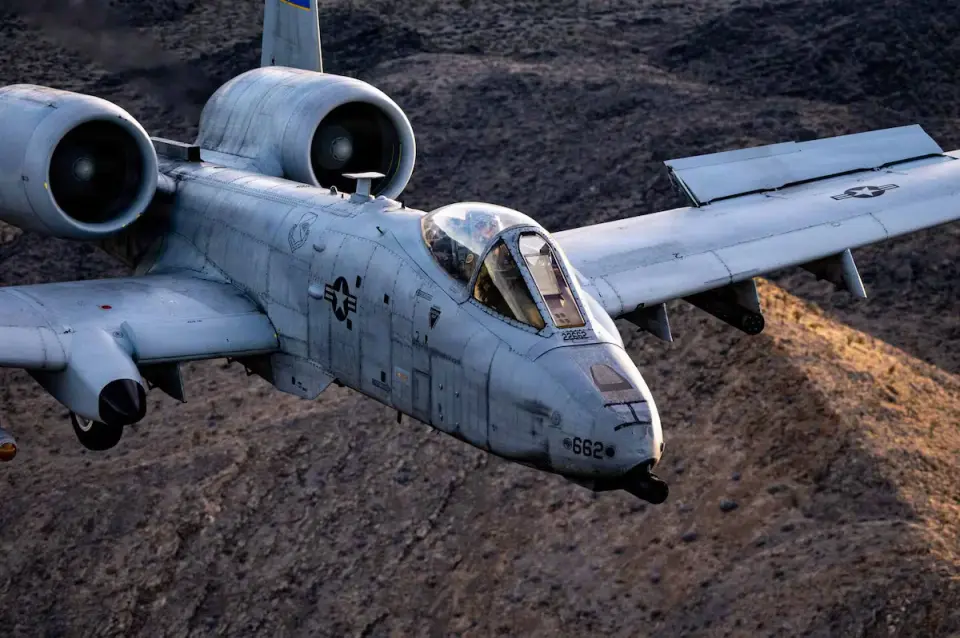
Iranian ballistic missiles struck Muwaffaq Salti Air Base in Jordan on September 8, damaging one A-10 Thunderbolt and eight F-15s. The attack followed US strikes on Iranian tankers and consumed over 30 Patriot interceptors, raising concerns about dwindling US air defense reserves.
Key points
- One A-10 Thunderbolt lost a wing, while eight F-15s sustained light damage but returned to service.
- No US personnel were killed in the September 8 strike, though 18 service members have died since the conflict began in February.
- US forces launched approximately 30 Patriot interceptors to defend the base, exacerbating inventory shortages.
- The attack followed US strikes on five Iranian crude oil carriers in retaliation for prior missile hits on a US warship.
Background
This incident is part of a broader conflict that began in February 2026. Previous clashes in July and August saw Iranian strikes on US bases in Jordan, including a July attack that killed three Army soldiers. The current exchange follows a pattern of tit-for-tat retaliation involving naval assets and air bases in the region.
How outlets are covering it
Military Times and CBS News confirm the damage to aircraft but differ on the framing of the conflict's trajectory. CBS News highlights President Trump's comments that the war may end after the midterm elections, while Military Times emphasizes the material cost to the US military, noting that 42 aircraft had already been lost or damaged before this incident. Air & Space Forces Magazine focuses on the operational impact, noting that the base serves as a key hub for operations against Iran. All sources agree that the strike was a direct response to US actions against Iranian tankers.
Why it matters
The damage to high-value aircraft and the rapid depletion of Patriot interceptors highlight the sustainability challenges of the US military's air defense strategy. With fewer than 850 interceptors remaining, down from 2,330 before the war, the US faces potential gaps in protection for its forward-deployed forces.
What to watch
The US is likely to continue retaliatory strikes against Iranian targets, while Iran may escalate attacks on US bases in the region. The depletion of interceptor stockpiles could force the US to adjust its defensive posture or seek replenishment from allies, potentially influencing the pace of the conflict.
- Iran attack on base in Jordan damaged American military aircraft, US official says Military Times
- Iran Damages US A-10, F-15s with Missile Attack on Air Base in Jordan Air & Space Forces Magazine
- Multiple U.S. military aircraft damaged in Iranian strikes on military base in Jordan, sources say CBS News
- Trump tells NewsNation there is ‘no truth’ to reports Iran damaged US aircraft NewsNation
- Oil tops $100 per barrel as U.S. fighter jets damaged in Iranian strikes on Jordan Yahoo
Want the full story? Read the original reporting
Read on Military Times