
Iran's Rocket Mines Force US to Watch Hormuz, Not Just Fight It
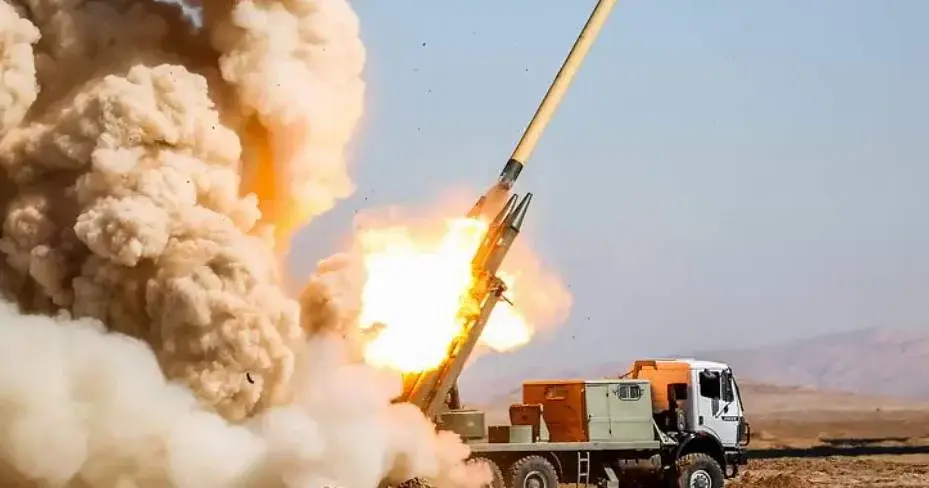
Former US commander Joseph Votel says Iran's threat of rocket-launched mines in the Strait of Hormuz forces constant US surveillance, creating an asymmetric burden. Recent US strikes targeted Iranian launchers on Larak Island after detecting preparations to deploy these mines, which analysts view as an adaptation to degraded conventional naval capabilities.
Key points
- Former CENTCOM commander Joseph Votel stated that the mere threat of mines deters commercial traffic and forces the US to maintain constant surveillance of the strait and coastal launch sites.
- US forces struck Iranian rocket launchers on Larak Island before they could fire sea mines into the Strait of Hormuz, according to CENTCOM.
- Analyst Farzin Nadimi noted that Iran is using smaller, rocket-launched mines because its traditional naval capabilities and larger mine stockpiles were significantly degraded during the war.
- The psychological impact of potential mines is significant; commercial vessels and insurers treat the threat seriously even without confirmed hits, shifting the burden of proof to the US.
- CENTCOM confirmed strikes on September 1 targeted IRGC air defense, radar, maritime assets, and mine-laying capabilities in response to attempted attacks on shipping and US troops.
Background
This development follows a broader conflict over the Strait of Hormuz, where independent data has shown discrepancies between US claims of open traffic and Iran's assertion of control. Previous coverage noted the use of 'dark transits' and pipeline rerouting to bypass the strait, while recent tensions included US strikes on Iranian oil tankers and a deadly strike on a wedding in Sirik County that sparked investigations into civilian casualties.
How outlets are covering it
Iran International emphasizes the strategic asymmetry, highlighting how Iran's limited options force the US into a costly surveillance posture. CNN focuses on the immediate escalation, detailing US strikes on multiple Iranian provinces and Iran's retaliatory attacks on Jordan, Bahrain, and Kuwait. AP News provides visual confirmation of the destruction and mourning following the strike on a wedding in Kuhestak, underscoring the civilian toll amidst the military confrontation.
Why it matters
The ability of Iran to threaten the Strait of Hormuz with low-cost, rocket-launched mines imposes a disproportionate surveillance and economic burden on the US and global shipping, even as Iran's conventional military power has been reduced. This dynamic complicates US efforts to secure the waterway and maintain global energy flows.
What to watch
The US is expected to maintain constant surveillance of the Strait of Hormuz and Iranian coastal positions to prevent further mine deployments. Diplomatic efforts, including mediation by Pakistan, continue despite the recent flare-up, while the US pursues economic pressure to force Iran into negotiations.
- In Hormuz, Iran only needs to keep ships guessing iranintl.com
- Photos show destruction and mourning after a strike on an Iranian wedding AP News
- Iran retaliates after US strikes, defying Trump’s warning it could be hit ‘much harder’ CNN
- In Small Iranian Town, a U.S. Attack Turns a Wedding Into a Tragedy The New York Times
- Politics The Economist
Want the full story? Read the original reporting
Read on iranintl.com