
Troops and families demand answers after deadly drone strike at Kuwait port
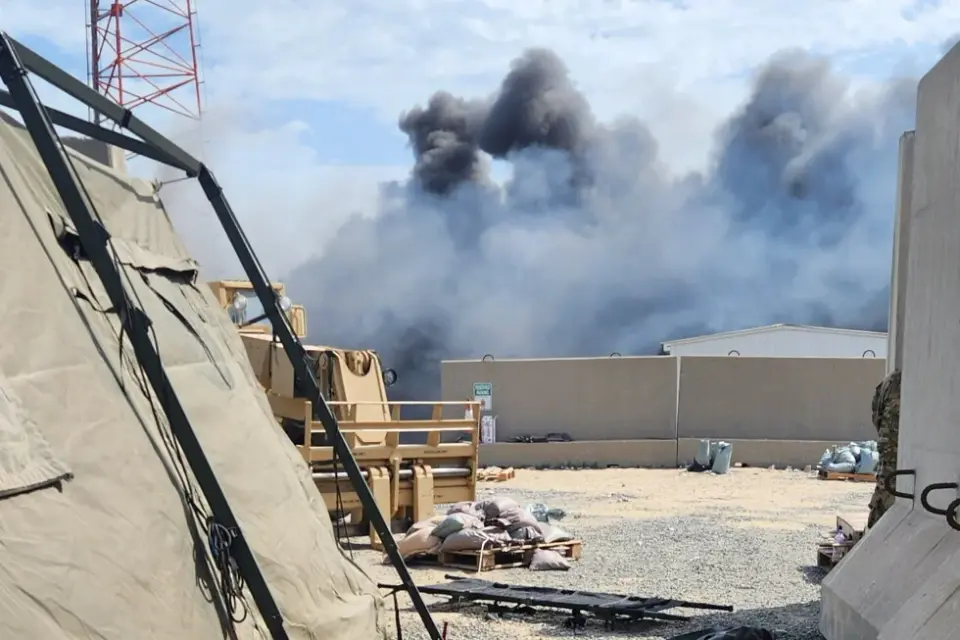
US soldiers and families are publicly challenging Army leadership over a March 2026 Iranian drone strike in Kuwait that killed six troops. The attack, which killed six and wounded dozens, occurred at Port Shuaiba, a site commanders chose despite warnings about its vulnerability to drones. While the Army has completed an investigation, it has not released findings, citing the need to brief next of kin first. The incident has sparked debate over whether military planners underestimated drone threats and failed to provide adequate air defense.
Key points
- Six US soldiers were killed and dozens wounded in an Iranian drone strike on a tactical operations center at Port Shuaiba, Kuwait, on March 1, 2026.
- Commanders, including Maj. Gen. John Hinson and Brig. Gen. Clint Barnes, moved troops to Port Shuaiba despite intelligence warnings that the site lacked drone defenses and was within striking distance of Iran.
- The Army completed its investigation in June but has not released the report, stating it must first brief the families of the deceased.
- Soldiers and families are speaking publicly, a rare occurrence for active-duty troops, to highlight concerns about command decisions and medical care.
- The strike is part of a broader conflict with Iran, which has resulted in 19 US deaths and over 800 wounded since the war began.
Background
This incident follows a period of increased focus on drone warfare within the US military, including the 'Drone Dominance' program and congressional inquiries into the Army's drone modernization efforts. The conflict with Iran, which began with US strikes on Iranian nuclear sites in June 2025, has led to significant casualties and costs, with the war described by President Trump as a 'little excursion' that has no clear end in sight.
How outlets are covering it
The AP and secondary outlets like The Batesville Daily Guard and WV News report on the same core facts but emphasize different aspects. The AP focuses on the internal command decisions and the failure to heed intelligence warnings, while secondary sources highlight the public outcry from soldiers and families. The AP notes that the Army and Pentagon declined to comment, while secondary sources emphasize the rarity of active-duty troops speaking on the record. The AP also provides specific details on the command structure and the rationale for the relocation, which is less detailed in the secondary sources.
Why it matters
This incident raises serious questions about the US military's preparedness for drone warfare and the decision-making process behind troop deployments. The public outcry from soldiers and families could lead to increased scrutiny of military leadership and potential changes in how the Army handles drone threats in the future. It also highlights the human cost of the conflict with Iran and the ongoing debate over the war's objectives and endgame.
What to watch
The Army is expected to release its investigation report after briefing the families of the deceased. The public outcry from soldiers and families may lead to further congressional inquiries and potential changes in military policy regarding drone warfare and troop deployment. The conflict with Iran is expected to continue, with no clear end in sight.
- Exclusive: Soldiers and Gold Star families press Army leadership after deadly Iranian drone strike AP News
- Iran US Port Shuaiba Attack The Batesville Daily Guard
- Iran US Port Shuaiba Attack Victims The Grand Junction Daily Sentinel
- Iran US Port Shuaiba Attack Wounded WV News
- Takeaways from AP report on Iranian attack in Kuwait that killed 6 US soldiers and wounded dozens AP News
Want the full story? Read the original reporting
Read on AP News