
Strobe Talbott, Architect of Clinton Foreign Policy, Dies at 80
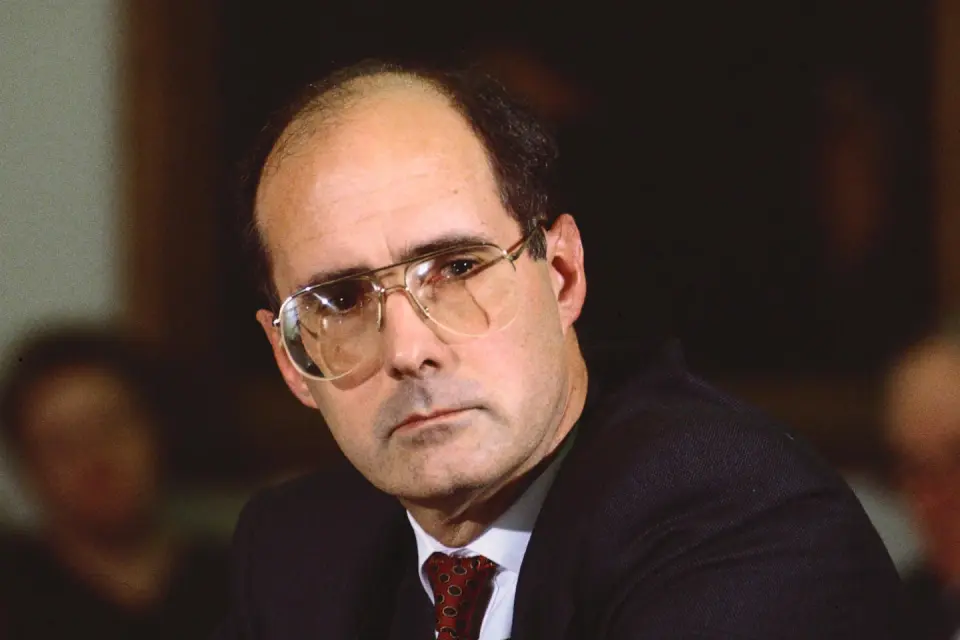
Strobe Talbott, a key figure in U.S. foreign policy during the Clinton administration, has died at age 80. Talbott served as deputy secretary of state and later led the Brookings Institution. His career began in journalism, where he translated Soviet leader Nikita Khrushchev's memoirs for Time magazine in 1970. He was a close friend of Bill Clinton, a relationship that began when both were Rhodes scholars at Oxford. Talbott's influence extended from diplomatic negotiations to think-tank leadership, shaping American foreign policy for decades.
Key points
- Strobe Talbott died at age 80, marking the end of a career that spanned journalism, diplomacy, and think-tank leadership.
- He served as deputy secretary of state under President Bill Clinton, playing a central role in shaping foreign policy during that administration.
- Talbott later led the Brookings Institution, continuing his influence on policy and international relations.
- His career began in 1970 when Time magazine hired him to translate the then-secret memoirs of Soviet premier Nikita Khrushchev, which had been smuggled out of the Eastern Bloc.
- Talbott and Bill Clinton were close friends, a relationship that began when both were Rhodes scholars at the University of Oxford.
Background
Talbott's death follows other high-profile diplomatic figures, such as Russian Ambassador Alexander Darchiev, who died in November 2026. His legacy is tied to the Clinton-era foreign policy framework and his long-standing role at the Brookings Institution, where he shaped policy discussions for years.
Why it matters
Talbott's death marks the end of an era in U.S. foreign policy, as he was a central figure in shaping the Clinton administration's approach to international relations. His work at the Brookings Institution and his close ties to Clinton influenced policy for decades, and his early career in translating Soviet memoirs highlighted his role in bridging East-West relations during the Cold War.
What to watch
Tributes and memorials are expected from former colleagues, including Bill Clinton, and from the Brookings Institution. His legacy will be assessed in terms of his impact on U.S. foreign policy and his contributions to international diplomacy.
Want the full story? Read the original reporting
Read on The Washington Post