
Trump’s 90-Day Beef Import Plan Sparks Backlash from Ranchers and GOP Lawmakers
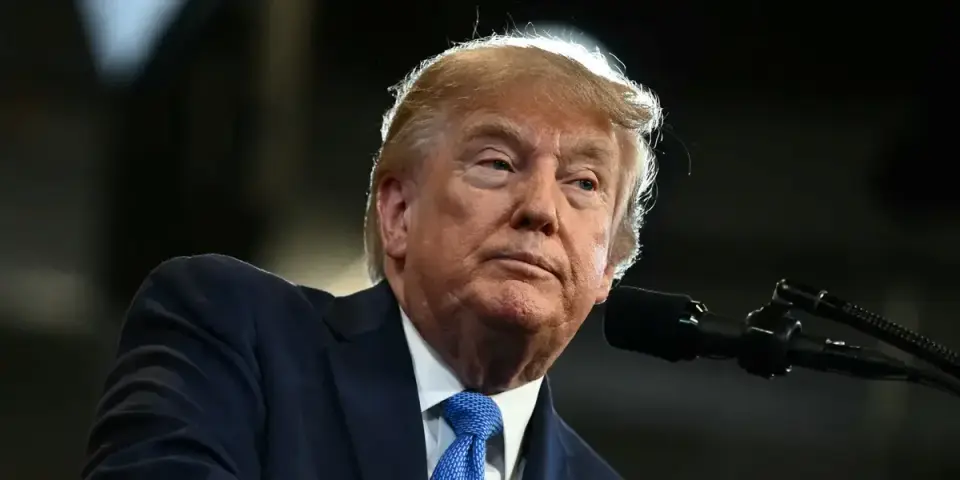
President Trump announced a 90-day suspension of tariffs on 300,000 metric tons of imported ground beef, aiming to cut prices by 25% ahead of the midterms. The move drew sharp criticism from the National Cattlemen’s Beef Association and multiple Republican senators, who argue it undermines domestic herd recovery and long-term market stability.
Key points
- Trump pledged that imported beef would be sold 25% below current market prices to help struggling consumers.
- The National Cattlemen’s Beef Association called the move 'political theater' that harms producers rebuilding herds.
- Several GOP senators, including Tim Sheehy and Chuck Grassley, criticized the plan as a short-term fix that ignores long-term agricultural needs.
- The U.S. cattle herd is currently at its smallest size since 1951, exacerbated by drought and screwworm outbreaks.
- Trump defended the decision, stating that lowering prices is a priority for voters, despite opposition from his own party’s agricultural base.
Background
This announcement follows a period of rising beef prices driven by a shrinking national cattle inventory, high production costs, and land constraints from ongoing droughts. The U.S. cattle herd has reached its lowest level since 1951, according to the American Farm Bureau Federation. Additionally, a screwworm outbreak in the U.S. earlier in 2026 further threatened domestic cattle populations. Trump had previously floated similar import ideas last year but faced immediate opposition from GOP senators in beef-producing states. The current move is seen by some as a strategic attempt to address voter frustration over the cost of living ahead of the November midterm elections, where a Cint report indicated that over half of respondents ranked cost of living as their top voting issue.
How outlets are covering it
Business Insider and NBC News highlight the deep rift within the Republican Party, noting that while Trump defends the move as necessary for voters, many GOP lawmakers from agricultural states, such as Nebraska’s Deb Fischer and Pete Ricketts, and Iowa’s Chuck Grassley, oppose it. They argue that flooding the market with foreign beef hurts domestic producers and does not solve the underlying supply issues. The National Cattlemen’s Beef Association, representing over 175,000 producers, emphasized that ranchers make long-term investments in herds, not short-term decisions based on social media posts. CNN reported that Trump dismissed the criticism, calling ranchers 'my people' but insisting that consumers need lower prices. The Washington Post’s editorial board characterized the move as a 'meat sweats' reaction to the looming midterms, suggesting the policy is driven by political timing rather than sustainable agricultural strategy. All sources agree that the plan lacks clarity on which countries or companies will supply the beef, raising concerns about market transparency and the quality of imported products.
Why it matters
The beef import decision highlights the tension between immediate consumer price relief and long-term agricultural stability. If the policy undermines the confidence of U.S. ranchers, it could further delay the recovery of the cattle herd, potentially leading to higher prices in the long run. The backlash from GOP lawmakers signals a potential fracture in the party’s base, particularly in rural and agricultural states, which could impact Trump’s political standing ahead of the midterms. Additionally, the move tests the limits of trade policy as a tool for addressing inflation, with critics arguing that market-based solutions and reduced production costs are more effective than temporary import surges.
What to watch
An executive order implementing the tariff suspension is expected within two weeks. The White House has stated it is working with ranchers to grow the cattle herd, but the immediate focus is on the 90-day import window. The reaction from consumers and the actual impact on beef prices will be closely monitored. The opposition from GOP lawmakers may lead to further legislative or political challenges to the policy. The outcome of this move could influence future trade decisions and the administration’s approach to other agricultural sectors.
- America's largest association of cattle ranchers says Trump's plan to lower beef prices is 'undermining' farmers Business Insider
- Trump defends pause on beef tariffs amid criticism from US cattle producers CNN
- GOP lawmakers criticize Trump’s beef import plan amid blowback from ranchers NBC News
- NCBA Statement on President Trump’s Truth Social Post National Cattlemen's Beef Association
- Opinion | Trump hits pause on a free-trade beef The Washington Post
Want the full story? Read the original reporting
Read on Business Insider