
West Virginia's Data Center Boom Clashes with Local Control and Environmental History
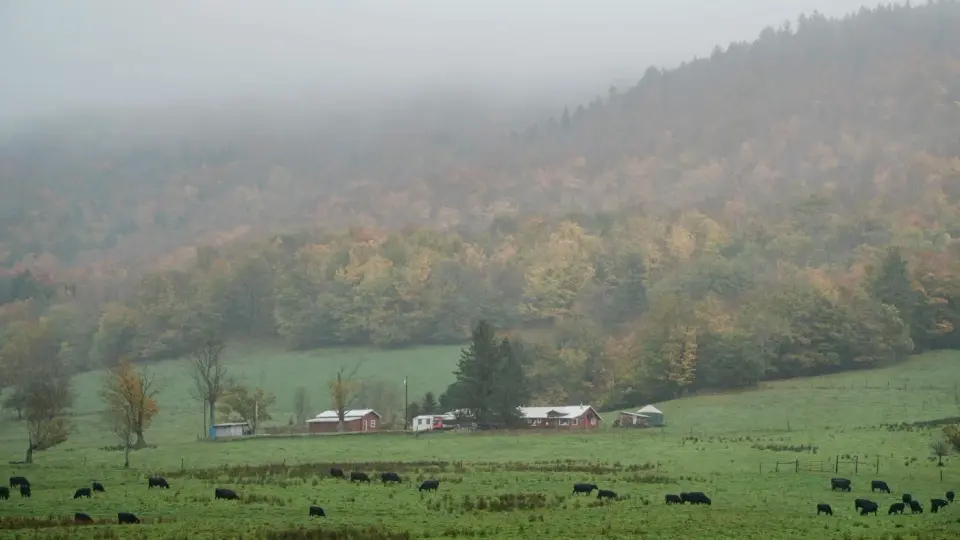
West Virginia faces intense conflict over data center development, as state laws strip local control while residents fear environmental damage and historical exploitation. The Ridgeline project in Tucker County is a focal point, with opponents citing pollution risks and a conflict of interest involving the state House Speaker. Local governments are attempting to regain oversight through resolutions and ordinances, but state law limits their authority. The issue is driving voter turnout in the 2026 midterms, with Democrats arguing that data centers threaten clean water and community autonomy.
Key points
- Fundamental Data LLC plans a 785-megawatt power plant and data center campus in Tucker County, potentially expanding to 10,000 acres, which opponents argue will undo environmental recovery efforts in the Monongahela National Forest region.
- House Bill 2014, signed by Gov. Patrick Morrisey in April 2025, exempts high-impact data centers from local zoning and environmental regulations, transferring oversight to the state Department of Commerce and stripping local governments of authority.
- Residents in Tucker County, including Davis Mayor Alan Tomson and group Tucker United, oppose the Ridgeline project, citing air and water pollution risks, light pollution that could increase sky glow near Blackwater Falls by 528%, and a conflict of interest involving House Speaker Roger Hanshaw, who represents Fundamental Data through his law firm.
- Local governments in Putnam, Berkeley, and Charleston counties are attempting to assert oversight through resolutions and ordinances, but state law limits their enforceability, leading to calls for constitutional challenges and increased voter engagement in the 2026 midterms.
- Supporters, including Tucker County Sheriff Jake Kopec and state officials, argue that data centers will create jobs and tax revenue, while opponents warn of environmental degradation and a repeat of past extractive industries like logging and coal mining.
Background
West Virginia has a history of extractive industries, including logging and coal mining, which led to environmental degradation and economic decline. The state has since focused on tourism and conservation, with areas like Canaan Valley and Blackwater Falls becoming popular for outdoor recreation and dark-sky tourism. The current data center boom is seen by some as a new form of extractive industry, threatening the environmental recovery and community identity that has developed over the past century.
How outlets are covering it
NPR emphasizes the environmental and social impact of the Ridgeline project, highlighting the concerns of local residents and the lack of transparency in the approval process. WV MetroNews focuses on the political implications, noting that data centers and transmission lines are driving voter turnout in the 2026 midterms, with Democrats arguing that House Bill 2014 undermines local control. Mountain State Spotlight details the efforts of local governments to assert oversight through resolutions and ordinances, while also highlighting the challenges posed by state law. The Yahoo commentary provides a broader perspective on West Virginia's environmental history, arguing that sustainable land use is essential for long-term prosperity and warning against the potential for environmental degradation from data centers.
Why it matters
The data center debate in West Virginia reflects a broader national tension between economic development and environmental protection, as well as the struggle for local control in the face of state and corporate power. The outcome of the 2026 midterms could determine the future of data center development in the state, with potential implications for environmental health, community autonomy, and economic growth. The conflict also highlights the need for transparency and accountability in the approval process for large-scale infrastructure projects.
What to watch
The 2026 midterm elections will likely see increased voter turnout in West Virginia, with data centers and transmission lines as key issues. Local governments may continue to attempt to assert oversight through resolutions and ordinances, while opponents of data centers may pursue legal challenges to House Bill 2014. The state may also see further developments in data center projects, with potential environmental and social impacts depending on the outcome of the elections and the implementation of state regulations.
- Plans for a data center threaten scenic wilderness and dark skies in West Virginia NPR
- MetroNews Decision 2026: Data centers, transmission lines highlight issues driving voter turnout in West Virginia WV MetroNews
- Data center construction continues despite local pushback Mountain State Spotlight
- Commentary: West Virginia stewardship is key to our prosperous future Yahoo
- Berkeley County passes Comprehensive Plan, floats plan for ordinance on data centers journal-news.net
Want the full story? Read the original reporting
Read on NPR