
Wright claims Hormuz oil flows exceed pre-war levels, but trackers dispute the math
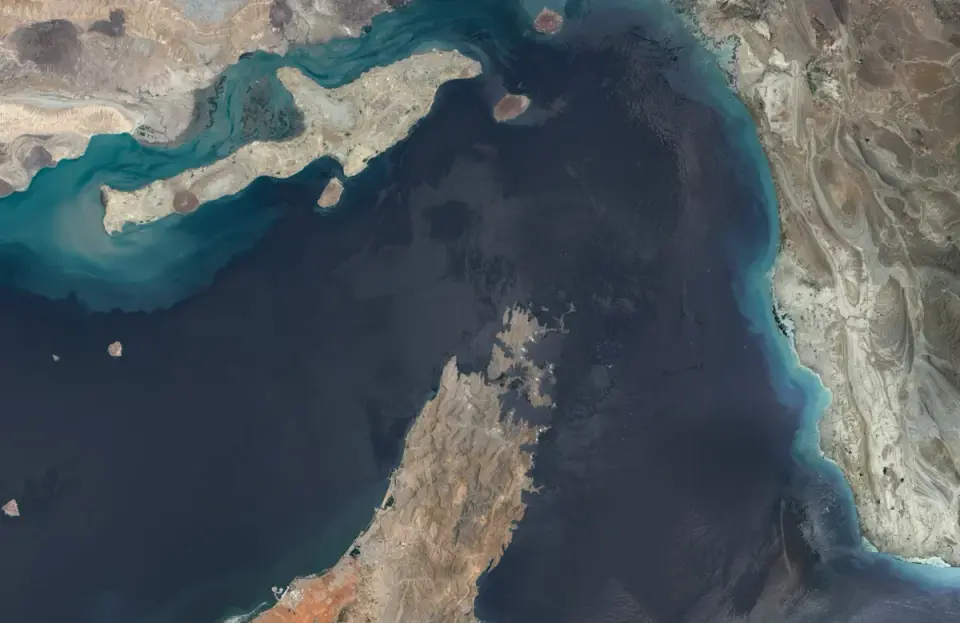
U.S. Energy Secretary Chris Wright stated that oil exports through the Strait of Hormuz reached a wartime record of over 17 million barrels per day on Monday, surpassing pre-war levels when bypass pipelines are included. However, independent tracking firms report that actual volumes remain significantly below pre-war averages, with recent data showing a sharp decline after renewed hostilities. While the administration cites military-protected shipping corridors and new Venezuelan investments as signs of progress, experts warn that fuel prices remain high and geopolitical tensions continue to disrupt supply chains.
Key points
- Energy Secretary Chris Wright told CNBC that over 17 million barrels of oil transited the Strait of Hormuz on Monday, a record since the war began in February.
- Wright claimed that including Saudi and UAE bypass pipelines, total regional exports exceeded pre-war levels of approximately 20 million barrels per day.
- Independent tracker TankerTrackers.com estimates only 9.14 million barrels exited the Arabian Sea on Monday, well below pre-war volumes, and noted a drop to 4.63 million barrels by September 2.
- The U.S. military has established a shipping corridor along Oman’s coast, allowing tankers to transit Hormuz at night with transponders off to avoid attacks.
- Chevron announced a $7 billion investment in Venezuela over five years, aiming to double production to 600,000 barrels per day, though experts say this will not impact prices for years.
- U.S. gasoline prices reached $4.12 per gallon, a record high for a Labor Day weekend, while diesel prices approached an all-time record of $5.82 per gallon.
Background
This dispute follows months of escalating conflict between the U.S. and Iran, which began in late February 2026. Previous reports indicated that Hormuz traffic had dwindled to a trickle, with Iran rejecting U.S. claims of control over the waterway. The current disagreement over transit volumes occurs amid renewed strikes and a collapsed ceasefire framework, with oil prices fluctuating between $87 and $95 per barrel in recent weeks.
How outlets are covering it
CNBC and the White House emphasize Wright’s claim that oil flows have surpassed pre-war levels, citing military data and the success of the U.S.-protected shipping corridor. In contrast, Fortune and independent analysts like TankerTrackers.com argue that the administration is miscounting ship-to-ship transfers over multiple days as single-day volumes. WBAL-TV highlights that despite these claims, fuel prices remain at record highs, and experts like Patrick De Haan note that geopolitical tensions and slow Venezuelan infrastructure development will prevent significant price relief in the near term.
Why it matters
The discrepancy between official government data and independent tracking affects global oil markets and consumer fuel costs. If the administration’s optimistic view is incorrect, it may lead to miscalculations in energy policy and reserve management. High diesel and gasoline prices continue to impact transportation, agriculture, and consumer goods, with experts warning that seasonal price drops could be erased by renewed geopolitical instability.
What to watch
Analysts expect oil prices to remain volatile as the U.S. and Iran continue to trade strikes. The administration may push for further regulatory changes to lower fuel costs, while independent trackers will continue to monitor actual transit volumes. Long-term relief from Venezuelan investments is not expected for several years, and seasonal price drops in the fall may be offset by ongoing geopolitical tensions.
- Divide between energy trackers and the White House deepens over how much oil is getting through the Strait of Hormuz Yahoo Finance
- Energy Secretary Chris Wright tells CNBC more than 17 million barrels of oil transited Hormuz on Monday CNBC
- Trump administration says more oil left Hormuz this week than before war, but data says otherwise Fortune
- Hormuz oil flows improve as Venezuela investment grows, but gas relief lags WBAL-TV
- Us Strikes Iran: US struck 60 targets as 40 vessels, 18mn barrels of oil crossed Hormuz in record day: Report The Times of India
Want the full story? Read the original reporting
Read on Yahoo Finance