
Trump Signals New Iran Talks Despite Rejecting Ceasefire Deal
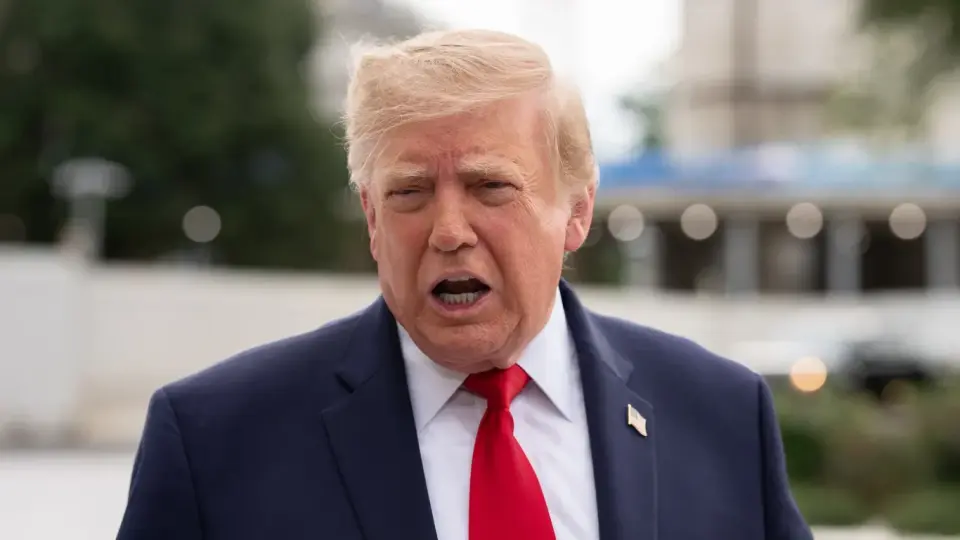
President Trump expects renewed indirect negotiations with Iran this week, despite rejecting Tehran's latest proposal to reopen the Strait of Hormuz. While the US demands nuclear concessions, Iran seeks the lifting of naval blockades and sanctions. Qatari mediators are actively shuttling between both sides to bridge the gap, with new dialogue potentially beginning as early as Monday.
Key points
- Trump rejected Iran's proposal on Saturday, which included reopening the Strait of Hormuz and resuming nuclear talks within a week in exchange for lifting the US naval blockade and sanctions.
- In a Sunday phone interview, Trump stated he expects more talks this week but criticized Iran's offer as outdated, saying, 'They overplayed their hand.'
- When asked about resuming military strikes, Trump responded, 'I am always thinking about it,' though he did not commit to immediate action.
- The US military facilitated the transit of over 20 million barrels of oil through the Strait of Hormuz over the weekend, the largest volume since the war began in February.
- Iranian Foreign Minister Abbas Araghchi confirmed Tehran still seeks a diplomatic solution and is waiting for an official response through mediators, noting that US midterm elections are not a factor in their calculations.
Background
This development follows months of escalating tensions, including US strikes in September and a prolonged naval blockade. Previous reports indicated that Iran's internal power struggles and economic deterioration under sanctions were key factors in their negotiating stance. The current standoff continues a pattern of indirect dialogue mediated by Qatar, which has been active since the UN General Assembly in September.
How outlets are covering it
Axios and USA Today both report that Trump expects talks this week but highlight different aspects of the stalemate. Axios emphasizes the specific gap between US demands for nuclear concessions and Iran's focus on the Strait of Hormuz and sanctions. USA Today contextualizes the negotiations within the upcoming November midterm elections, noting that higher gas prices from the conflict are a top issue for voters. Both sources confirm that Qatari mediators are actively working to bridge the divide, with Axios detailing a compromise proposal being reviewed by both sides.
Why it matters
The outcome of these negotiations will directly impact global oil supplies and prices, as the Strait of Hormuz is a critical artery for one-fifth of the world's oil. A failure to reach a deal could lead to renewed military strikes, further destabilizing the region and affecting energy markets ahead of the US midterm elections.
What to watch
Qatari mediators are expected to meet separately with Iranian Foreign Minister Abbas Araghchi and US envoy Steve Witkoff as early as Monday to discuss changes to the proposal. The success of these indirect talks will determine whether a formal agreement is reached or if the conflict escalates further.
- After nixing Iran proposal, Trump tells Axios he expects talks this week Axios
- Trump expects Iran negotiations to continue after rejecting ceasefire proposal USA Today
- Trump Says US Expects Talks With Iran This Week: Axios bloomberg.com
- Trump: Indirect ceasefire talks between US, Iran to continue this week - report The Jerusalem Post
- Trump: Talks with Iran will likely resume this week The Times of Israel
Want the full story? Read the original reporting
Read on Axios