
Federal Data Infrastructure Faces Systemic Erosion Under Trump Administration
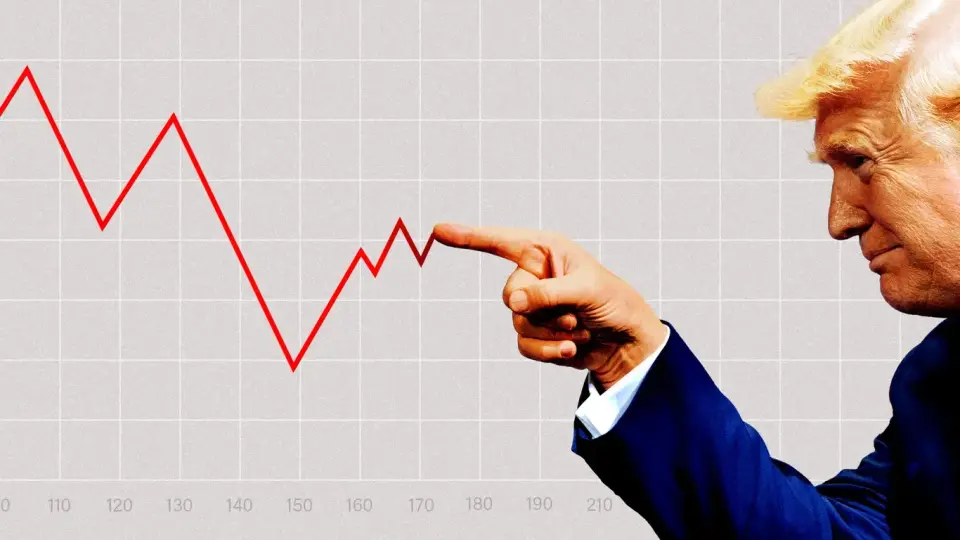
The Trump administration is increasingly politicizing federal data collection and reporting across multiple agencies. Recent moves include the CDC removing references to measles deaths, the Commerce Department stripping scientific integrity protections from the Census Bureau, and the EEOC planning to end demographic data collection. Critics warn this undermines essential government functions, while the White House defends the changes as removing ideological bias.
Key points
- HHS Secretary Robert F. Kennedy Jr. requested the CDC remove references to two Pennsylvania measles deaths from its online tally, despite prior acceptance of state officials' explanations linking the deaths to measles.
- The Commerce Department removed language barring political interference from its scientific integrity policy, following a Census Bureau report claiming 24,000 noncitizens voted in 2020, which included officials with ties to the America First Institute.
- The Equal Employment Opportunity Commission plans to discontinue the EEO-1 reports, which have collected workforce demographic data for 60 years to enforce anti-discrimination laws, citing burdens on employers.
- A tracker by former federal data scientists indicates 38 datasets have been eliminated since Trump returned to office, with hundreds more altered or disrupted, including immigration enforcement statistics from DHS.
- White House spokesman Kush Desai stated the administration aims to provide accurate data while refusing to fund 'ideological pet projects,' contrasting with critics who describe the changes as unprecedented politicization.
Background
This escalation follows previous concerns about data integrity, such as Trump firing the Bureau of Labor Statistics head after disappointing jobs numbers in 2025. It also aligns with broader administrative efforts to control government information, including the removal of comprehensive immigration statistics. The current moves extend these trends to public health, census data, and workplace discrimination metrics, reflecting a shift toward ideological alignment in federal reporting.
Why it matters
Reliable, unbiased data is foundational to federal operations, including benefit distribution, law enforcement, and public health responses. The erosion of data integrity threatens the accuracy of policies and public trust in government institutions, potentially impacting everything from anti-discrimination enforcement to pandemic response efforts.
What to watch
The EEOC is expected to formally cease EEO-1 data collection, while the CDC may further adjust its public health reporting. The Commerce Department's removal of scientific integrity protections could lead to further politically influenced reports from the Census Bureau and other agencies. Ongoing monitoring by independent trackers will likely reveal additional dataset eliminations or alterations.
Want the full story? Read the original reporting
Read on Axios