Tag

Census Bureau

All articles tagged with #census bureau

economy3 days ago

U.S. Trade Deficit Surges to $105.6 Billion in August as Imports Outpace Exports

The U.S. goods and services deficit widened to $105.6 billion in August, up from $92.8 billion in July. Imports rose 4.3% to $420.8 billion, while exports increased 1.4% to $315.2 billion. The goods deficit expanded by $12.8 billion, driven by higher imports of industrial supplies and capital goods, while the services surplus remained stable at $31.0 billion. Year-to-date, the deficit fell 19.9% compared to 2025, but August marked a sharp monthly reversal.


Census 2025: Real incomes rise and poverty fall amid mixed signals
economy24 days ago

Census 2025: Real incomes rise and poverty fall amid mixed signals

Real median household income rose 2.6% in 2025 to $87,460, while the official poverty rate fell to 10.2%, according to Census Bureau data released as the Fed weighs whether to keep rates high amid inflation. The gains appear linked to an improving labor market, with poverty declines concentrated among working-age families and those with children; the data cover 2025 and do not reflect more recent inflation shifts or the effects of policy changes like SNAP adjustments slated under the new tax law.

Midsized U.S. Cities Hold Growth Steady as Big Cities Slow
data-and-statistics4 months ago

Midsized U.S. Cities Hold Growth Steady as Big Cities Slow

According to Census Bureau Vintage 2025 estimates, U.S. midsized cities (pop 20,000–249,999) posted steady growth between 2024 and 2025 amid a national slowdown, while the largest cities slowed or declined (e.g., New York City down 12,196). Suburban midsized areas led gains—Celina, TX rose 24.6% and Fort Mill, SC about 6.8%—indicating growth is shifting toward surrounding communities. Housing stock reached 148.3 million in 2025 (+1.0%), with Idaho posting the fastest annual housing growth and regional trends showing stronger gains in the South and West and weaker in the Northeast. The release also highlights the fastest-growing cities and largest numeric gains across the country.

Border Regions Drive Sharp Slowdown in 2025 U.S. Metro Growth
society6 months ago

Border Regions Drive Sharp Slowdown in 2025 U.S. Metro Growth

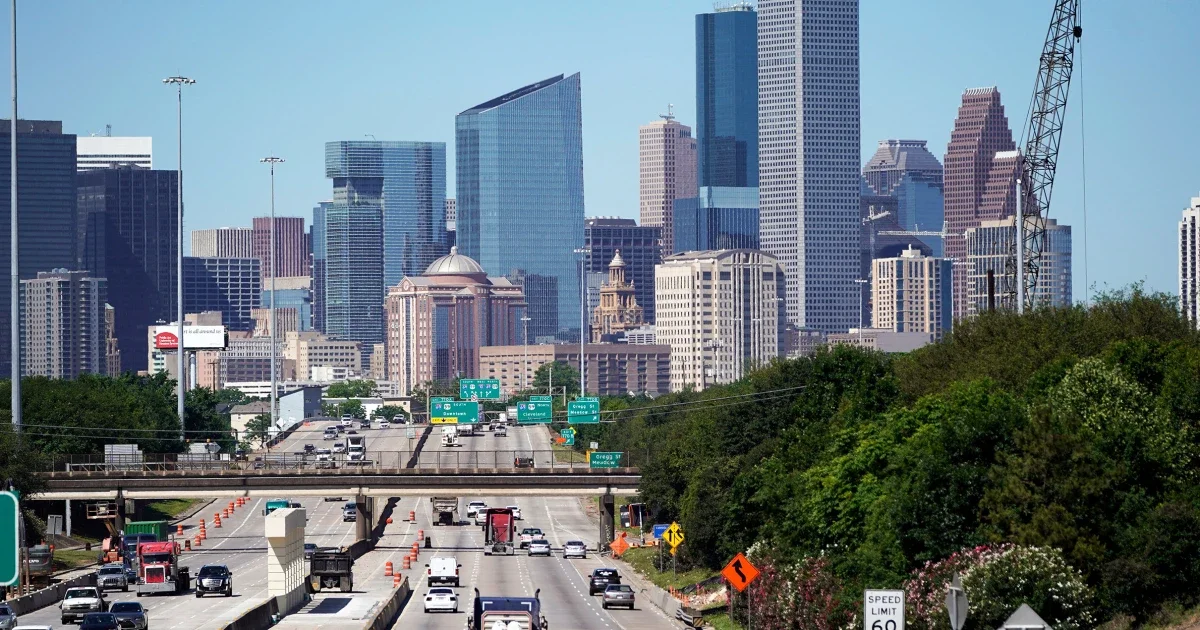
New Census Bureau estimates show U.S. metro-area population growth slowed to about 0.6% in 2025, with the steepest declines along the U.S.–Mexico border as immigrant inflows dropped, and Florida’s Gulf Coast counties losing residents after Hurricanes Helene and Milton. Nine of ten counties saw lower immigration in 2025 than in 2024, while growth leaders shifted to Houston, Dallas–Fort Worth, Atlanta, Phoenix and Charlotte. Despite the slowdown, births outpaced deaths in places like New York, underscoring shifting demographic dynamics that shape long-term urban growth.

Immigration slump drags US population growth to pandemic-era lows
demographics-and-population6 months ago

Immigration slump drags US population growth to pandemic-era lows

US population growth slowed to its weakest pace since the Covid-19 era as net international migration plunged by more than 50% in 2024-25, leaving the population at about 342 million after a 1.8 million increase. County data show most areas slowed or posted losses (roughly 40% of counties experienced net outflows); large cities that rely on international arrivals are seeing growth stall amid affordability-driven domestic outmigration, with New York City’s international inflows down sharply while domestic migration rose. Growth is strongest in some southern counties near Dallas and Houston. Economists warn the immigration drop could have lasting economic costs, potentially reducing consumer spending and GDP growth as immigrant inflows support the labor force and entrepreneurship.

U.S. Population Growth Slows as Net Migration Dives
demographics8 months ago

U.S. Population Growth Slows as Net Migration Dives

U.S. population grew 1.8 million (0.5%) from July 2024 to July 2025, the slowest pace since the pandemic, driven mainly by a historic drop in net international migration (2.7 million to 1.3 million); births and deaths were relatively stable. Growth slowed across regions and states, with the Midwest the only region where all states gained population and South Carolina the fastest-growing state, while Puerto Rico declined. Net international migration is projected to fall further, to about 321,000 by July 2026.

U.S. population hits 342 million as immigration crackdown slows growth
us-news8 months ago

U.S. population hits 342 million as immigration crackdown slows growth

Census Bureau estimates show the United States reached nearly 342 million in 2025, with overall growth slowing to about 0.5% from roughly 1% in 2024, driven largely by a drop in immigration. Immigration added about 1.3 million people in 2025, down from 2.8 million in 2024. California posted a net population loss, while the South continued to grow and births exceeded deaths by 519,000. The data, covering July 2024–July 2025, reflect early effects of enforcement surges and are being weighed for their broader economic and regional impacts, though officials say the numbers appear credible despite concerns about political interference at some agencies.

US Income and Poverty Remain Largely Unchanged in 2024
economy1 year ago

US Income and Poverty Remain Largely Unchanged in 2024

In 2024, the median household income in the U.S. was $83,730, with no significant change from 2023, and the poverty rate slightly decreased to 10.6%. Most Americans (92%) had health insurance, primarily through employment, with slight shifts in coverage types. The Supplemental Poverty Measure was 12.9%, with Social Security remaining the largest anti-poverty program. Income inequality remained stable, and disparities persisted across racial groups and gender earnings.

Illegal Immigrant Population Declines by 1.6 Million Under Trump
politics1 year ago

Illegal Immigrant Population Declines by 1.6 Million Under Trump

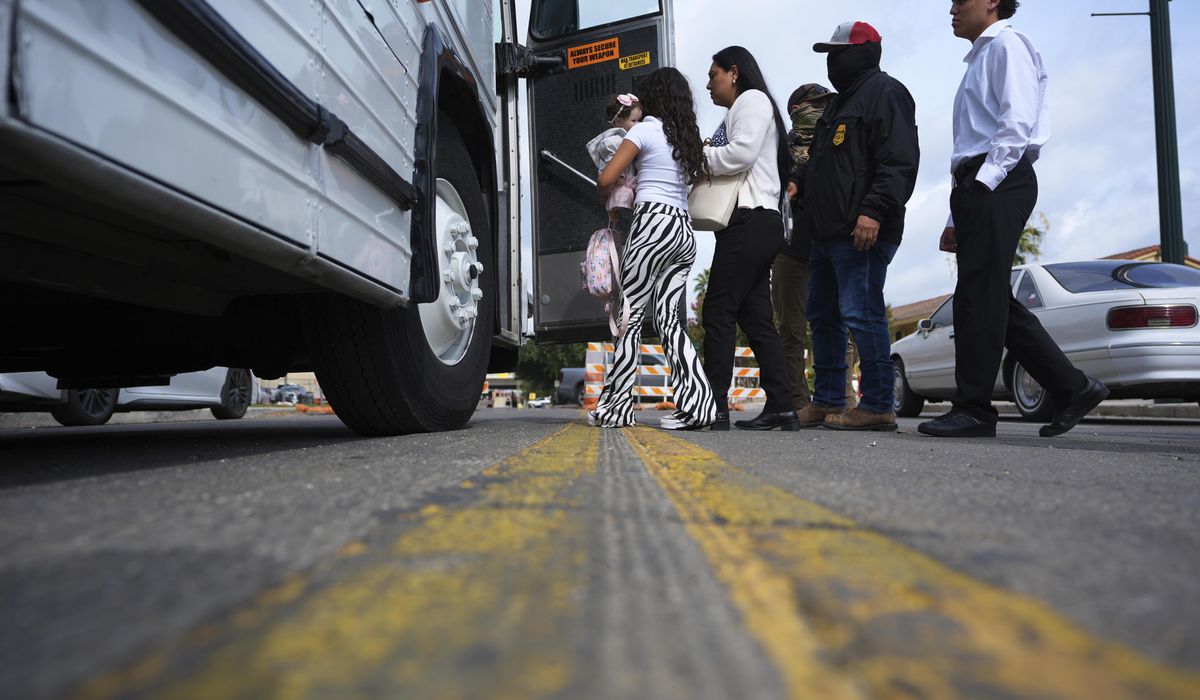
The illegal immigrant population in the U.S. has decreased by 1.6 million under Trump's administration, driven by increased enforcement and deportations, marking a significant reversal from the surge during Biden's years. This decline could lead to economic and social impacts, including reduced workforce in certain sectors and potential population decline in the U.S.