
US clocks fall back as permanent daylight saving bill faces expiration
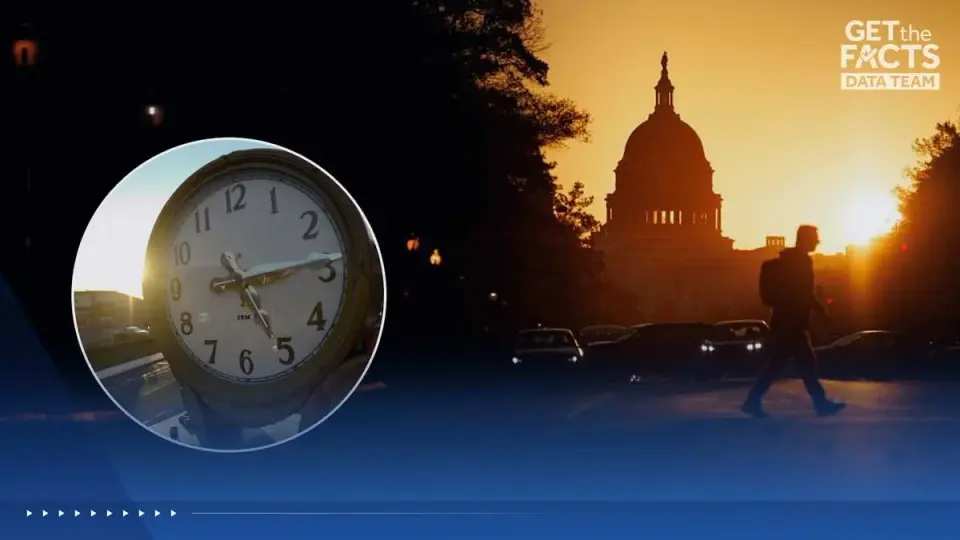
Most of the United States ended daylight saving time at 2 a.m. on Nov. 1, 2026, reverting to standard time and granting an extra hour of sleep. While the shift brings earlier sunrises, the debate over making daylight saving permanent remains unresolved. The Sunshine Protection Act passed the House in July but is stalled in the Senate, with health experts favoring standard time for circadian health and advocates supporting permanent daylight saving for evening light.
Key points
- Daylight saving time ended at 2 a.m. local time on Nov. 1, 2026, as clocks 'fell back' one hour.
- The Sunshine Protection Act, which would make daylight saving time permanent, passed the House 308-117 in July but remains stalled in the Senate.
- President Trump has publicly supported the bill, accusing Sen. Tom Cotton of blocking progress, while Cotton cites historical failures of permanent daylight saving.
- Health experts and medical organizations argue that standard time better aligns with circadian rhythms, whereas advocates prefer permanent daylight saving for extended evening daylight.
- Hawaii and most of Arizona, excluding the Navajo Nation, do not observe daylight saving time, continuing to follow standard time year-round.
Background
The U.S. first adopted daylight saving time in 1918 to conserve energy, though it was repealed the following year. It was reintroduced during World War II and standardized by the Uniform Time Act in 1966. A trial of year-round daylight saving time in the 1970s failed due to public opposition, particularly regarding children commuting in the dark. Recent legislative efforts to end the twice-yearly clock change have faced significant hurdles in the Senate, with the current 119th Congress set to expire in January 2027.
How outlets are covering it
WESH and CBS News emphasize the immediate impact of the time change and the political stalemate surrounding the Sunshine Protection Act, noting that the bill may expire with the current Congress. CBS News highlights President Trump's direct confrontation with Sen. Tom Cotton, who opposes the bill due to concerns about late sunrises. Scientific American focuses on the health implications, noting that while the fall transition is less disruptive than the spring change, standard time is generally preferred by medical experts for circadian alignment. The Los Angeles Times contrasts the political push for permanent daylight saving with scientific arguments for permanent standard time, noting that California voters previously approved ending daylight saving but failed to implement it due to federal requirements.
Why it matters
The outcome of the Sunshine Protection Act will determine whether Americans continue to adjust their clocks twice a year or adopt a permanent time zone. This decision has significant implications for public health, safety, and daily routines, as the debate highlights conflicting priorities between maximizing evening daylight and maintaining circadian rhythm alignment. The potential expiration of the bill in January 2027 could force a restart of the legislative process, prolonging the uncertainty for years.
What to watch
The next daylight saving time change is scheduled for March 14, 2027. The fate of the Sunshine Protection Act will depend on Senate action before the current Congress expires in January 2027. If the bill fails to pass, the effort to change daylight saving time will need to start over in the new Congress. Public opinion and health expert recommendations may influence future legislative attempts to resolve the issue.
- Search your ZIP code: How sunrises look under permanent daylight saving time WESH
- Daylight saving time 2026 ended today. Here's what time the clocks changed and more key details. CBS News
- Opinion | Why daylight saving time should be eliminated entirely The Washington Post
- How to ‘fall back’ this weekend without losing your mind Scientific American
- Daylight saving time ends tonight. Here’s when to set your clocks back Los Angeles Times
Want the full story? Read the original reporting
Read on WESH