
Judge Rejects DOJ Bid to Segregate Alaska Senate Ballots
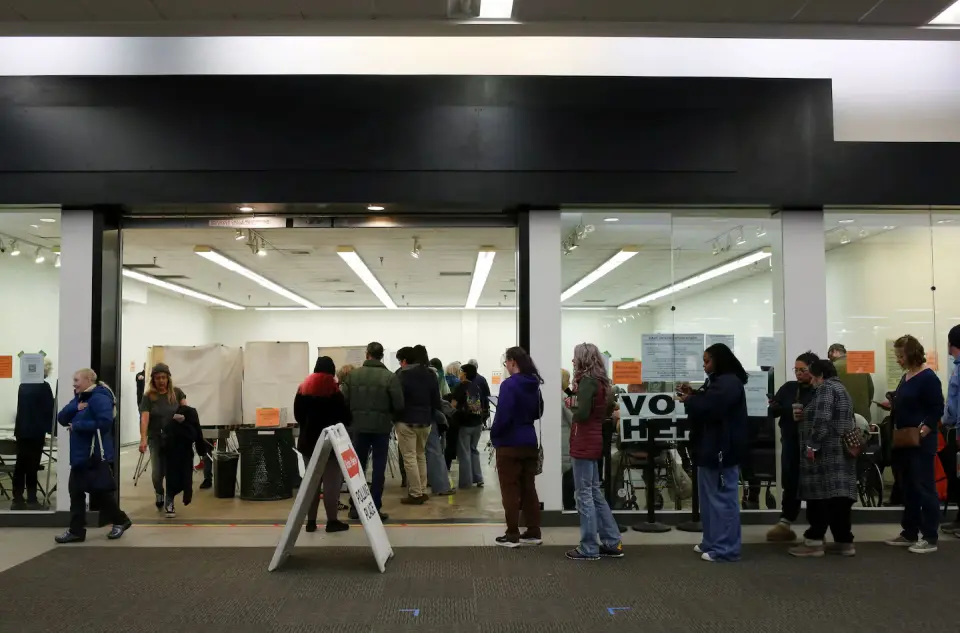
A federal judge dismissed the Trump administration’s lawsuit seeking to block the certification of Alaska’s U.S. Senate race. The Justice Department had argued that ballots for a second candidate named Dan Sullivan should be segregated to prevent vote dilution for incumbent Dan S. Sullivan. The court ruled that the federal government lacked standing to intervene and that such measures would violate voter secrecy rights. This decision follows a rapid legal escalation involving allegations that the Democratic campaign recruited a look-alike candidate to confuse voters.
Key points
- US District Judge Sharon Gleason ruled on Sunday that the federal government does not have the standing to force Alaska to segregate ballots in the Senate race.
- The Justice Department filed its lawsuit on October 22, adding a request on Friday to separate ballots potentially impacted by voter confusion.
- Alaska’s attorney general argued that the state’s ballot design minimizes confusion and that physically separating ballots is impossible due to voter secrecy laws.
- The dispute centers on allegations that Democratic nominee Mary Peltola’s campaign recruited retired teacher Dan J. Sullivan to dilute support for incumbent Dan S. Sullivan.
- Judge Gleason noted that it is too late to implement such major changes on the eve of the election and that the DOJ provided no workable plan for preserving voter secrecy during an investigation.
Background
This legal battle is part of a broader pattern of federal challenges to the 2026 midterms, which courts have largely rejected as legally weak. Previous coverage noted that President Trump demanded the disqualification of Peltola, labeling the ballot stacking tactic as election fraud. Legal experts and Peltola’s campaign have argued that the tactic is not illegal under Alaska’s open ballot system and that the state Supreme Court had approved the second candidate’s name months prior. The race remains a critical toss-up that could determine Senate control.
How outlets are covering it
The Washington Post highlighted the Alaska government’s argument that the DOJ’s demands are inappropriate and impossible given voter secrecy rights. CNN focused on the judge’s ruling, emphasizing that the federal government lacks standing and that the timing makes the request unworkable. While the Post noted the state’s defense of its ballot design, CNN stressed the legal rebuke to the administration’s broader attempts to meddle in the midterms. Both sources agree that the court rejected the federal bid, but the Post emphasized the state’s legal filing while CNN focused on the judicial outcome and the judge’s reasoning regarding voter secrecy.
Why it matters
The ruling prevents a federal intervention that could have delayed or altered the certification of a pivotal Senate race. It reinforces the principle that state election officials, not federal agencies, manage ballot certification and voter secrecy. The decision also sets a precedent against last-minute federal attempts to disrupt election processes, potentially influencing similar challenges in other states during the 2026 midterms.
What to watch
Alaska will proceed with the certification of the Senate race results as planned. The Justice Department may appeal the decision or pursue other legal avenues, but the immediate threat to ballot segregation has been removed. The outcome of the race will be determined by the votes cast, with no federal intervention to segregate ballots for the second Dan Sullivan candidate.
- Alaska asks judge to deny Trump administration’s demand to set aside Senate ballots The Washington Post
- Inside the Times’s Decisions on the Alaska Senate Race Story The New York Times
- Judge throws out DOJ attempt to delay certification of Alaska Senate race CNN
- Sen. Dan Sullivan says he will accept Alaska’s election results even if he doesn’t win The Washington Post
- Attorneys for Alaska say 'meritless' Trump demand to set aside Senate ballots 'not even possible' PBS
Want the full story? Read the original reporting
Read on The Washington Post