
Florida Property Tax Amendment Faces Legal Challenge and Budgetary Trade-offs
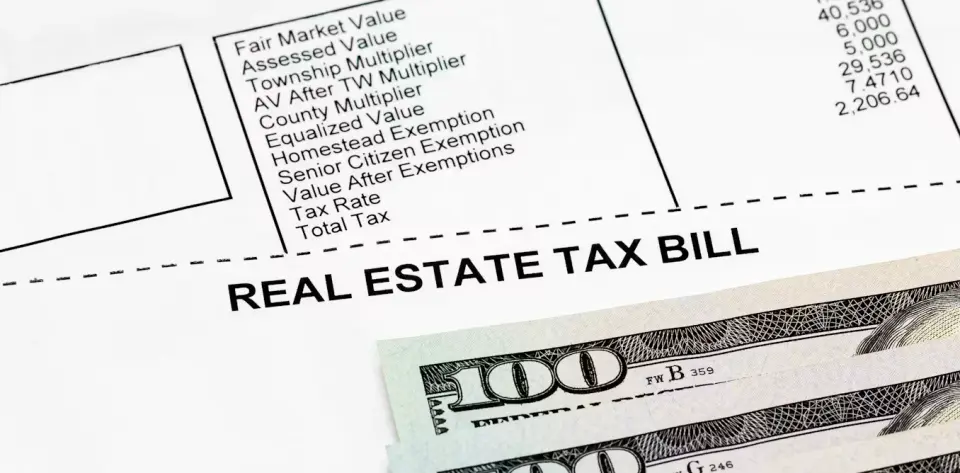
Florida voters will decide on Amendment 3, a property tax reduction measure, on November 3. The amendment requires a 60% approval rate to pass. While it lowers taxes for existing homeowners, it shifts costs to businesses and non-homestead properties, potentially reducing local government revenue by $11.8 billion annually. Legal challenges question the neutrality of the ballot language.
Key points
- Amendment 3 increases the homestead tax exemption from $50,000 to $150,000 in 2027 and $250,000 in 2028 for current homeowners.
- The measure caps annual property assessment increases for non-homestead and commercial properties at 5%, down from 10%.
- Florida’s Revenue Estimating Conference estimates the amendment will reduce property tax revenue by $11.8 billion per year.
- Opponents argue the ballot title, 'Save Our Homes from Excessive Property Taxes,' uses emotional and misleading language.
- Local governments may raise other taxes or cut services to offset the loss in property tax revenue.
Background
This debate follows a broader national trend of property tax reforms since 2020. Florida’s proposal is part of a larger movement to address rising living costs, though it primarily benefits long-time homeowners. The state’s lack of income tax makes local property taxes critical for funding services like police, fire, and schools.
How outlets are covering it
The Conversation and The Center Square highlight the financial trade-offs, noting that while homeowners benefit, businesses and landlords may face higher taxes. FOX 13 Tampa Bay and the Tallahassee Democrat focus on the legal battle over the ballot language, with plaintiffs arguing it is biased and misleading. The state defends the language as clear and neutral. The Florida Fire Chiefs’ Association opposes the amendment due to concerns over emergency services funding.
Why it matters
The outcome of Amendment 3 will significantly impact local government budgets and services across Florida. If passed, it could lead to reduced funding for essential services or increased taxes in other areas, affecting all residents. The legal challenge also raises questions about the fairness and transparency of ballot language in future elections.
What to watch
Judge David Frank will rule on the legal challenge to the ballot language after reviewing proposed orders submitted by August 3. If the language is changed, the Attorney General has 10 days to correct it. Voters will decide on Amendment 3 on November 3, with mail ballots potentially starting to be printed in late August.
- Florida’s proposed property tax amendment will require trade-offs – and some residents could end up with higher costs The Conversation
- Court battle begins over property tax ballot language FOX 13 Tampa Bay
- Florida property tax amendment reads like 'political flyer,' court told Tallahassee Democrat
- Florida court weighs challenge to Amendment 3 ballot language The Center Square
- Judge weighs challenge to ballot language in Florida property tax amendment wusf.org
Want the full story? Read the original reporting
Read on The Conversation