
25 Years After 9/11: Assessing the Long-Term Costs of the War on Terror
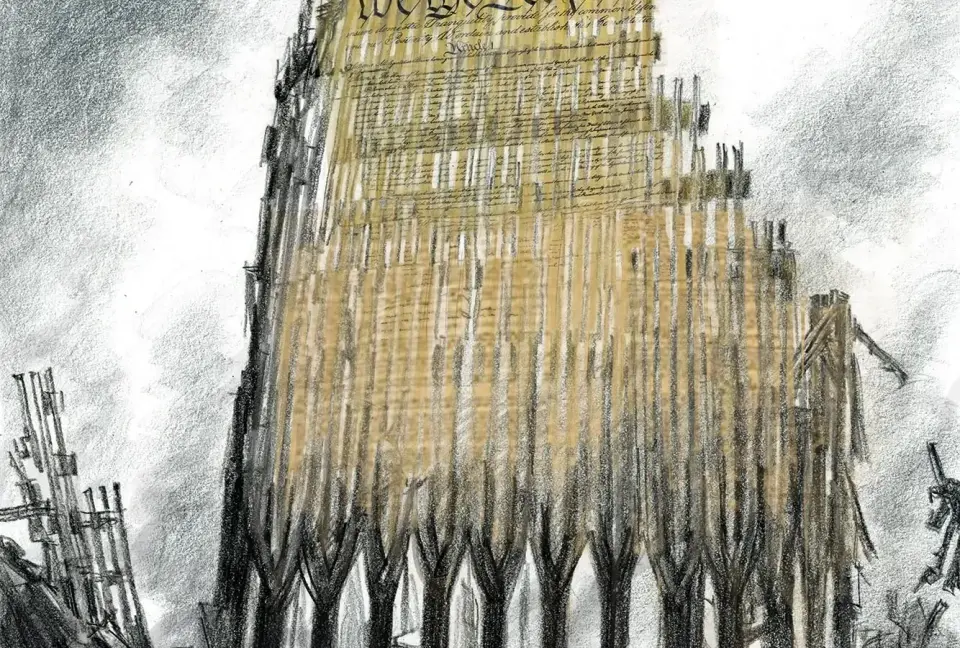
Marking the 25th anniversary of the September 11 attacks, major outlets are evaluating the legacy of the post-9/11 era. While the US successfully prevented another large-scale domestic attack, critics argue the 'War on Terror' was strategically unwinnable and has resulted in massive human and financial costs. The consensus is that while military objectives were partially met, the ideological and political goals were largely failed, leading to a more fragmented global threat landscape and deep domestic polarization.
Key points
- Brown University’s Costs of War project estimates that US-led wars since 2001 have killed 4.5 to 4.7 million people and displaced over 38 million.
- Experts like Bruce Hoffman and Colin Clarke argue the 'War on Terror' was defined by an impossible standard, making victory unachievable, though it successfully prevented major domestic attacks.
- The US has spent approximately $8 trillion on these conflicts, including $2.2 trillion reserved for veteran care, with interest costs projected to exceed war spending by 2030.
- Terrorism has evolved from centralized groups like Al Qaeda to decentralized, 'salad bar' extremism, with ISIS and Al Qaeda spawning numerous offshoots across multiple continents.
- Domestic political polarization has intensified, with some analysts linking the post-9/11 security framework to the rise of nativist movements and the erosion of liberal democratic norms.
Background
The 25th anniversary of the September 11, 2001 attacks, has prompted a broad reassessment of the subsequent two decades of US foreign policy. The 'War on Terror,' initiated by President George W. Bush, led to invasions of Afghanistan and Iraq, as well as drone campaigns in Pakistan, Yemen, and Somalia. While the immediate goal of preventing another catastrophic domestic attack was achieved, the broader strategic objectives have been debated. The period is marked by significant financial expenditure, human casualties, and a shift in the nature of global terrorism, which has become more fragmented and ideologically diverse.
How outlets are covering it
Rolling Stone’s Matt Bai argues that the terrorists may have 'won' by destabilizing American society, leading to a erosion of constitutional protections and a rise in nativist politics, including the election of Donald Trump. He suggests that the 'War on Terror' focused societal anxiety toward an identifiable enemy, fracturing the post-Cold War consensus. In contrast, The New Yorker’s Robin Wright emphasizes that the war was 'never winnable' due to its abstract nature, noting that while the US prevented major domestic attacks, it failed to defeat Al Qaeda’s ideology or counter its narrative. Al Jazeera highlights the human cost, citing 4.5 million deaths and 38 million displaced people, and notes the ongoing displacement of Afghans and Iraqis. All three sources agree that the post-9/11 era has been marked by significant financial and human costs, but they differ on whether the primary failure was strategic (New Yorker), societal (Rolling Stone), or humanitarian (Al Jazeera).
Why it matters
The 25-year assessment of the 'War on Terror' reveals that while the US achieved tactical successes in preventing domestic attacks, it failed to achieve strategic stability. The ongoing costs, both financial and human, continue to impact global security and domestic politics. The evolution of terrorism into a more decentralized and ideologically diverse threat suggests that the challenges of the post-9/11 era are not resolved, and the legacy of these wars will continue to shape US foreign policy and domestic politics for years to come.
What to watch
The US is scheduled to withdraw its last forces from Iraq, but the threat of terrorism remains complex and diffuse. The State Department now lists five times as many extremist groups as in 2001, and the rise of 'salad bar' extremism, where individuals pick and choose grievances from across the ideological spectrum, poses new challenges. The financial burden of veteran care and war debt will continue to impact the US economy, with interest costs projected to exceed war spending by 2030. The ongoing conflict in the Middle East, including the US-Israel war against Iran, suggests that the 'War on Terror' is far from over.
- It’s Been 25 Years Since 9/11. Did the Terrorists Win? Rolling Stone
- Opinion | How a Heroic Response Went Awry The New York Times
- ‘Everything changed’: The human cost of 25 years of US wars Al Jazeera
- A Quarter Century of Pain theatlantic.com
- The U.S. Was Never Going to Win the “War on Terror” The New Yorker
Want the full story? Read the original reporting
Read on Rolling Stone