
Alito's Last-Minute Recusal Sets Stage for 4-4 Split in Landmark Climate Case
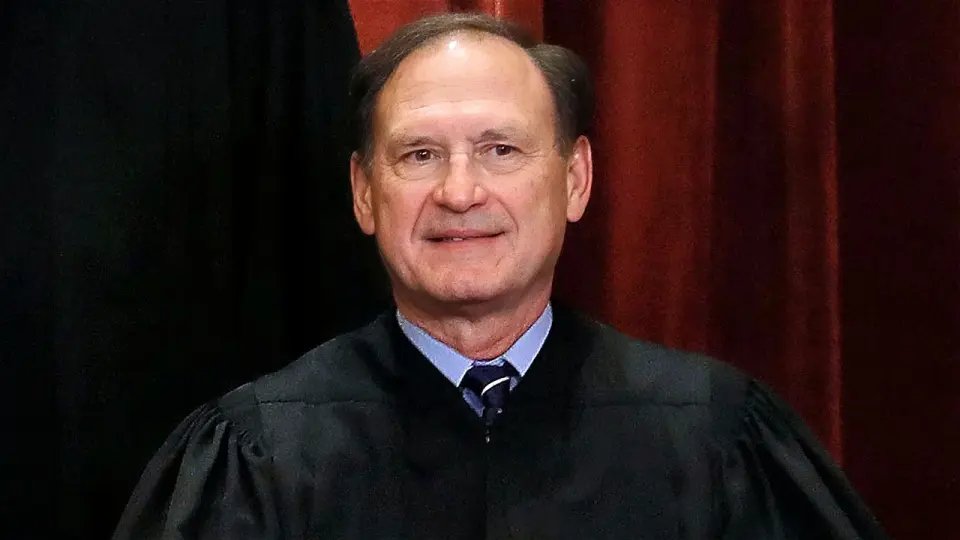
Justice Samuel Alito recused himself from Suncor Energy v. Boulder County just days before oral arguments, potentially leaving the Supreme Court evenly split. The case, which could determine whether oil companies face billions in climate liability, now risks a 4-4 tie that would uphold lower court rulings allowing state-level lawsuits to proceed.
Key points
- Alito's recusal was announced via a one-sentence letter from the court clerk on Monday, with no public explanation provided.
- The case, Suncor Energy v. County Commissioners of Boulder County, is scheduled for oral arguments on October 5, 2026, as the first matter of the new term.
- The dispute centers on whether Boulder, Colorado, can use state-law tort claims to sue oil and gas companies for their role in climate change.
- A 4-4 split would leave the lower court's ruling intact, potentially allowing similar climate liability lawsuits to proceed nationwide.
- Justice Elena Kagan faces separate calls to recuse herself due to her involvement in a climate science chapter of a judicial reference manual.
Background
This case has been closely watched as a potential precedent for thousands of similar climate liability lawsuits across the United States. Previous coverage highlighted the significance of Alito's recusal in creating a potential 4-4 split, which could leave the legal questions unresolved and allow state-level lawsuits to proceed. The case also follows Alito's January recusal in Chevron USA Inc. v. Plaquemines Parish, where he stepped aside due to stock holdings in ConocoPhillips.
How outlets are covering it
Fox News emphasized the Republican perspective, with former Alaska attorney general Steve Cox arguing that Colorado officials are 'weaponizing the court system' to enact environmental agendas without going through democratically elected officials. O.H. Skinner, former Arizona solicitor general, framed the case as a fight over whether courts should be the primary policymakers, rather than a debate about climate science. The New York Times focused on the pressure Alito faced from environmental and court watchdog groups due to his stock holdings in oil companies and his use of a private jet from an investor in a company involved in the dispute. SCOTUSblog provided a neutral overview, noting the recusal as part of the broader context of the Supreme Court's 2026-27 term. Vox highlighted the constitutional implications, questioning whether the case could lead to a broad immunity for oil companies from climate-related damages lawsuits.
Why it matters
The outcome of Suncor v. Boulder could have far-reaching implications for climate liability lawsuits across the United States. A 4-4 split would leave the lower court's ruling intact, potentially allowing similar state-level lawsuits to proceed. The case also raises questions about judicial impartiality and the role of courts in shaping environmental policy, with significant implications for the balance of power between the judiciary and democratically elected officials.
What to watch
The Supreme Court is scheduled to hear oral arguments in Suncor v. Boulder on October 5, 2026. The court will also release a list of cases granted during the summer recess later this week. The outcome of the case will depend on whether the remaining justices can reach a majority decision, or if a 4-4 split will leave the lower court's ruling intact.
- Supreme Court climate showdown jolted by Alito's last-minute decision Fox News
- Justice Alito Recuses Himself Days Before Major Climate-Change Case The New York Times
- Trump administration again asks for emergency relief SCOTUSblog
- Big Oil has an audacious request for the Supreme Court vox.com
- The Supreme Court’s Term-Opening Blockbuster Will Test the Conservative Justices Like No Other Case Slate Magazine
Want the full story? Read the original reporting
Read on Fox News