
Arizona joins Nevada in federal suit to block Colorado River water cuts
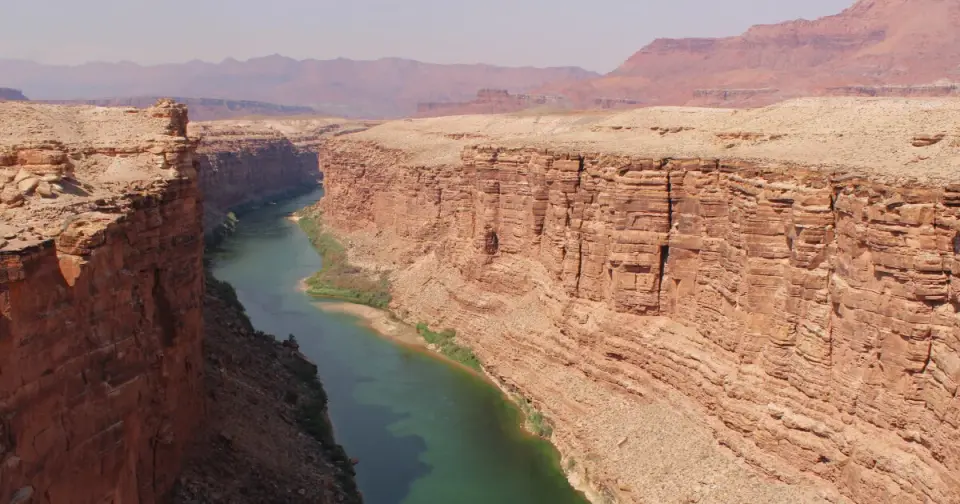
Arizona has filed a motion to join Nevada’s lawsuit against the federal government over new Colorado River management rules. The federal plan mandates 20% water cuts for lower-basin states through 2028, with potential 40% reductions later. Arizona, facing the largest share of these cuts, argues the Bureau of Reclamation violated procedural laws by ignoring warnings from state leaders. While the suit challenges the legality of the plan, it does not seek an immediate pause on the rules, which take effect on January 1, 2027. Arizona and Nevada remain in negotiations with California to share the burden of these reductions.
Key points
- Arizona filed a motion to intervene in Nevada’s August lawsuit against the federal government regarding Colorado River water allocations.
- The federal plan requires lower-basin states (Arizona, California, Nevada) to cut water supplies by 20% through 2028, with potential 40% cuts thereafter.
- Arizona faces the largest reductions under the plan, which state officials argue will devastate the local economy.
- The lawsuit claims the Bureau of Reclamation failed to adequately assess environmental and economic impacts, violating procedural laws.
- Upper-basin states (Colorado, New Mexico, Utah, Wyoming) were exempt from these mandatory cuts, a disparity criticized by lower-basin leaders.
- Arizona Governor Katie Hobbs stated the action is necessary to hold the federal government accountable and protect legal rights.
Background
This legal action follows years of failed negotiations among the seven states sharing the Colorado River. Previous coverage indicated that the river was nearing a critical flow threshold that could trigger Supreme Court litigation. The current dispute arises after the federal government imposed mandatory reductions on lower-basin states while exempting upper-basin states, a move that has intensified tensions between the two groups. Arizona has previously reserved the right to sue upstream states for failing to deliver legally required water, but this current action targets the federal government’s procedural failures rather than inter-state disputes.
How outlets are covering it
KJZZ and The Guardian both highlight the procedural nature of the lawsuit, arguing that the Bureau of Reclamation ignored warnings from state leaders. KJZZ notes that Arizona is still negotiating a deal with California and Nevada to share the burden, while The Guardian emphasizes the impasse between upper and lower basin states. The Washington Post’s provided text is largely irrelevant to the water story, focusing instead on tree removal in D.C., so it offers no perspective on the Colorado River issue. The Las Vegas Review-Journal source is a bot challenge page and provides no content. KJZZ and The Guardian agree that the lawsuit is unlikely to immediately pause the federal rules, but they differ in emphasis: KJZZ focuses on the ongoing negotiations and the timing of Arizona’s intervention, while The Guardian focuses on the broader political impasse and the 'deadpool' risk for the river.
Why it matters
The outcome of this lawsuit could determine whether the federal government must redo its water-sharing rules, potentially altering the mandatory cuts for Arizona, California, and Nevada. If the court rules in favor of the states, it could force the federal government to reconsider its approach to water allocation, possibly involving upper-basin states in the reductions. This case also sets a precedent for how federal agencies must handle environmental and economic impact assessments in future water management decisions. The legal battle underscores the growing tension between federal authority and state rights in managing critical water resources in the American West.
What to watch
The court will likely take time to decide whether the federal government must redo its water-sharing rules. Arizona and Nevada will continue negotiating with California to finalize the 'Lower Basin Agreement' to share the impact of the cuts. Arizona has reserved the right to sue upstream states if they fail to deliver legally required water, but has not yet done so. The federal rules are set to take effect on January 1, 2027, and the lawsuit does not seek an immediate pause on these rules.
- Arizona moves to join Colorado River lawsuit alongside Nevada KJZZ
- Arizona joins Nevada to fight proposed cuts to their shares of Colorado River The Guardian
- Arizona joins lawsuit over required water cuts in Colorado River plan The Washington Post
- Nevada finds ally in legal battle with feds over Lake Mead Las Vegas Review-Journal
- Arizona joins lawsuit over Colorado River water cuts ABC15 Arizona
Want the full story? Read the original reporting
Read on KJZZ