
Betancourt's Controversial Role in US-Venezuela Oil Deal Faces Technical and Legal Scrutiny
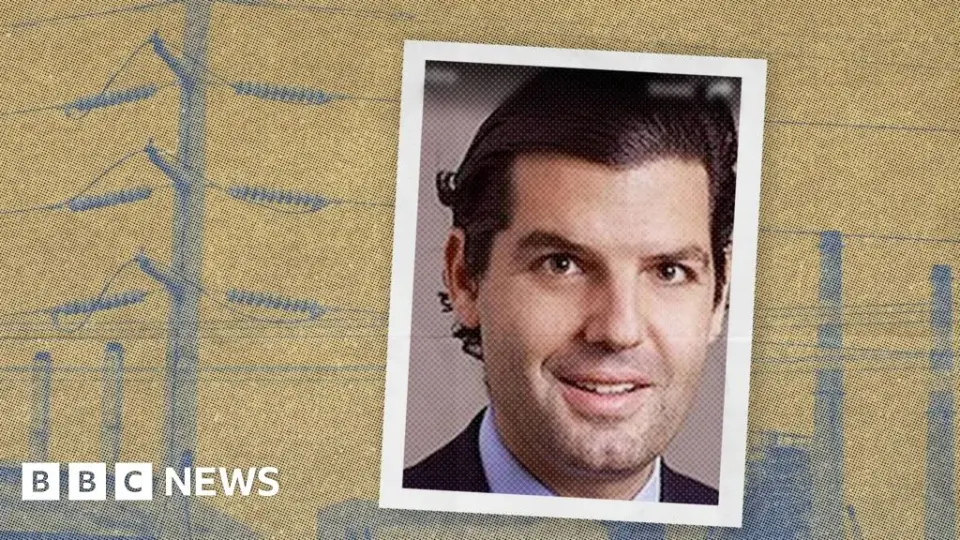
The US-Venezuela oil deal, centered on Alejandro Betancourt's North American Blue Energy Partners (NABEP), faces significant skepticism regarding its ability to lower fuel prices or replenish the Strategic Petroleum Reserve (SPR) in the near term. While the agreement grants the Pentagon a 35% stake in NABEP to manage 65 billion barrels of reserves, analysts argue that Venezuela's heavy crude is technically incompatible with SPR storage and that production ramp-ups will take years due to infrastructure decay. Betancourt, a controversial figure with ongoing legal investigations in multiple countries, remains central to the administration's strategy despite these technical and political hurdles.
Key points
- The deal gives the US Pentagon's Office of Strategic Capital a 35% equity stake in NABEP, with the US securing the right to buy 20% of output at cost.
- Venezuelan heavy crude is described as 'physically and chemically incompatible' with the SPR's underground caverns, requiring complex processing or 'molecular swaps' to be stored.
- Analysts estimate it will take five to seven years to develop the Orinoco Belt fields, with current production increases largely attributed to Chevron's existing operations rather than new drilling.
- Alejandro Betancourt faces ongoing investigations in Spain, Switzerland, and the US, though his lawyer claims US authorities pressured Switzerland to drop extradition requests.
- US crude prices have risen since the deal's announcement, driven by geopolitical tensions in the Middle East rather than the Venezuelan agreement.
Background
This development follows the January 2026 US military operation that removed Venezuelan President Nicolás Maduro, leading to interim President Delcy Rodríguez facilitating US access to the oil sector. Previous coverage highlighted concerns over the deal's long-term legitimacy and the political risks for investors, noting that major oil companies remain cautious due to Venezuela's uncertain legal landscape and history of asset seizures under former President Hugo Chávez.
How outlets are covering it
While the Trump administration and Secretary of State Marco Rubio emphasize Betancourt's track record and lack of current US investigations, critics and analysts highlight his controversial history and the technical infeasibility of the plan. Al Jazeera and CBS News report that US crude prices have actually risen since the deal, contradicting claims of immediate price relief. BBC News details Betancourt's legal troubles in multiple countries, while AP News notes Chevron's confirmed expansion, suggesting that established firms, not NABEP, may drive near-term production gains. Some experts argue the deal is a 'long shot' due to the high costs and risks of investing in Venezuela's degraded infrastructure.
Why it matters
The deal represents a major shift in US energy policy, attempting to leverage Venezuelan reserves to bolster national security and energy independence. However, the technical challenges of storing heavy crude and the long timeline for production increases raise questions about the deal's immediate impact on US fuel prices and strategic reserves. The controversy surrounding Betancourt also highlights the complex intersection of energy policy, international law, and geopolitical influence in the Western Hemisphere.
What to watch
Investors and policymakers will watch for signs of actual investment in Venezuelan infrastructure and any progress in resolving Betancourt's legal cases. The success of the deal will depend on whether the promised $100 billion in investment materializes and if the US can navigate the technical challenges of integrating Venezuelan crude into its energy systems. Future US administrations may also reassess the deal's viability, given its controversial nature and potential legal vulnerabilities.
- Who is Alejandro Betancourt, the colourful oil baron behind US-Venezuela oil deal? BBC
- The US is gobbling up Venezuelan oil, but will it lower fuel prices? Al Jazeera
- Chevron says it’ll expand in Venezuela following Trump’s plan to develop oil reserves AP News
- Trump says Venezuelan oil could replenish depleted U.S. stockpiles. Will it? CBS News
- Opinion | Trump’s Fantasy-Reality Problem Is Deepening The New York Times
Want the full story? Read the original reporting
Read on BBC