
California voters remain divided on billionaire tax and voter ID as November looms
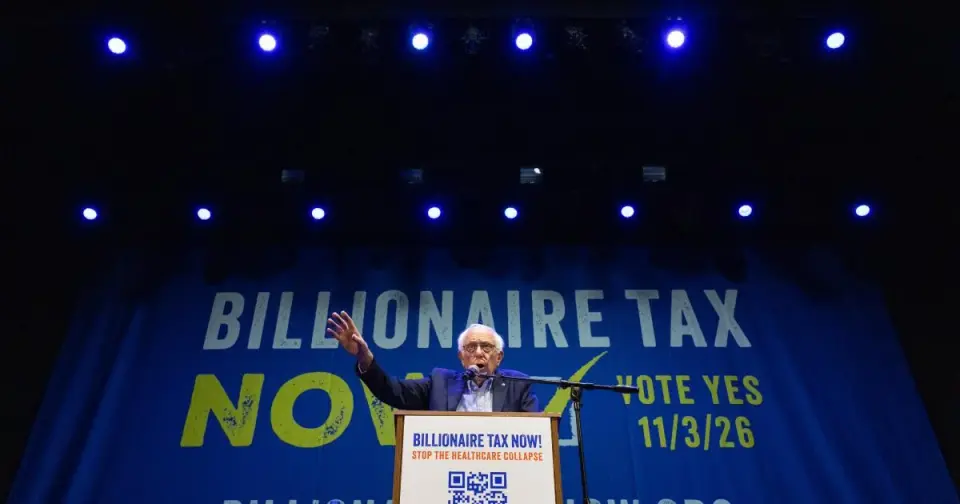
A new poll shows California voters are split on a proposed billionaire wealth tax and largely oppose a new voter ID requirement. While the wealth tax garners support from younger and minority voters, it lacks a majority and faces opposition from key Democratic figures and unions. The voter ID measure is strongly rejected by Democrats but supported by Republicans, highlighting deep partisan divides ahead of the November 3 election.
Key points
- UC Berkeley’s Institute of Governmental Issues found that 48% of likely voters support Proposition 40, a one-time 5% tax on billionaire assets, while 41% oppose it and 11% are undecided.
- Proposition 39, which mandates government-issued ID for voting and citizenship verification, is opposed by 51% of likely voters, with 42% in support.
- Support for the wealth tax is higher among voters under 30, minorities, women, and lower-income households, while opposition is stronger among seniors and high earners.
- The wealth tax aims to offset $100 billion in federal healthcare cuts, but faces opposition from Gov. Gavin Newsom and major unions like the California Teachers Association due to concerns over budget stability and fund allocation.
- Two countermeasures, Propositions 41 and 42, aim to nullify the wealth tax if they receive more votes, with roughly one in four voters currently undecided on these measures.
Background
California voters will decide 14 ballot measures on November 3, 2026, including the controversial billionaire tax and voter ID initiatives. Earlier coverage highlighted growing rifts within labor unions and the Democratic establishment over the wealth tax, with concerns that it could drive wealthy residents away or destabilize state budgets. The federal healthcare cuts from the One Big Beautiful Bill Act have intensified the debate over state-level funding solutions, while national distrust in election integrity has fueled the push for stricter voter ID laws.
How outlets are covering it
The Los Angeles Times and Sacramento Bee emphasize the sharp demographic and partisan divides in the polls, noting that the wealth tax lacks a majority and that undecided voters often lean against ballot measures. The American Prospect highlights internal conflicts within the left, pointing out that major unions like the California Teachers Association and SEIU oppose or remain neutral on the wealth tax due to concerns over fund allocation and precedent. Politico focuses on the lack of unity among national progressive leaders, with figures like Elizabeth Warren and Tom Steyer declining to support the measure, while Bernie Sanders endorses it. All sources agree that the voter ID measure is a stark partisan issue, with Democrats overwhelmingly opposing it and Republicans strongly supporting it, though the Sacramento Bee notes that independents also lean against it, challenging the Republican claim of bipartisan support.
Why it matters
The outcome of Proposition 40 could reshape California’s approach to economic inequality and healthcare funding, while Proposition 39 may impact voter access and election integrity. The deep divisions within the Democratic party and labor unions over the wealth tax could influence future progressive strategies and budget priorities. Additionally, the voter ID measure’s potential passage or defeat will reflect broader national trends in election security and voter rights, with implications for turnout and political trust.
What to watch
Campaigns for and against both measures are expected to intensify in the weeks leading up to November 3, with well-funded opposition to the wealth tax and voter ID. Turnout among younger voters will be critical for the wealth tax’s success, while the undecided voters on countermeasures may shift as campaigns ramp up. The final results will determine whether California implements a new wealth tax or maintains its current tax structure, and whether stricter voter ID requirements are enacted.
- Californians split on proposed tax on billionaires, sour on voter ID requirement, poll shows Los Angeles Times
- The left’s California problem Politico
- Poll: Voters lean ‘no’ on California voter ID measure, split on billionaire tax Sacramento Bee
- New Polling Sheds Light on November Ballot KQED
- The California Left and the Wealth Tax The American Prospect
Want the full story? Read the original reporting
Read on Los Angeles Times