
Citizens sue to block White House media bans, arguing public right to news is violated
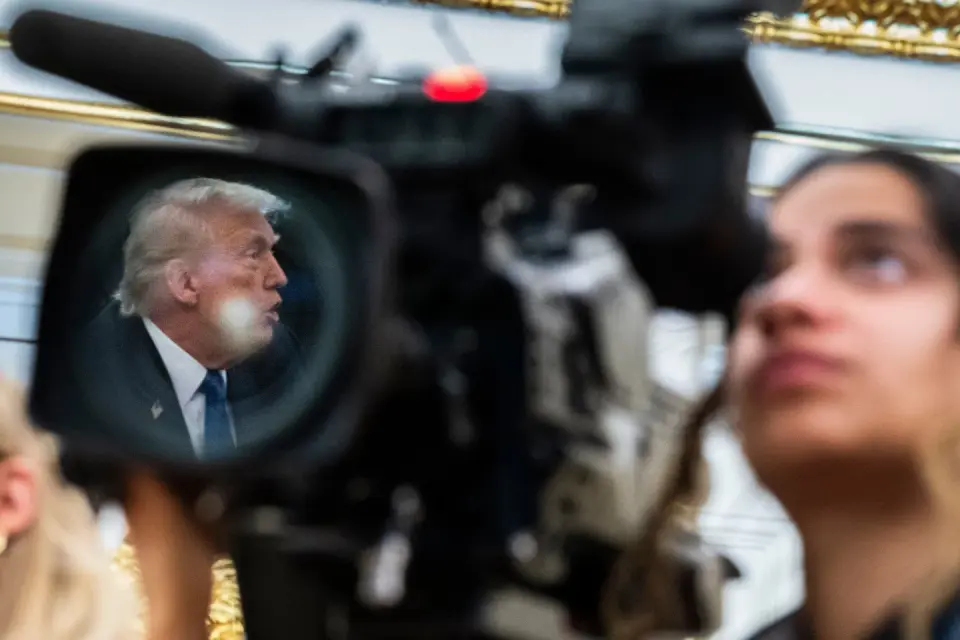
A new lawsuit filed in New York federal court argues that President Donald Trump’s recent bans on specific news outlets violate the First Amendment rights of ordinary citizens, not just journalists. Filed by the Knight First Amendment Institute and Yale Law School on behalf of six private individuals, the case seeks a broad injunction to protect all media from retaliatory exclusion from White House spaces. This follows a recent court order that paused the specific bans on CNN, MS NOW, and Politico, but the new suit claims the administration’s broader policy of viewpoint-based exclusion distorts public information and harms democratic accountability.
Key points
- Six citizens, including a Yale historian, a high school civics teacher, and a student journalist, filed a lawsuit in the Southern District of New York on October 26, 2026.
- The complaint names President Trump, White House Chief of Staff Susie Wiles, Communications Director Steven Cheung, and Secret Service Director Sean M. Curran as defendants.
- Plaintiffs argue that excluding disfavored news outlets from the White House press corps creates a chilling effect, skewing the overall news environment and depriving the public of independent reporting.
- The suit seeks a preliminary injunction to bar the administration from enforcing any policy that restricts media access based on viewpoint, rather than just restoring access for previously banned outlets.
- The White House responded by stating that no person can demand access to the Oval Office and that excluded media can report from outside the building.
Background
This litigation follows a series of media access disputes in 2026. In September, the administration banned CNN, MS NOW, and Politico, citing 'fake news' allegations. On October 14, Judge Timothy Kelly issued a preliminary injunction restoring those outlets' access, rejecting the government's national security justification. Other outlets, including The Associated Press and The New York Times, are currently involved in separate legal battles over access restrictions and Pentagon escort policies. The new case shifts the legal focus from the rights of news organizations to the rights of the public audience.
How outlets are covering it
The Washington Post and AP News emphasize the novel legal strategy of using ordinary citizens as plaintiffs to argue that media bans harm the public's right to know. AP News highlights the specific professions of the plaintiffs, such as a human rights advocate and a civics teacher, to illustrate the practical impact of reduced press access. Politico notes that the suit acknowledges existing legal challenges by news outlets but argues that individual reinstatements do not fix the broader distortion of the news environment. The Knight First Amendment Institute frames the issue as a constitutional violation of a 'public forum,' arguing that the government cannot exclude media based on viewpoint. In contrast, the White House maintains that media access is a privilege, not a right, and that excluded outlets can continue reporting from outside the building.
Why it matters
This case could establish a precedent that the public, not just the press, has a direct First Amendment interest in the integrity of the White House press corps. If successful, the broad injunction sought could prevent the administration from using access revocation as a tool for political retaliation against any news organization, potentially stabilizing media relations for the remainder of the term.
What to watch
The case, titled Roth v. Trump, is pending in the Southern District of New York. The plaintiffs have filed a motion for a preliminary injunction. The administration is currently appealing Judge Kelly's October 14 ruling regarding CNN, MS NOW, and Politico, which may influence how courts view the broader policy challenges in this new suit.
- White House is sued again over media bans as press groups seek wider injunction The Washington Post
- 6 citizens sue Trump, saying media ban deprives them of news as audience stakeholders AP News
- Lawsuit argues Trump’s media ban hurts news consumers Politico
- Roth v. Trump | Knight First Amendment Institute
- A Penn student journalist is part of a lawsuit against the White House’s ‘ban on free press’ Inquirer.com
Want the full story? Read the original reporting
Read on The Washington Post