
Supreme Court blocks Trump mail-ballot rules, sparking backlash and midterm uncertainty
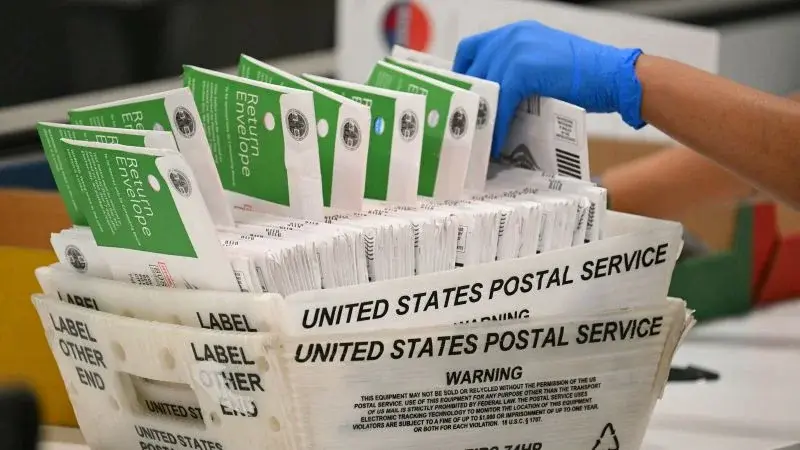
The Supreme Court issued a terse order blocking the Trump administration’s plan to impose new mail-in ballot restrictions via the US Postal Service ahead of the November 2026 midterms. While the decision prevents immediate implementation, it offers little clarity on future legal standards, leaving election officials and voters uncertain about upcoming disputes.
Key points
- The Court’s unsigned order rejected the government’s request to stay a lower court injunction, stating the administration was unlikely to succeed on the merits.
- The blocked rules would have required states to submit voter lists to the USPS and mandated specific envelope barcodes, with non-compliance risking ballot non-delivery.
- President Trump publicly criticized his appointees, Neil Gorsuch, Brett Kavanaugh, and Amy Coney Barrett, for joining the majority against his agenda.
- Attorney General Todd Blanche stated the Justice Department will continue pursuing election integrity measures and criminal investigations despite the ruling.
- Justices Samuel Alito and Clarence Thomas dissented, echoing administration claims about mail ballot fraud, while Kavanaugh suggested the rules might be valid for future cycles.
Background
This dispute follows a series of legal battles since January 2025, including a June Supreme Court decision rejecting a challenge to Mississippi’s mail ballot grace period. Earlier in September, federal judges in Boston and elsewhere blocked the USPS rules, citing lack of congressional authorization. The current ruling is part of a broader pattern of conservative justices balancing voter protection against executive overreach, following recent decisions that expanded state redistricting powers.
How outlets are covering it
CNN and The Washington Post emphasize the Court’s lack of detailed reasoning, noting the two-sentence order provides no precedent for future cases. CNN highlights Justice Kavanaugh’s concurrence suggesting the rules might be legal in 2028, while The Washington Post frames the ruling as a rebuke of Trump’s executive actions. Politico focuses on the confusion among voters and election officials, citing fears that the 'whiplash' of legal changes has eroded public confidence. SCOTUSblog notes the administration’s intent to pursue other election integrity measures, such as using a citizenship verification database, despite the setback. All sources agree that the ruling leaves the legal landscape for mail voting unsettled, with potential for further litigation after the midterms.
Why it matters
The ruling impacts approximately 30% of US voters who rely on mail ballots, particularly military personnel, the elderly, and those with disabilities. It sets a precedent for how the Court will handle executive attempts to alter election procedures, potentially influencing the 2028 presidential cycle. The lack of clear legal reasoning may lead to continued legal challenges and voter confusion, affecting the integrity and accessibility of upcoming elections.
What to watch
The Trump administration is expected to pursue other election-related legal strategies, including challenges to state voter rolls and citizenship verification tools. Election officials and voting rights advocates anticipate further litigation over ballot certification and potential post-election disputes. The Court’s future stance on mail voting will likely be tested in the 2028 presidential cycle, with Justice Kavanaugh’s comments suggesting openness to similar rules if implemented with more lead time.
- What the Supreme Court’s cryptic mail ballot ruling means for future elections CNN
- What’s next for mail voting after the Supreme Court ruled against Trump CNN
- Election watchers brace for Trump’s next move after Supreme Court ruling Politico
- Opinion | Trump’s latest Supreme Court tantrum The Washington Post
- Trump blasts Supreme Court on social media SCOTUSblog
Want the full story? Read the original reporting
Read on CNN