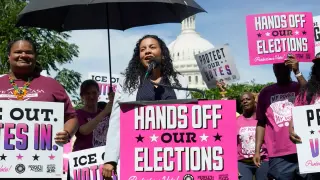
Nithya Raman holds a slight lead over incumbent Mayor Karen Bass in the Los Angeles mayoral race, with experts predicting the margin will widen as late-counted mail-in ballots, which skew younger and more progressive, are processed.
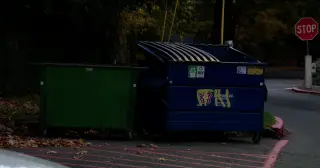
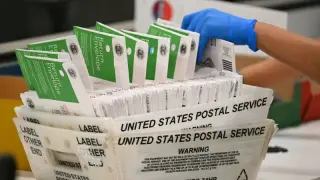
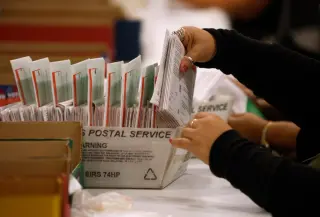
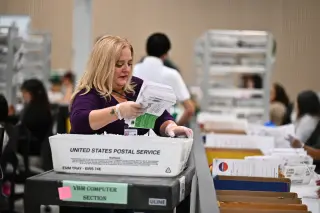
Two bins of undelivered mail-in ballots were discovered in a dumpster at Golden Gardens Park in Seattle’s Ballard neighborhood. King County Elections confirmed the recovery of the ballots and has reissued them to the affected voters. The U.S. Postal Service and Postal Inspection Service are investigating the incident, which officials describe as likely related to general mail theft rather than targeted ballot destruction.
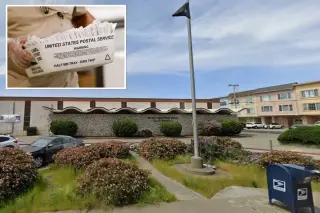
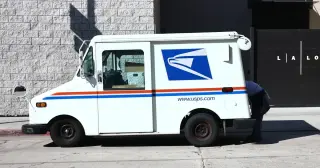
Two separate incidents involving the theft of mail-in ballots from postal facilities in California have raised significant concerns about election security ahead of the November general election. In San Mateo County, voters' ballots were stolen from a US Postal Service office in Daly City, while a similar break-in occurred at a mail truck in Sacramento's College Glen area. Both the San Mateo County Assessor-County Clerk-Recorder’s Office and the US Postal Inspection Service are actively investigating the thefts. Officials have urged voters to monitor their ballot status through the California Secretary of State’s website and to request replacements if necessary. The incidents have prompted calls for stronger protections for mail and transparent communication with the public, especially amid broader national debates over mail voting.
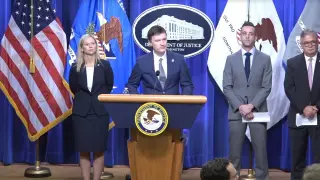
The Justice Department charged Damon Matai Seei, a former Utah postal worker, with destroying over 300 mail-in ballots in a church dumpster during the June primary. While Seei pleaded not guilty and claimed he acted out of laziness, officials used the case to advocate for stricter mail-in voting regulations.
A former Utah postal worker faces federal charges for discarding over 300 mail-in ballots in a church dumpster during the June primary. While the defendant claims he acted out of 'laziness' to lighten his workload, the Justice Department used the case to advocate for stricter mail-in voting rules and criticize court blocks on those regulations.
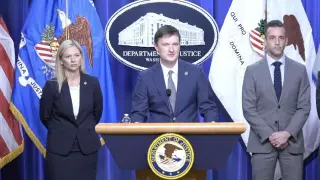
A 34-year-old USPS employee in Utah has been charged with destroying approximately 300 mail-in ballots during the June 2026 primary. The worker admitted to discarding the ballots in a dumpster out of frustration and laziness, not political motive. Federal officials announced the charges in Washington, D.C., emphasizing election integrity ahead of the November midterms.
A former Utah postal worker has been federally charged with destroying approximately 300 mail-in ballots by tossing them into a church parking lot dumpster before the June 2026 primary. The Justice Department highlighted the case to support its broader push for stricter mail voting regulations, despite recent court blocks on such measures.
Following a Supreme Court ruling that blocked President Trump’s attempt to restrict mail-in voting, Democratic leaders warned that the threat to the November 3 midterms remains active. While the court upheld state control over mail ballots, officials cited ongoing efforts by the administration to access voter data, deploy federal agents, and sow confusion among voters. Democrats are mobilizing volunteers and legal resources to counter potential intimidation and misinformation, emphasizing that the administration’s popularity decline may drive further attempts to influence the election outcome.
The Supreme Court issued a terse order blocking the Trump administration’s plan to impose new mail-in ballot restrictions via the US Postal Service ahead of the November 2026 midterms. While the decision prevents immediate implementation, it offers little clarity on future legal standards, leaving election officials and voters uncertain about upcoming disputes.
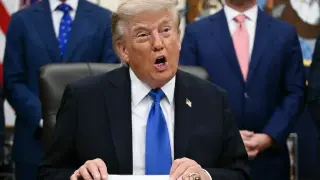
The Supreme Court blocked the Trump administration from implementing new U.S. Postal Service rules on mail-in ballots for the November 2026 midterms. The decision, which appeared to be 7-2, prevents the enforcement of new envelope standards and voter data requirements. President Trump condemned the ruling as a 'big loss' for Republicans and criticized his own judicial appointees, while the court cited insufficient time for implementation.
The Supreme Court blocked a U.S. Postal Service regulation that would have imposed new requirements on state mail-in ballot processes ahead of the 2026 midterm elections. The court rejected an emergency request from the Trump administration to enforce the rule, which required states to submit voter lists and pre-approve envelope designs. The decision, which appeared 7-2, allows states to continue their current voting processes as ballots are already being sent. Dissenting justices argued the Postal Service had the authority to issue the rule, but the majority and lower courts found the timing too late to avoid disenfranchisement and noted a lack of evidence for widespread fraud.
The National News Desk launched a poll on September 7, 2026, asking readers if the federal government should mandate citizenship proof before sending mail-in ballots. This follows recent legal battles in Michigan over similar state-level measures and Supreme Court disputes regarding voter roll purges.
The North Carolina State Board of Elections approved new guidelines for mail-in ballots in a split 3-2 vote on Friday, just hours before the state began sending out absentee ballots for the 2026 general election. The new numbered memos alter standards for counting returned ballots, specifically requiring county officials to spoil votes if inner envelopes are not properly sealed or if signatures do not match application numbers. While Republican board members argued these are routine administrative updates that will eventually become permanent rules, Democratic members contended the measures create unnecessary hurdles that could disenfranchise voters. The decision follows a period where similar permanent rules were blocked from taking effect due to formal objections, prompting the board to use less permanent memos to bypass legislative review. North Carolina is the first state to begin mailing ballots this cycle, a move occurring amid ongoing federal legal battles over postal restrictions on mail voting.
The Trump administration has asked the Supreme Court to immediately allow new restrictions on mail-in ballots, potentially affecting millions of voters in November’s midterms. The rules, which require states to submit voter lists to the USPS and use unique bar codes, face legal challenges from 23 Democratic-led states and voting groups. A federal judge in Boston expressed concern that the changes could cause 'major disenfranchisement' and chaos, while the administration argues the measures are modest security requirements. The case, which has been in a legal battle since March, is now at the high court just weeks before the election.
The Supreme Court issued a procedural ruling that temporarily allows parts of President Trump’s executive order restricting mail-in ballots to proceed, but the decision does not resolve the order’s legality. The case returns to lower courts, where a separate injunction remains in place, creating significant uncertainty for election officials with only weeks before the November midterms.