
Data Center Backlash Splits GOP Candidates from Trump Ahead of 2026 Midterms
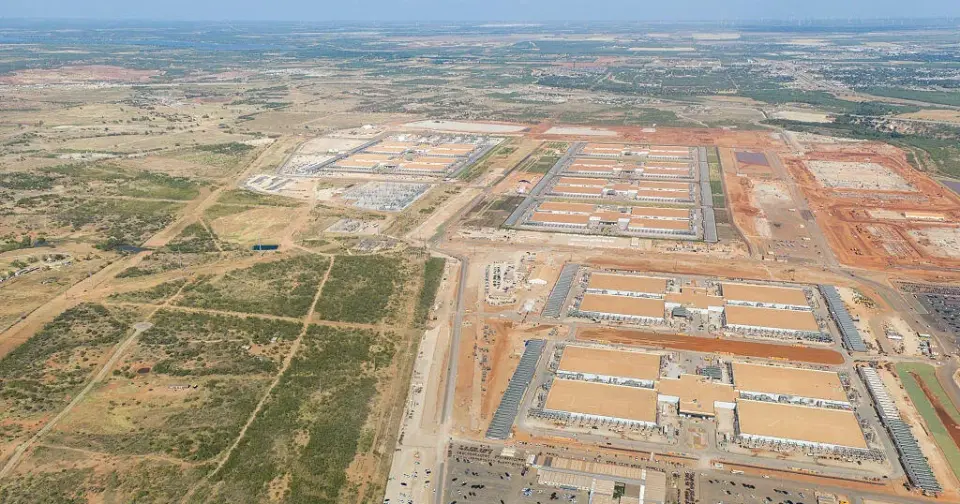
The rapid expansion of AI data centers in red states has created a significant political rift within the Republican Party ahead of the 2026 midterms. While President Trump champions these facilities as vital for national security and economic growth, many GOP candidates are adopting restrictive stances to appease voters concerned about energy costs, noise, and property values. This divergence is evident in key races in Texas, Ohio, and Georgia, where candidates are prioritizing local opposition over presidential alignment.
Key points
- 75% of data centers under construction and 80% in planning are located in predominantly Republican states, according to Cleanview Research.
- Polls indicate opposition to data centers outweighs support by 30 points, with a majority of Republicans opposing construction near their homes.
- Texas Governor Greg Abbott has paused environmental permits for new data centers, while Senator Ken Paxton seeks to end sales tax breaks for the sector.
- Ohio Governor candidate Vivek Ramaswamy has pledged to halt new data center approvals via executive order, diverging from Trump’s pro-development stance.
- Campaigns have spent $45 million on ads mentioning data centers this year, with most messaging opposing construction.
Background
This conflict follows a broader trend identified in September 2026, where bipartisan pressure forced a shift in AI regulation. Earlier reports noted that while Trump dismissed AI safety concerns, internal GOP memos warned that supporting data centers was becoming a losing political position. The current midterm race intensifies this tension, as candidates in vulnerable districts prioritize local community concerns over national strategic goals.
How outlets are covering it
CBS News highlights the sharp divide between the White House and state-level GOP candidates, noting that Trump’s dismissal of public opposition clashes with the pragmatic strategies of figures like Abbott and Ramaswamy. The Baton Rouge Business Report, while largely navigational in the provided text, frames the issue as a growing backlash that puts politicians on the defensive, suggesting a broader economic and political instability caused by the infrastructure boom. Both sources agree that the issue has become a 'consensus' point of opposition among voters, regardless of party affiliation.
Why it matters
The data center issue threatens to fracture the Republican coalition in critical red states, potentially impacting the outcome of the 2026 midterms. If candidates continue to prioritize local voter concerns over presidential directives, it could signal a deeper realignment within the party regarding energy policy and technological investment. This shift may also influence future federal legislation on grid costs and environmental regulations for AI infrastructure.
What to watch
Expect increased scrutiny on data center projects in states like Texas, Ohio, and Georgia as the election approaches. Candidates may face pressure to implement moratoriums or stricter regulations to secure votes, while the White House may continue to push for development to maintain its narrative of economic and national security leadership. The outcome of these races could determine whether the current boom in AI infrastructure faces a nationwide pause or continued expansion.
- Data center boom puts Republicans in a bind before midterm elections CBS News
- Data centres are turning Trump voters into Democrats The Economist
- Growing data center backlash puts politicians on the defensive Baton Rouge Business Report
- The Real Footprint of Trump’s Data Center Boom Foreign Policy
- Data center backlash set to sway midterm elections Stateline
Want the full story? Read the original reporting
Read on CBS News