
House vote fails to lock Supreme Court size at nine, leaving court packing debate open
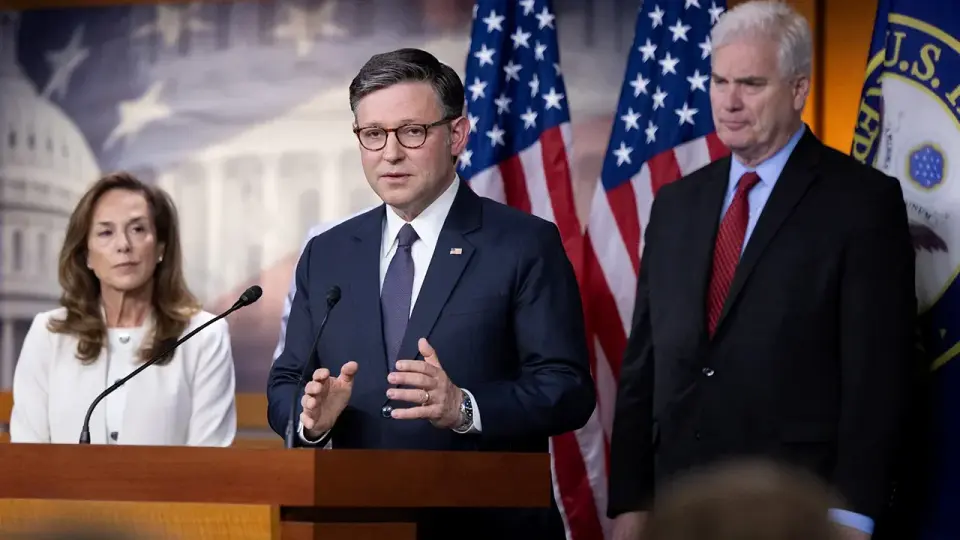
A constitutional amendment to permanently cap the U.S. Supreme Court at nine justices failed in the House on September 2, 2026. The measure, led by Republicans, required a two-thirds majority but fell short, with Democrats voting against it. The defeat leaves the court’s size subject to future congressional changes, a concern for both parties ahead of the November midterms.
Key points
- The House voted 212-206 against the amendment, far below the two-thirds threshold needed for a constitutional change.
- Republicans argued the cap would protect the court’s independence and prevent future 'packing' by a potential Democratic majority.
- Democrats opposed the measure, arguing it freezes a partisan conservative majority and strips Congress of its historical authority to set court size.
- The vote was seen as a 'messaging bill' to highlight Democratic court-packing threats ahead of the November 3 elections.
- The U.S. Constitution does not specify the number of justices; Congress has changed the size multiple times, from six to 10, since 1789.
Background
This vote follows months of warnings from President Trump and progressive Democrats about potential court expansion. Recent archive coverage notes ongoing tensions over judicial independence, including the Supreme Court’s role in blocking Trump’s mail-ballot rules and federal appointments. The failed amendment mirrors historical debates, such as FDR’s 1937 court-packing plan, which was rejected after the court shifted its stance on New Deal legislation.
How outlets are covering it
Fox News framed the vote as a Democratic 'nuke' of a Republican effort to assuage Trump’s fears of court packing, emphasizing the partisan nature of the opposition. SCOTUSblog highlighted the procedural hurdle, noting Johnson’s decision to raise the threshold to two-thirds to force Democrats onto the record. MS NOW argued the amendment itself concedes that Congress has the power to change court size, undermining the GOP’s claim that nine is a fixed constitutional norm. Reuters described the vote as a 'messaging bill' designed to shore up Republican support amid low approval ratings, noting the historical precedent of such failed votes.
Why it matters
The failure to cap the Supreme Court at nine justices leaves the door open for future congressional changes to the court’s size, a key issue in the 2026 midterm elections. It highlights the deep partisan divide over judicial independence and the potential for court-packing if control of Congress shifts. The outcome also underscores the constitutional ambiguity around the court’s composition, which could shape future political battles over the judiciary.
What to watch
The amendment is expected to die in the House, but the debate may resurface if Democrats gain control of Congress in November. Republicans may continue to push for court-packing protections, while Democrats could advance proposals to expand the court to 13 justices. The issue will likely remain a central campaign topic in the 2026 midterms.
- Republicans fail to ease one of Trump's greatest fears as Supreme Court measure collapses Fox News
- House to vote on number of justices SCOTUSblog
- Opinion | The GOP’s major concession about expanding the Supreme Court MS NOW
- Democrats sink Republican bid to cement US Supreme Court’s conservative majority whbl.com
- Democrats reject constitutional amendment to limit Supreme Court to nine justices Washington Times
Want the full story? Read the original reporting
Read on Fox News