Lithuania’s parliament voted 106-18 to advance a constitutional amendment lifting bans on nuclear weapons and foreign military bases. The Kremlin warned this move, alongside potential U.S. base expansion, risks significant regional escalation. A final vote is scheduled for January 12, 2027, requiring a two-thirds majority.
The House rejected a GOP effort to enshrine a nine-justice Supreme Court via a constitutional amendment, failing 211-206; such a change would require a two-thirds House vote, Senate approval, and ratification by three-fourths of the states, making passage highly unlikely, as Democrats criticized the move as political posturing.
The House voted 212-206 to reject a Republican-backed constitutional amendment to permanently cap the Supreme Court at nine justices, with Democrats largely opposing (one Democrat supported it), highlighting ongoing court-size and expansion debates ahead of the midterm elections.
House Democrats voted 212-206 to kill a proposed constitutional amendment that would lock the Supreme Court at nine justices, a move critics say would curb expansion and tie Democrats to the Democratic Socialists of America; the measure would require a two-thirds vote to pass and faces slim prospects in the Senate, while the nine-seat makeup has stood since 1869 and discussions about expanding the court persist among some lawmakers.
Michigan's Board of State Canvassers deadlocked 2-2 on whether to place a proposed constitutional amendment requiring U.S. citizenship verification for voters on the November ballot after a signature review fell short by 3 signatures in a 1,000-sample; supporters vow to pursue court action, while critics note issues like duplicates and late affidavits. The measure would also tighten photo ID rules and create a state-funded hardship program for IDs.
Hungary’s President Tamás Sulyok reluctantly signed a parliamentary constitutional amendment that immediately ends his term after lawmakers approved the measure 139-6; Sulyok criticized the move as an abuse of power that erodes checks and balances, but said he signed to fulfill constitutional duties. The early termination is part of PM Péter Magyar’s broad constitutional overhaul following his party’s two-thirds election victory, which also includes capping prime ministerial service to eight years, barring Viktor Orbán from returning, dismantling institutions from Orbán’s era, and restoring state control of public-interest asset-management foundations. Parliament must elect a new president within 30 days.
Tamás Sulyok signs a constitutional amendment to remove himself from office after months of pressure from Prime Minister Péter Magyar, a move that curtails Orbán-era influence, reinstates a 70-year retirement age for Constitutional Court judges, and signals a push to restore checks and balances in Hungary.
Hungary’s president Tamás Sulyok signed a constitutional amendment passed by the ruling Tisza party, ending his term immediately. The law, part of PM Péter Magyar’s drive to curb Orbán-era power, will have Parliament elect a new president with interim duties assigned to Ágnes Forsthoffer, and imposes a 12-year term limit for lawmakers plus a 70-year retirement age for constitutional court judges (forcing the current president Péter Polt to retire). Sulyok warned the reform harms the rule of law and marks a watershed in Hungary’s constitutional democracy, while Orbán criticized the changes as tyranny and Fidesz faced resignations and slipping support.
House Speaker Mike Johnson says Republicans are considering legislative or constitutional fixes to birthright citizenship after the Supreme Court shielded the policy from Trump's order, but chances of real change this year are slim given razor-thin majorities and the hurdles to passing an amendment or new law; the Birthright Citizenship Act of 2025 exists but would struggle to clear the Senate amid GOP infighting.
Following the Supreme Court's birthright citizenship ruling, Justice Kavanaugh wrote a concurring opinion suggesting Congress could curb birthright through federal law (not a constitutional change), outlining a pathway to amend the Citizenship Clause or related statutes. Republicans including Johnson, Paul, Lee and Cotton are pushing for amendments or legislation, while the DOJ shifts tactics to curb birth tourism and the debate over how to narrow birthright citizenship continues.
After the Supreme Court preserved birthright citizenship under the 14th Amendment, President Trump urged Congress to end it with legislation, claiming a constitutional amendment isn’t necessary. Legal scholars—and several Republican supporters—say the majority opinion effectively bars changing the rule by statute; Justice Kavanaugh’s concurrence suggested a possible legislative workaround, but the consensus is that only a constitutional amendment or a future court reversal could alter birthright citizenship. Some lawmakers discuss targeted immigration/birth-tourism measures, but those would face constitutional challenges if they conflict with the Court’s interpretation. In short, current law grants birthright citizenship broadly, and changing that would require a constitutional amendment or a future shift in jurisprudence.
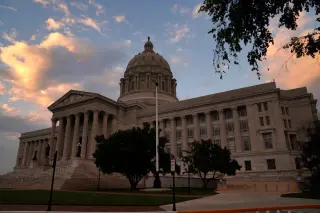
A Missouri judge ruled that state abortion restrictions violate a voter-approved constitutional amendment, potentially expanding access; the attorney general plans to appeal, and abortion is poised to be on November’s ballot to undo the amendment, highlighting ongoing debates over reproductive rights as Missourians have often traveled to neighboring states for abortion services.
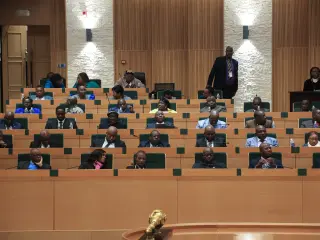
Zimbabwe’s National Assembly approved Constitutional Amendment Bill No 3 to replace direct presidential elections with a joint sitting of Parliament, sending it to the Senate for a two-thirds vote. Supporters argue it could deliver policy continuity and accelerate development, while opponents warn it would weaken democratic accountability and bolster ZANU-PF’s grip, potentially extending Mnangagwa’s tenure beyond 2028. Allegations of intimidation during consultations and bribery of MPs have added to concerns, and legal challenges are already underway as the bill advances.
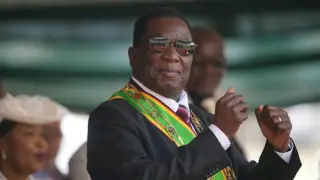
Zimbabwe’s lower house approved a bill to extend President Emmerson Mnangagwa’s term by two years, raise elected terms to seven years, and replace direct presidential elections with a parliamentary vote, potentially keeping Mnangagwa in power until 2030 and delaying the 2028 elections; the reform, seen as reshaping institutions around Zanu-PF, faces opposition from liberation veterans and activists who warn it risks a one-party state, while the government argues the changes align electoral cycles and improve governance.
Norway’s parliament is weighing a constitutional amendment to let Princess Ingrid Alexandra serve as regent if both the king and heir are unable to rule, a move aimed at preventing a potential leadership gap. The proposal would exclude Prince Sverre Magnus and requires a two-thirds parliamentary majority; a November vote could set Ingrid on a path toward the throne. Critics say the change is narrowly tailored to current circumstances and may not address future succession, while supporters see it as prudent preparation for the monarchy’s continuity.