
DOJ Deploys 1,000 Monitors Nationwide as Democrats Mobilize Massive Counter-Force for 2026 Midterms
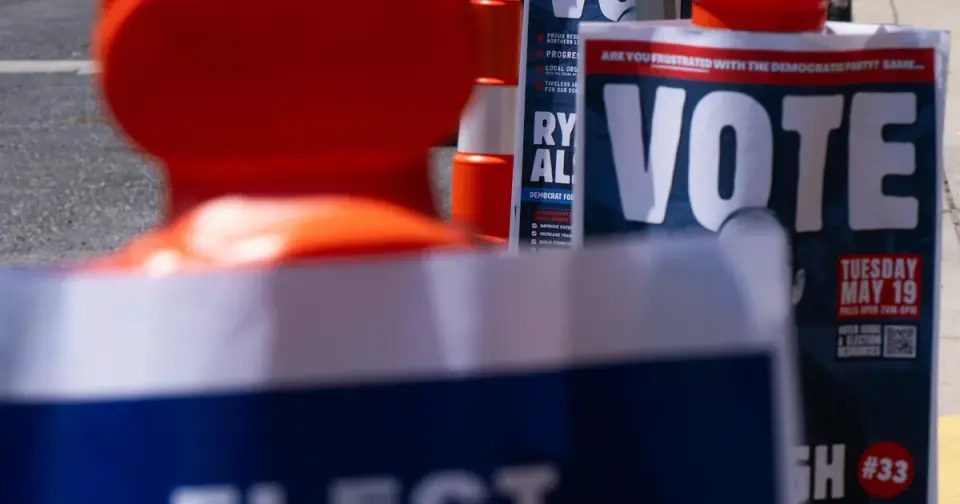
The U.S. Department of Justice has announced the deployment of approximately 1,000 election monitors across all 50 states for the November 3, 2026, midterm elections, marking the largest such effort in history. In Pennsylvania, officials confirmed monitors will be present in Philadelphia, Allegheny, Luzerne, and Lehigh counties. While the DOJ asserts these observers will strictly adhere to non-interference protocols to ensure compliance with the Voting Rights Act, Democratic leaders and civil rights groups are deploying tens of thousands of their own volunteers to counter perceived federal overreach. This unprecedented dual-monitoring strategy has raised concerns about potential confusion and intimidation at polling places, prompting local election officials to issue strict guidelines regarding the conduct of federal agents.
Key points
- The Justice Department plans to send 1,000 monitors to polling places in all 50 states, a significant increase from the 714 deployed in 2024 and 289 in 2022.
- In Pennsylvania, monitors will be stationed in Philadelphia, Allegheny, Luzerne, and Lehigh counties, with a letter sent to Secretary of State Al Schmidt on October 22.
- DOJ monitors are required to dress in business casual attire, remain unarmed, and refrain from interacting with voters, focusing solely on observing for federal law violations.
- Democratic organizations, including the DNC and Common Cause, have trained over 26,000 volunteers to monitor polls, citing fears of federal interference and voter intimidation.
- Philadelphia City Commissioner Omar Sabir urged voters not to be intimidated by the presence of monitors, emphasizing that they are routine and that citizens have the right to vote.
Background
This development follows a series of contentious federal-state conflicts regarding election integrity in late 2026. In October, the DOJ issued 48-hour demands to 57 California counties to sequester mail ballots from individuals suspected of being noncitizens, a move rejected by state officials as unreliable. Additionally, the DOJ recently notified Oregon and Washington of similar monitor deployments, sparking legal challenges. These actions occur amid broader tensions where the administration has faced criticism for potential misuse of federal resources, while local officials have scrambled to manage logistical crises, such as the Texas voter record backlog earlier in the year.
How outlets are covering it
The Department of Justice frames its 1,000-monitor deployment as a standard, non-intrusive measure to ensure compliance with the Voting Rights Act, emphasizing that monitors will only observe and report concerns without interfering in the voting process. Conversely, Democratic leaders and civil rights organizations view the scale of this operation as a potential tool for voter intimidation, prompting them to deploy tens of thousands of their own volunteers to create a counter-presence. While the DOJ asserts that monitors will not interact with voters or handle ballots, some local officials, such as the Laramie County clerk in Wyoming, have reported instances where monitors attempted to interview voters, leading to disputes over proper conduct. Philadelphia officials, led by Commissioner Omar Sabir, maintain that the monitors are routine and urge voters to ignore social media fears, whereas the broader Democratic coalition argues that the sheer volume of federal agents creates an environment of fear that could suppress turnout.
Why it matters
The scale of the 2026 election monitoring effort represents a significant shift in the relationship between federal authorities and local election administration. The simultaneous deployment of thousands of federal monitors and an equal number of private and partisan observers creates a complex and potentially volatile environment at polling places. This situation tests the limits of existing election laws and could set precedents for how federal oversight is conducted in future elections. The potential for confusion or conflict between different groups of observers raises concerns about the integrity of the voting process and the ability of local officials to maintain order and ensure that every eligible voter can cast their ballot without obstruction.
What to watch
Election Day is scheduled for November 3, 2026. The Justice Department has stated it will not release the full list of monitored locations until that date. Local election officials across the country are preparing for the influx of observers, with some, like the city clerk in Lansing, Michigan, preemptively contacting law enforcement and attorneys to ensure compliance with election laws. Voters are encouraged to contact the Election Protection Hotline or their local Judge of Elections if they observe any irregularities or have concerns about the presence of monitors. The outcome of the midterms will likely be influenced by the effectiveness of these monitoring efforts and the ability of election officials to manage the unprecedented level of scrutiny at the polls.
- Pennsylvania officials respond to Trump DOJ's plan to send election monitors to Philadelphia, 3 other counties CBS News
- Trump’s DOJ to send election monitors to Kentucky’s two largest counties on Nov. 3 Kentucky Lantern
- Thousands of observers are expected to descend on polling places to monitor the vote on Election Day Yahoo
- Justice Department plans to send election monitors to polling stations in Philadelphia Inquirer.com
- Marion County clerk says voters should have no worries about DOJ election monitors wthr.com
Want the full story? Read the original reporting
Read on CBS News