
DSA Bloc Triples in House, Testing Democratic Leadership Amidst Primary Upsets
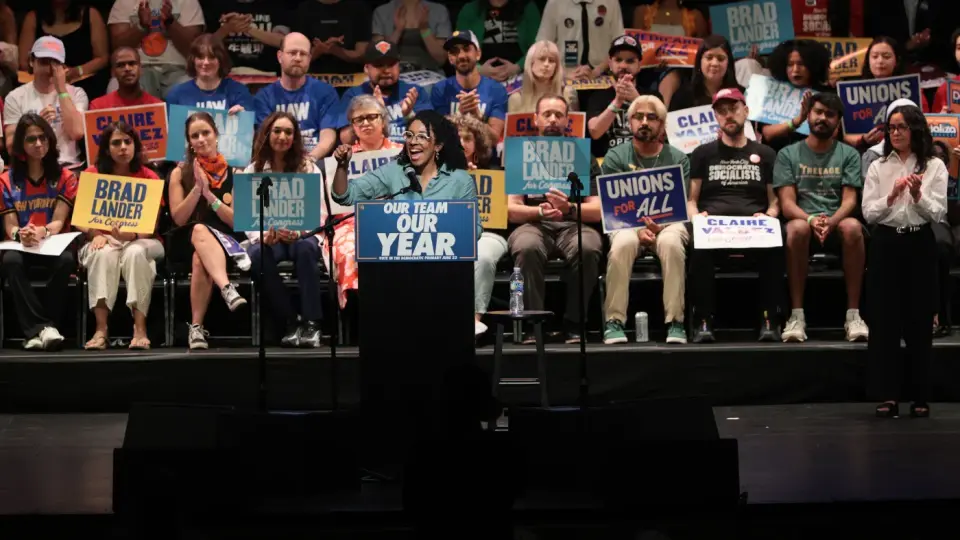
At least five candidates endorsed by the Democratic Socialists of America (DSA) have won House races in the 2026 midterms, tripling the organization's presence in Congress. Winners include Darializa Avila Chevalier and Claire Valdez in New York, Melat Kiros in Colorado, Donavan McKinney in Michigan, and Chris Rabb in Pennsylvania. These victories followed primary upsets against establishment figures like Adriano Espaillat and Diana DeGette. The new bloc, which supports policies such as abolishing ICE and universal healthcare, has not committed to supporting Hakeem Jeffries for Speaker, potentially complicating the Democratic agenda if they regain the House majority.
Key points
- Five DSA-endorsed candidates won House seats in blue districts, increasing the group's congressional representation from two to at least seven members.
- Primary victories included upsets against long-time incumbents, such as Melat Kiros defeating 15-term Rep. Diana DeGette and Darializa Avila Chevalier defeating Adriano Espaillat.
- The incoming members have not pledged support for Hakeem Jeffries' bid for House Speaker, demanding commitments on progressive issues like Medicare for All.
- Campaigns emphasized economic populism, including universal childcare and healthcare, while taking stances against ICE and U.S. military aid to Israel.
- Republicans utilized the DSA's platform to portray the broader Democratic Party as extreme, while some Democrats expressed anxiety over the left-wing shift.
Background
The 2026 midterms follow a period of growing influence for the DSA, highlighted by the 2025 election of Zohran Mamdani as New York City mayor. Earlier coverage noted that incoming DSA lawmakers were prioritizing pragmatic legislative tactics over symbolic actions, such as impeachment, while maintaining non-committal stances on party leadership. The current results build on a trend where DSA-backed candidates won numerous primaries across various levels of government, a surge compared to the Tea Party movement of 2010. Polls from late 2025 and early 2026 indicated rising support for socialist policies among Democratic voters, with some polls showing a majority of Democrats holding a positive view of socialism.
How outlets are covering it
NPR frames the results as a historic expansion of the DSA's influence, emphasizing the potential for these members to push the Democratic Party leftward and complicate legislative agendas if Democrats win a thin majority. Fox News characterizes the incoming members as 'far-left socialists' and 'rebels' who may disrupt Democratic leadership, highlighting specific controversies such as Chevalier's past social media posts and Kiros's anti-Israel stance. New York Magazine focuses on the internal dynamics of the DSA bloc, with Claire Valdez describing the group as a 'reading group' that is building a new vision of solidarity, while also noting the tension with establishment figures like Jeffries. Le Monde frames the shift as a rediscovery of socialism by the American left, disillusioned by identity politics, and compares the DSA's rise to the Tea Party's impact on the Republican Party. The outlets differ in their tone, with Fox News emphasizing the threat to the status quo, while NPR and Le Monde focus on the structural changes and policy implications within the Democratic Party.
Why it matters
The expansion of the DSA bloc in the House could significantly influence the Democratic Party's legislative agenda, particularly if they regain control of the House with a narrow majority. The incoming members' refusal to commit to supporting Hakeem Jeffries for Speaker may force negotiations over progressive policy priorities, such as Medicare for All and universal childcare. This shift could also impact the party's relationship with its base, as the DSA's platform resonates with voters concerned about economic inequality and healthcare costs. Additionally, the bloc's stance on issues like ICE and foreign policy may create internal tensions within the Democratic Party, potentially affecting its ability to pass legislation and maintain unity.
What to watch
The new Congress will be seated in January 2027, where the DSA bloc's influence will be tested in the selection of the House Speaker and committee assignments. The incoming members are expected to push for progressive policies, including universal healthcare and childcare, while potentially challenging the leadership of Hakeem Jeffries. The Democratic Party's ability to pass legislation may depend on its capacity to accommodate the DSA's demands, which could complicate the party's agenda if they win a thin majority. Additionally, the bloc's stance on issues like ICE and foreign policy may create internal tensions within the Democratic Party, potentially affecting its ability to maintain unity and pass legislation.
- 5 DSA candidates are elected to the House in a historic night for their movement NPR
- Meet the far-left socialists coming to Congress next year Fox News
- Guess Who’s Coming to Washington New York Magazine
- Disillusioned by identity politics, the American left rediscovers socialism Le Monde.fr
- If Democrats Win, Thank the Left The Intercept
Want the full story? Read the original reporting
Read on NPR