The Cook Political Report moved 18 House races toward Democrats on October 9, projecting a Democratic majority of 224 to 234 seats. Key shifts include Iowa’s 1st and 3rd districts and Pennsylvania’s 1st and 12th, where Republican incumbents face steep polling deficits despite heavy GOP ad spending.
The Cook Political Report moved 18 House races toward Democrats on October 9, 2026, projecting a Democratic pickup of 9 to 19 seats. This shift, following a similar move in late September, suggests Republicans are likely to lose their House majority despite heavy ad spending and redistricting efforts.
The Republican Party is targeting not just retention but expansion of its House majority in the 2026 midterms, with Speaker Mike Johnson expressing high confidence in a strong performance. This ambition follows internal party divisions and strategic moves by President Trump to mobilize the base, including provocative rhetoric and promises of economic incentives for voting. The party faces a challenging legislative calendar and a highly charged political environment, but leadership remains optimistic about winning key seats to solidify control.
House Democrats have expanded their 'Red to Blue' target list to 46 districts, including six new deep-red seats, as they project a potential 240-seat majority in the 2026 midterms. While the DCCC cites polling advantages and cost-of-living issues to justify the aggressive strategy, Republicans counter that the party is chasing unrealistic goals despite a significant fundraising deficit.
The Fairshake super PAC network, funded by major cryptocurrency firms, is spending heavily in 32 House races to support pro-crypto candidates across both parties. The group has over $120 million in reserves and is also spending $30 million in the Ohio Senate race to block Sherrod Brown.
The Protect College Sports Act passed the Senate 77-22 but faces significant hurdles in the House due to recess, partisan disagreements, and opposition from the Congressional Black Caucus.
The nonpartisan Cook Political Report moved 15 House races toward Democrats on September 25, projecting a slim Democratic majority in November. Analysts expect Democrats to gain five to 15 seats, reaching 220 to 230 seats. Key shifts include Arizona’s 1st and New Jersey’s 7th moving to lean Democrat, while three races, including Rep. Monica De La Cruz’s district, became toss-ups. Democrats currently hold 215 seats and need only three net gains to control the chamber. The shift follows President Trump’s sub-40% approval rating and economic dissatisfaction, which are hurting Republican incumbents even in districts he won in 2024. Republicans argue they retain superior ground games and financial resources, while Democrats celebrate the momentum. The outcome remains uncertain but trends toward a Democratic takeover.
House Democrats are wrestling with a growing leadership-versus-members rift as centrists Rep. Marie Gluesenkamp Perez and Rep. Jared Golden defy leadership by backing GOP bills, including a Russia sanctions package, prompting backlash from progressives and questions about how Jeffries and Clark will maintain cohesion. The controversy, sparked by a contentious impeachment posture and committee-appointment disputes, signals potential volatility if Democrats expand the majority in the next Congress.
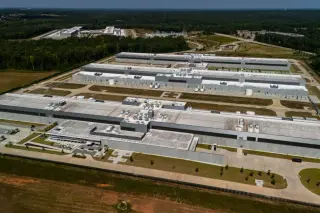
The House voted to advance a bill aimed at mitigating data centers’ impact on energy costs, with sponsor Rep. Gabe Evans arguing the U.S. must upgrade power systems to meet growing digital demand. Critics like Rep. Pallone say public concerns about higher electricity prices and strained water supplies are being ignored, a sentiment echoed by a new AP-NORC poll showing broad public worry about data-centers’ energy and water impacts and negative rhetoric around the issue.
The House passed the Lindsey O Graham Sanctioning Russia and Iran Act of 2026, granting Donald Trump authority to impose tariffs up to 100% on top purchasers of Russian energy and broadening sanctions on Russian officials and enablers, but Democratic Leader Hakeem Jeffries warned the bill has “so many loopholes” that could prevent sanctions or harm Americans, in a 262-159 vote on the eve of a midterm recess.
Speaker Mike Johnson sent the House home early, delaying a vote on Pete Hegseth’s impeachment as lawmakers prepare final votes on a Russia sanctions bill backed by Lindsey Graham.
House Republicans canceled their last day before an eight-week recess and delayed a vote to impeach Pentagon chief Pete Hegseth until after the midterm elections, with Speaker Mike Johnson saying the decision was to let members return home to campaign. Rep. Thomas Massie, who introduced the impeachment articles, also pursues an Epstein Files Transparency Act II, drawing GOP resistance. Democrats accuse the scheduling shift of dodging accountability, while some Republicans criticize the silence on key votes and the prolonged time off.
House leaders left Washington early for the midterm recess, postponing a vote to impeach Defense Secretary Pete Hegseth after Rep. Thomas Massie filed articles over Iran-related actions; Democrats argue the move is about optics, while leaders say the vote will happen after the election.
With November elections looming, House Speaker Mike Johnson recessed the chamber early, portraying a productive Republican-led Congress while Democrats argued the GOP should do more to lower costs and help voters. On the floor, Rep. Thomas Massie—a longtime critic who recently lost his Trump-backed primary—used the moment to attack Johnson and Defense Secretary Hegseth and rail against the so-called “uniparty,” even as Massie’s own political fate underscored the churn within the party ahead of the vote.
Seven House Republicans joined Democrats to pass a War Powers Resolution aimed at restraining the president’s authority to engage in Iran-related hostilities, in a 220-204 vote. Supporters argue Congress must declare war and note the 60-day window under the 1973 War Powers Resolution has lapsed; opponents contend the president needs flexibility to protect U.S. forces and national security.