
Florida’s Tight Gubernatorial Race Hinges on Vaccine, Voucher, and Home Rule Disputes
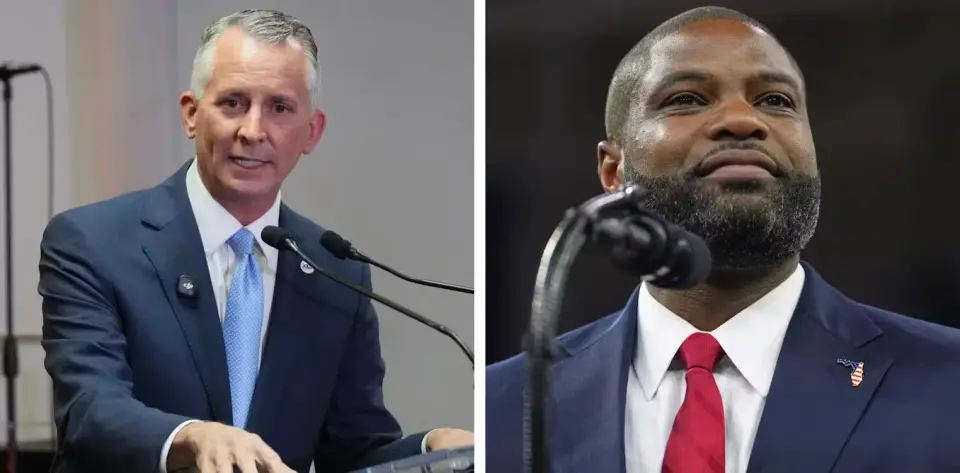
With the Nov. 3 Florida gubernatorial election approaching, polls show a statistical tie between Republican Byron Donalds and Democrat David Jolly despite Donalds’ massive fundraising advantage. The candidates sharply diverge on three key issues: vaccine mandates, universal school vouchers, and local home rule authority. Donalds supports expanding executive power and current conservative policies, while Jolly advocates for evidence-based health measures and stricter oversight of education spending.
Key points
- Donalds supports retaining Surgeon General Joseph Ladapo and reducing school vaccine mandates; Jolly vows to fire Ladapo and uphold current vaccination requirements.
- Both candidates support universal school vouchers, but Jolly wants stricter accountability and need-based eligibility, while Donalds proposes a scorecard system for private schools.
- Donalds aims to expand executive authority over local governments, including DOGE-style audits; Jolly opposes the removal of elected officials and supports local budget autonomy.
- The race is tight, with Donalds holding a 1.5 million voter registration advantage but facing enthusiasm gaps and Democratic strength in the Panhandle and Broward County.
- Data centers and property tax amendments are secondary but contentious issues, with Donalds favoring local control and Jolly calling for a statewide construction moratorium.
Background
The Florida governor’s office has grown significantly more powerful under recent administrations, particularly under Ron DeSantis, who expanded executive authority over local governments and education. The 2023 introduction of universal school vouchers and the 2021 appointment of vaccine-skeptic Joseph Ladapo as surgeon general exemplify this shift. If elected, Donalds would become Florida’s first Black governor and the first Black Republican governor in the U.S., a milestone he is actively campaigning on despite skepticism from some minority voters.
How outlets are covering it
The Conversation provides a detailed policy analysis, highlighting structural constraints from the Republican-controlled legislature that limit both candidates’ ability to change vaccine and voucher policies. Politico and the Tallahassee Democrat emphasize the tightness of the race, noting Donalds’ structural advantages in funding and voter registration against Jolly’s stronger performance in Democratic strongholds like Tallahassee and Broward. The Pensacola News Journal focuses on voter enthusiasm, reporting that Jolly drew larger, more energetic crowds in the Panhandle, suggesting potential Democratic turnout despite Republican dominance. All sources agree the race is competitive, but they differ on whether Donalds’ financial and registration advantages will outweigh Jolly’s enthusiasm and policy critiques.
Why it matters
The outcome will determine the direction of Florida’s health, education, and local governance policies for the next four years. The governor’s power to appoint the surgeon general and education board members gives significant influence over vaccine mandates and school voucher oversight. Additionally, the race serves as an early test of Democratic performance in 2028, with national implications for the party’s strategy in conservative-leaning states.
What to watch
Voters will cast ballots on Nov. 3, with early voting already underway. The results will determine whether Donalds can consolidate Republican control or if Jolly can break the GOP’s three-decade hold on the governor’s office. The outcome will also influence the trajectory of Florida’s education and health policies, particularly regarding vaccine mandates and school voucher accountability.
- 3 major issues that Republican Byron Donalds or Democrat David Jolly will need to address as Florida’s next governor The Conversation
- Florida gubernatorial hopefuls seek to expand the campaigning map Politico
- 'Florida is red': In blue Tallahassee, Byron Donalds seeks votes Tallahassee Democrat
- If crowd size matters in dueling Pensacola rallies, Jolly outshines Donalds Pensacola News Journal
- Final St. Pete Polls: Byron Donalds leads David Jolly 48% to 46%, as long as Republicans show up Florida Politics
Want the full story? Read the original reporting
Read on The Conversation