
Google CEO Sundar Pichai reportedly rejects Trump's request to rename the Atlantic Ocean
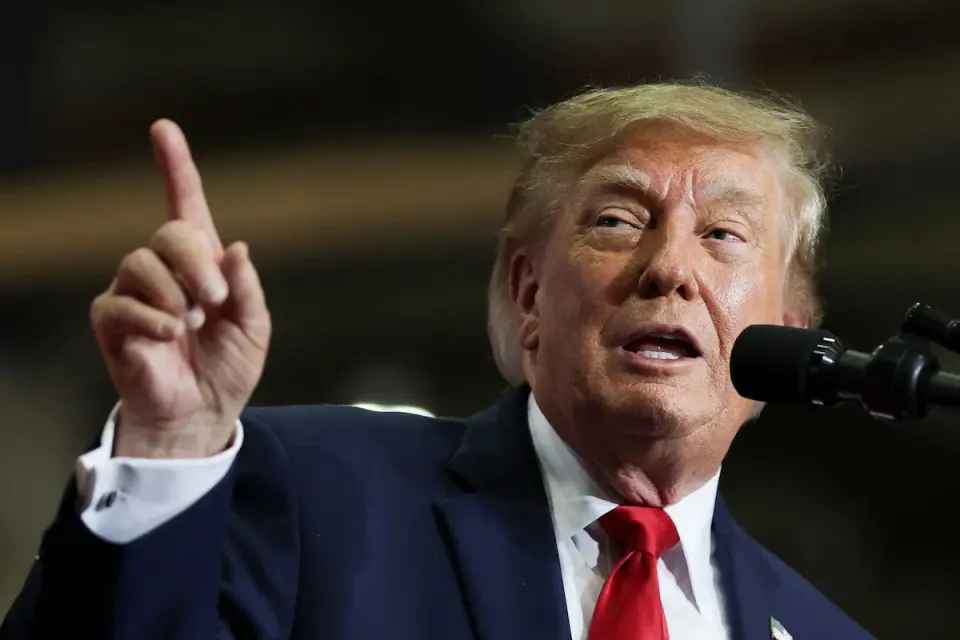
President Donald Trump announced at a South Carolina rally that he would likely abandon his plan to rename the Atlantic Ocean after Google CEO Sundar Pichai refused to implement the change on Google Maps. Trump stated that Pichai told him oceans border multiple countries and should not be renamed, a stark contrast to previous successful changes for the Gulf of Mexico and Lake Ontario. While Google has not confirmed the call, the incident highlights the limits of executive power over global geographic nomenclature.
Key points
- Trump stated he called Google CEO Sundar Pichai to discuss renaming the Atlantic Ocean.
- Pichai reportedly refused, citing the international nature of oceans and the involvement of multiple countries.
- Trump said he would 'probably pass' on the idea after the refusal.
- Google has not confirmed the call took place or responded to requests for comment.
- The proposal follows previous successful renamings of the Gulf of Mexico and Lake Ontario in US federal records and maps.
Background
This incident follows a series of geographic rebranding efforts by the Trump administration. In late 2026, the Gulf of Mexico was renamed the Gulf of America and Lake Ontario was renamed Lake America. These changes were implemented in US federal records and subsequently reflected in Google Maps for US users, though international users often saw the original names or dual labels. The Atlantic Ocean proposal was first floated by Trump in early October 2026, where he suggested names like 'Trump Ocean' or 'Ocean of the Americas.'
How outlets are covering it
The Washington Post and Business Insider report that Trump explicitly stated he would likely abandon the renaming effort after Pichai's refusal. The Times of India highlights the contrast between the successful domestic renamings and the failed attempt to change a global body of water. All sources note that Google has not confirmed the call, leaving the exact nature of the interaction unverified. Critics, as noted in background context, have previously mocked the administration's focus on geographic labels over other policy issues, but the current focus is on the technical and diplomatic limits of such changes.
Why it matters
The incident underscores the boundaries of executive authority over global geographic nomenclature. While the US government can change names in domestic records and influence private map providers for US users, it cannot unilaterally rename international bodies of water without broader diplomatic consensus. This refusal by a major tech company highlights the tension between political directives and global standards in digital infrastructure.
What to watch
Trump has indicated he may consider renaming the Pacific Ocean instead, though he has not confirmed any further action. Google is expected to continue following US federal geographic names for US users, but the Atlantic Ocean name remains unchanged. The administration may face further scrutiny over its geographic rebranding efforts, particularly regarding international relations and the practical implications for global navigation and mapping.
- Trump says he called Google’s CEO to discuss renaming Atlantic Ocean The Washington Post
- Trump says Google's CEO rejected his plan to change the Atlantic's name to the 'Trump Ocean' Business Insider
- Trump Asked Google To Rename Atlantic Ocean ‘Trump Ocean’ Newsweek
- Trump says Google now kisses 'his a--,' thanks to the power he holds in his second term as president Yahoo Finance
- After Google renames 'Lake Ontario' to 'Lake America' in the US; CEO Sundar Pichai says no to US government's request on changing name of Atlantic Ocean; tells: No, no, no, this time I'm not doing it as … The Times of India
Want the full story? Read the original reporting
Read on The Washington Post