
GOP fractures over Trump’s role in historic 2026 midterm defeat
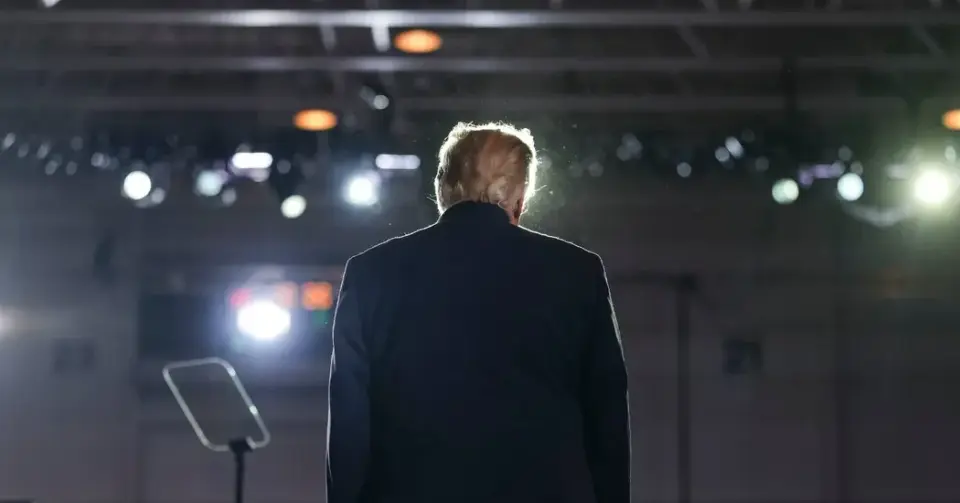
Democrats won 56% of the popular vote in the 2026 midterms, ending decades of Republican dominance in key states. Republicans are divided on whether to blame President Trump or pivot, while Trump deflects responsibility by blaming the media and his own party’s candidates. New leadership appointments signal a confrontational approach, drawing criticism from those urging a policy-focused rebuild.
Key points
- Democrats achieved a 56% popular vote margin, described by The New York Times as unparalleled in the modern era, and ended Republican streaks in Texas, Kansas, Mississippi, and South Carolina.
- A clear divide exists within the GOP: some leaders blame Trump’s policies, while others are resigned to his continued influence, noting his voters remain essential for 2028.
- Trump told 60 Minutes that he was not on the ballot and that voters transferred their support to candidates they disliked, though he admitted the Iran war and gas prices were unpopular.
- Trump appointed Stephen Miller as chief of staff and Jim Jordan as House Minority Leader, both viewed by critics as aggressive figures who may hinder party rebuilding.
- Political experts warn that Trump’s strategy of blaming opponents and allies may energize his base but alienate independent voters who demand accountability for issues like the November 13 FAA outage.
Background
Prior to the November 3 election, Republican leadership privately conceded the House majority was likely lost due to poor national polling and economic dissatisfaction. In October, party strategists shifted focus to limiting losses, citing Trump’s low approval ratings as a primary factor undermining candidates. Following the defeat, figures like Mike Pence and Lauren Boebert have publicly criticized Trump’s policies, including tariffs and the Iran conflict, as reasons for the party’s collapse, while the White House has responded with attacks on internal critics.
How outlets are covering it
The New York Times highlights a generational flogging and a lack of consensus on how to regain power, emphasizing the public fury that rivaled the post-Watergate backlash. Politico focuses on the inevitability of Trump’s role in 2028, noting that while some want to move on, others are resigned to his dominance. The Independent analyzes Trump’s deflection tactics, arguing that while blaming the media and allies may work for core supporters, it risks alienating independents who want solutions to tangible problems like gas prices and infrastructure failures. USA Today criticizes the appointment of Miller and Jordan, arguing that a confrontational approach ignores the voters’ message and that the party needs a mature, policy-focused rebuild rather than a fight against a lame-duck president.
Why it matters
The 2026 midterms mark a potential shift in the American political landscape, with Democrats gaining control of Congress and ending long-standing Republican dominance in several states. The internal GOP conflict over whether to distance themselves from Trump or embrace his base could determine the party’s viability in the 2028 presidential election. Furthermore, the administration’s continued deflection of blame for economic and infrastructure issues may erode public trust and influence future electoral outcomes.
What to watch
Republicans will likely continue to debate their strategy in the coming months, with some factions pushing for a return to traditional conservative principles and others maintaining loyalty to Trump. The new congressional leadership, led by Jim Jordan, will face the challenge of rebuilding the party’s brand while navigating a Democratic-controlled Congress. Trump’s ability to maintain support among his base while managing public perception of his administration’s failures will be a key factor in the 2028 election cycle.
- Republicans Debate Why They Lost This Year, and Whether It Rhymes With Trump The New York Times
- ‘Grandfather’ or ‘godfather’? Republicans know they’re stuck with Trump Politico
- Trump’s newest defense is rejecting any responsibility — can the strategy pay off? The Independent
- Republicans just gave Democrats, and voters, the middle finger | Opinion USA Today
- Republicans chose Trump. They're not victims | Opinion Detroit Free Press
Want the full story? Read the original reporting
Read on The New York Times